
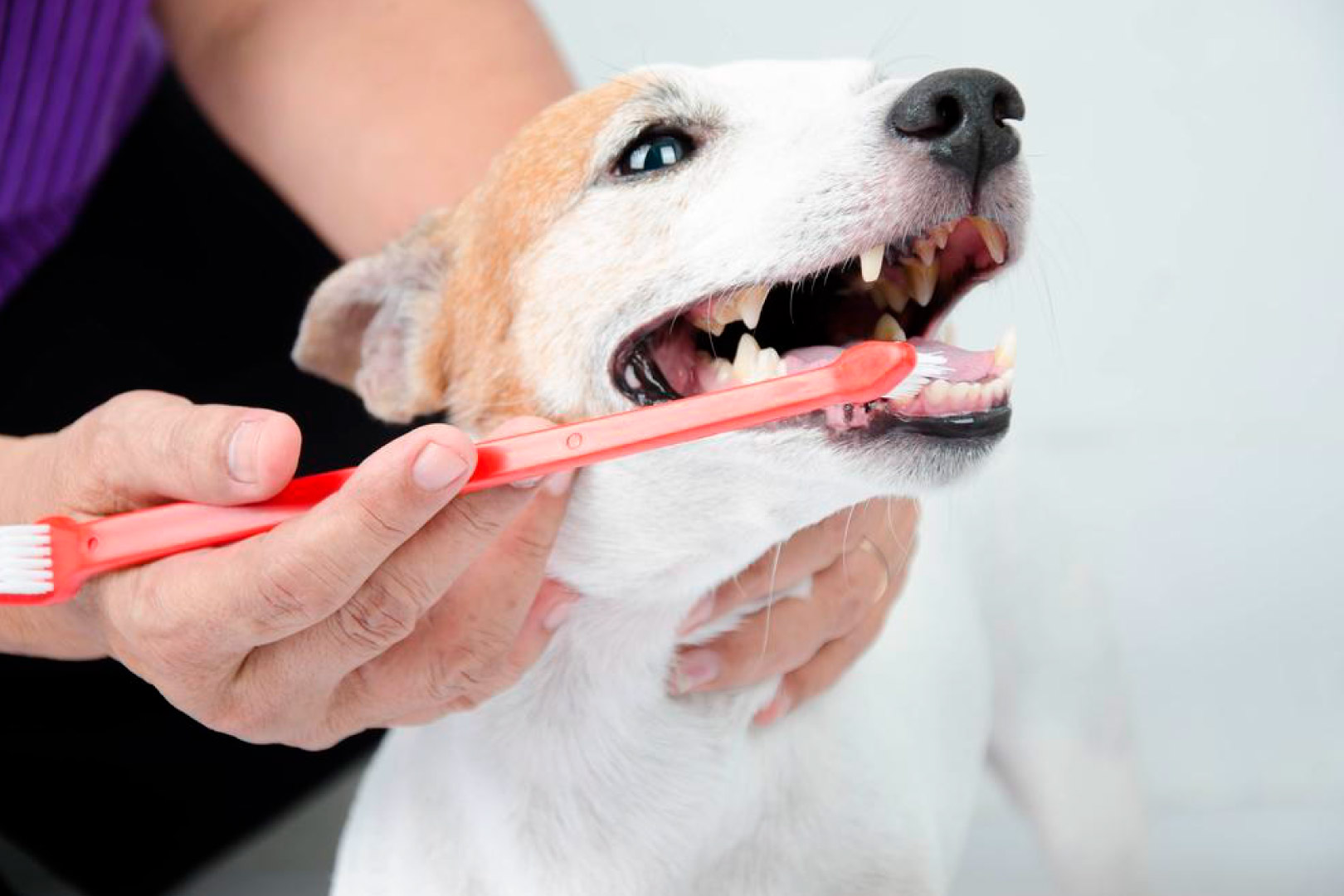
Below, learn why dental care is so important and how you can easily protect your dog’s dental health.
Tartar and Gum Disease – The Silent Enemies
Dogs can begin to develop periodontal disease as early as age three. It starts with plaque buildup, which hardens into tartar. If not removed, tartar can lead to gingivitis (gum inflammation), and eventually periodontitis, which may cause tooth loss and systemic infections that spread throughout the body.
Some common signs of dental problems include:
- Bad breath
- Red or bleeding gums
- Difficulty chewing food
- Receding gums or loose teeth
- Loss of appetite or changes in behavior
- Why Regular Dental Care Is So Important
A healthy mouth means a healthy body. Harmful bacteria from the mouth can enter the bloodstream and cause serious problems with internal organs. Regular tooth brushing and oral care help to:
- Prevent tartar buildup and gum disease
- Reduce the risk of systemic infections
- Extend your dog’s life and improve their well-being
- Save money on costly veterinary procedures
How to Maintain Your Dog’s Dental Hygiene
Brushing at home – Ideally, you should brush your dog’s teeth daily or at least a few times per week. Always use dog-specific toothbrushes and toothpaste (never human toothpaste!).
Dental treats and chews – Specially designed treats can help reduce plaque and freshen breath.
Chew toys for dental cleaning – Rubber or nylon toys that massage the gums and mechanically remove plaque can also be effective.
Regular vet check-ups – An annual dental exam is recommended, along with professional cleaning under anesthesia when needed.
If you’re unsure where to start, talk to your veterinarian for personalized dental care advice.