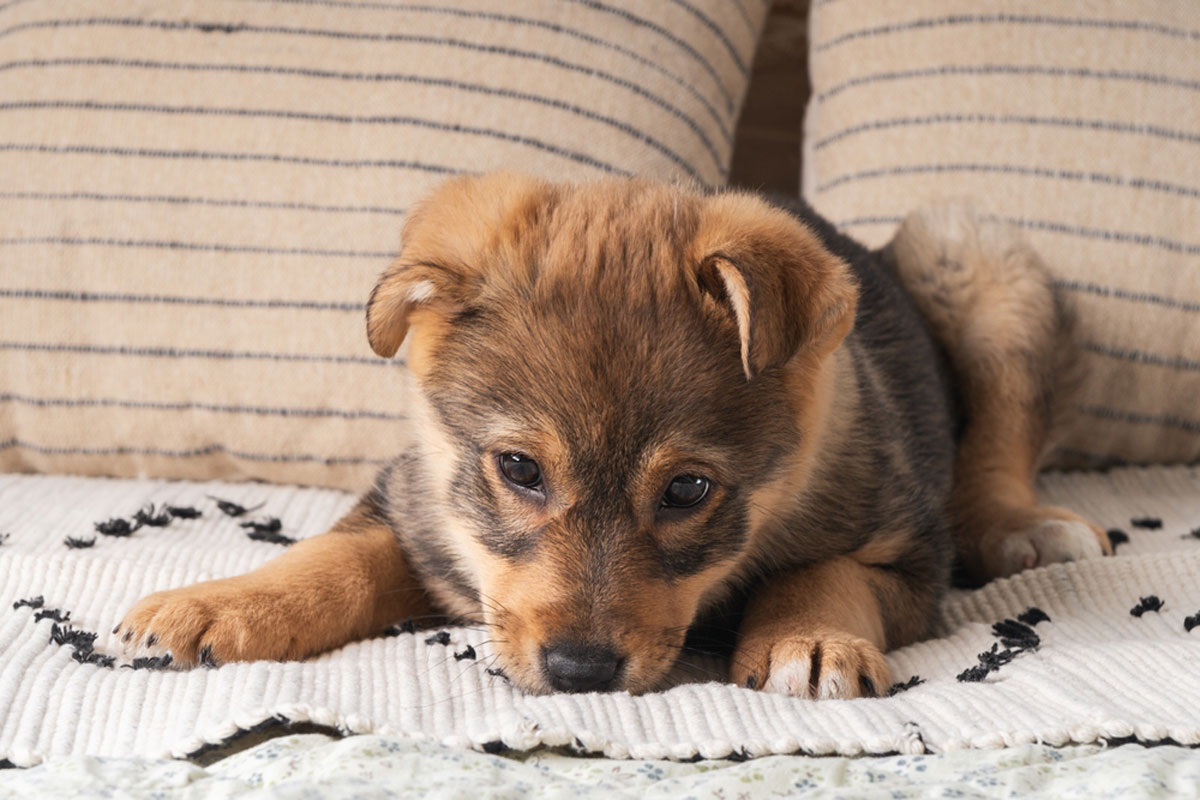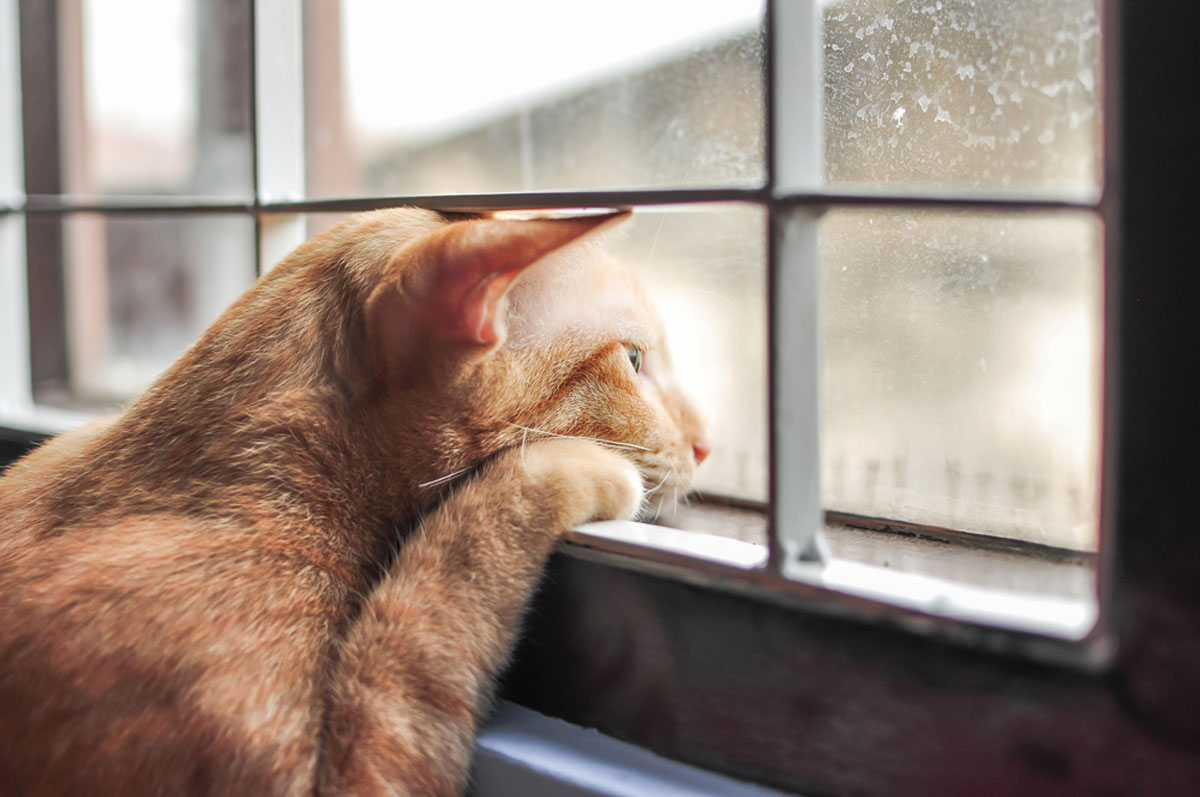
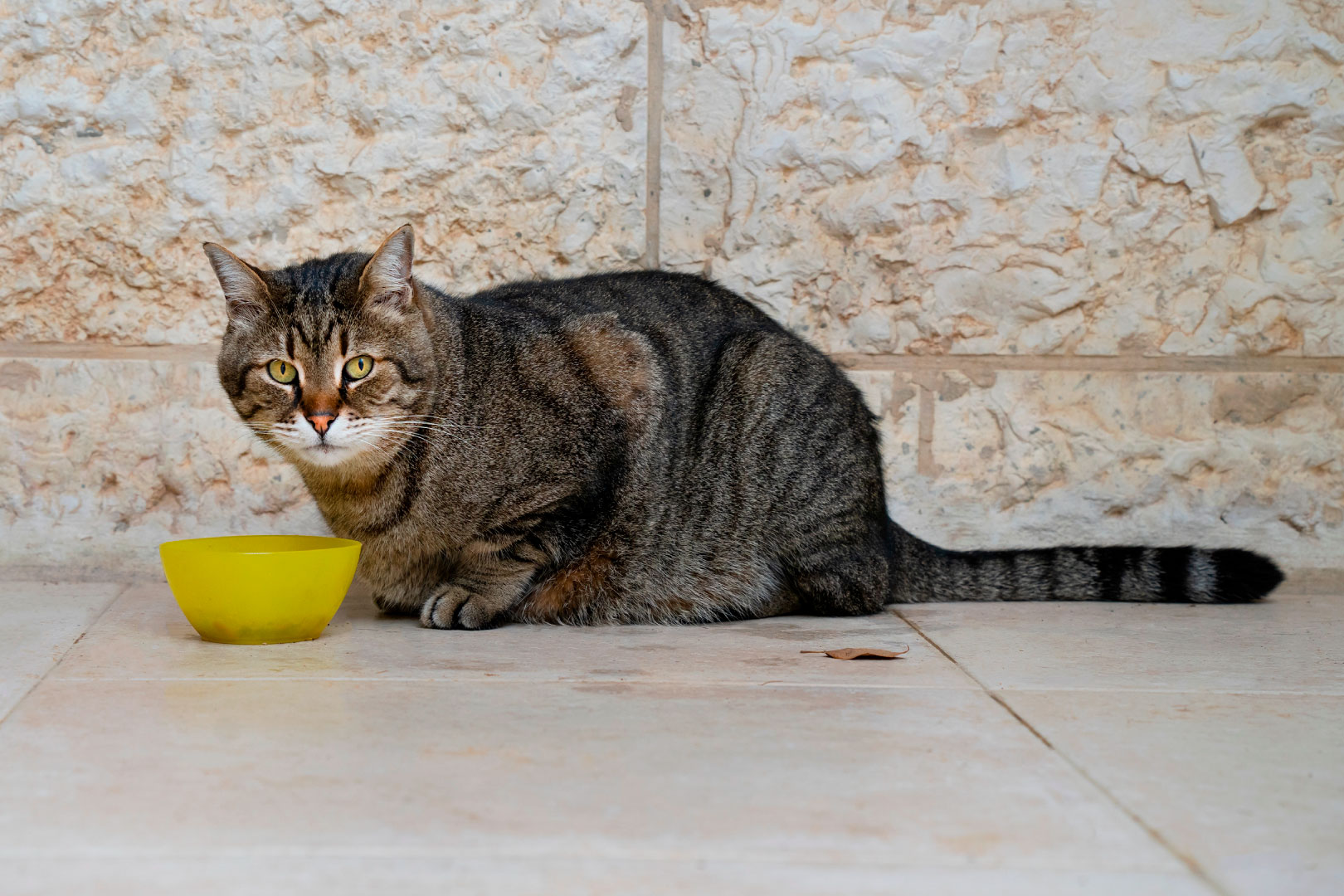
But obesity in dogs and cats is far more common than many realize, and it can seriously affect their health: from diabetes and arthritis to a shorter lifespan. That’s why it’s important to pause from time to time and honestly evaluate how your pet looks and feels.
One of the simplest ways to do this is to check whether you can feel their ribs. If you can only find them by applying noticeable pressure, there’s a good chance your pet is carrying extra weight. You might also notice that their waistline is barely visible, or that they tire more quickly, play less, and spend more time resting than before. Veterinarians use the Body Condition Score for this, but with a bit of attention, you can observe a lot on your own.
Why does weight gain happen in the first place? Most often for very simple reasons: we feed more than we think, our pets don’t move enough, treats accumulate throughout the day, and nutritional needs change after neutering or spaying. Sometimes hormones or aging play a role, but household habits are usually the main factor.
The good news is that small changes can make a big difference. Start by measuring meals instead of filling the bowl „by feel“. Choose food that fits your pet’s age and energy level. Treats don’t have to disappear completely, but it’s wise to cut back and select healthier options. And of course – movement. For dogs, that means longer walks or more active playtime, while cats benefit from climbing towers, interactive toys, and daily „hunting sessions“.
It’s important to help your pet lose weight gradually. Sudden dieting isn’t good for humans, and it can be even more dangerous for pets – especially cats. Regular check-ups with your veterinarian will help ensure everything is on the right track.
In the end, remember that a healthy weight isn’t just about appearance. It’s an investment in your pet’s wellbeing, mobility, and longevity. With a little attention and consistency, you can help them live a happier, more active, and lighter life – both literally and figuratively.