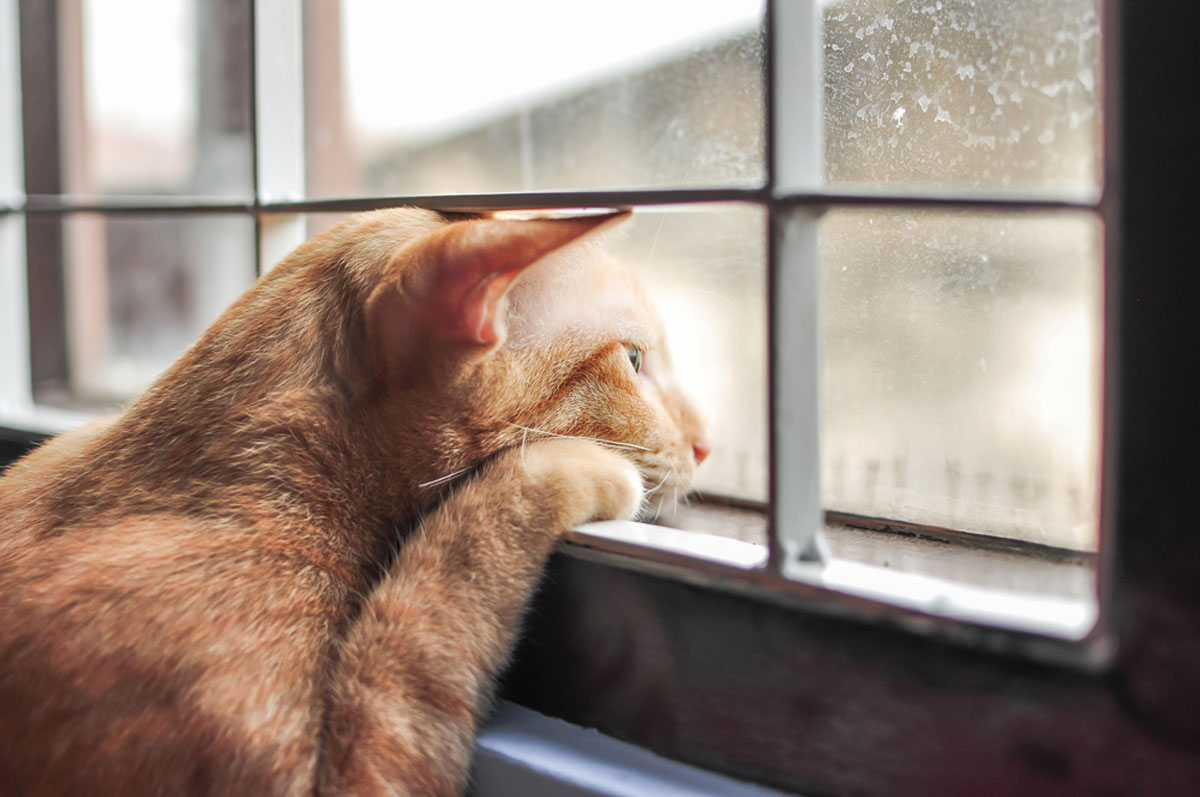
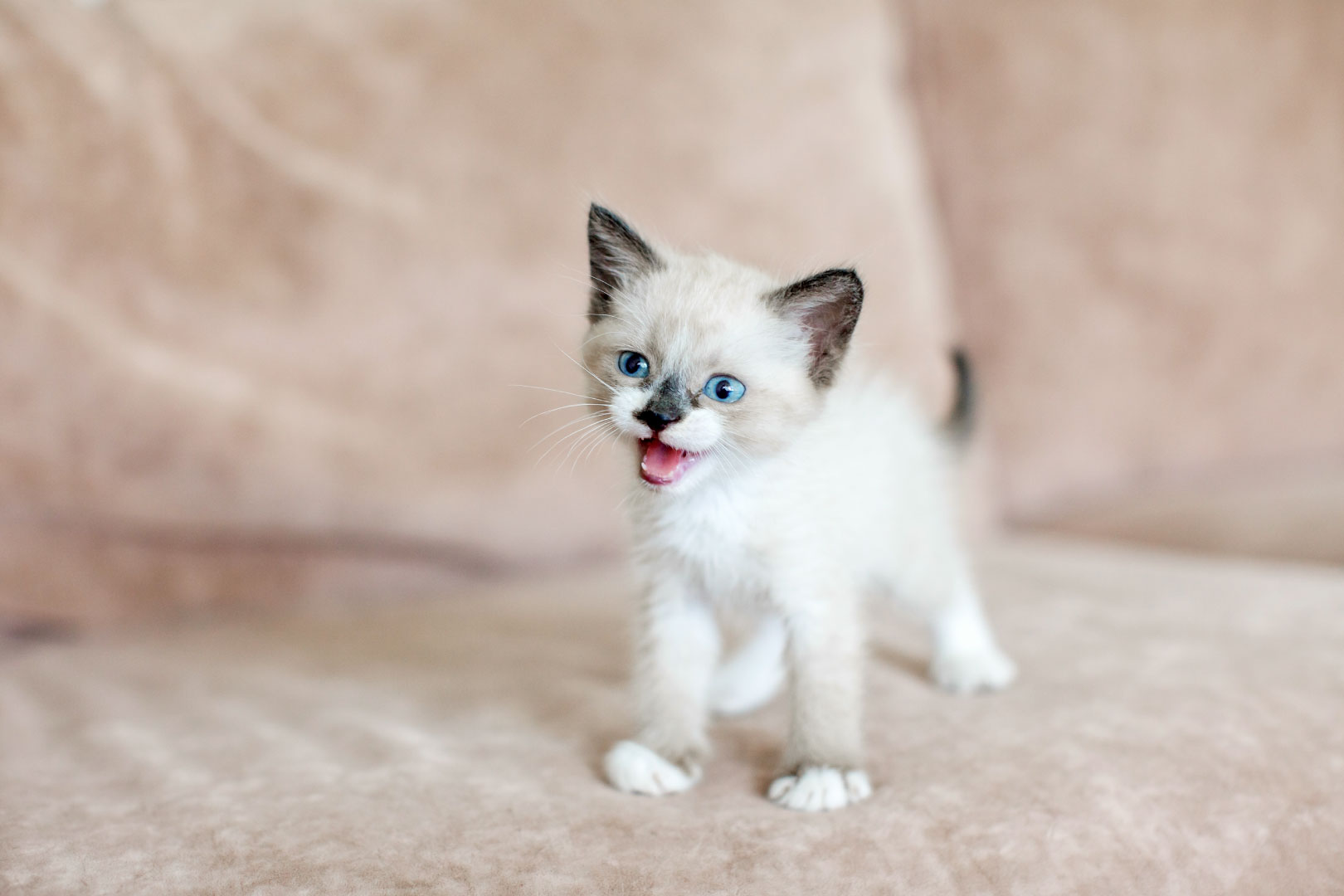
Cats meow for a variety of reasons, ranging from wanting attention to communicating discomfort. While a quiet cat suddenly becoming vocal or, conversely, an always-chatty cat suddenly becoming silent could indicate a trip to the vet, most excessive meowing is just a way for your cat to talk to you.
In this article, we’ll explore why your cat might be meowing excessively and how to understand the signals they are sending. From medical issues to attention-seeking behaviors, we’ll break it all down.
1. Why Do Cats Meow Excessively?
Cats meow for many reasons, and understanding the cause is key to addressing the behavior. Some cats are naturally more vocal than others, while others may start vocalizing more due to a change in their environment or health.
Common causes of excessive meowing include:
- Attention-seeking: Cats are social animals and may meow to get your attention, whether it’s for petting, playtime, or simply for companionship.
- Hunger: If your cat is asking for food, meowing can be their way of reminding you it’s mealtime.
- Discomfort or pain: If your cat suddenly starts meowing excessively, they might be in discomfort or pain. It’s important to observe their body language and look for signs of distress.
- Health issues: In some cases, excessive meowing could be a symptom of underlying health issues such as hyperthyroidism, kidney disease, or hearing loss.
Pro Tip: If your usually quiet cat starts meowing persistently or if an otherwise vocal cat suddenly becomes silent, it may be time for a vet visit to rule out medical concerns.
READ: Understanding Your Cat’s Meows and Purrs
2. The “Nighttime Howling” Phenomenon
One particular behavior seen in some cats, especially older ones, is nighttime howling. While the exact reason for this behavior is not entirely understood, it is often seen in senior cats suffering from cognitive dysfunction (similar to dementia in humans) or those experiencing diminished vision or hearing.
Other medical issues that could cause excessive meowing at night include:
- Hyperesthesia: A condition where cats become hypersensitive to touch or stimuli.
- Neurological disorders: Certain diseases affecting the nervous system can lead to unusual vocalization.
- Hyperthyroidism or tumors: Both of these conditions can cause changes in behavior, including excessive meowing.
If your cat’s vocalization is accompanied by erratic behavior, such as running around with its fur standing on end, consult your vet for further diagnosis.
3. Begging for Food or Treats
If your cat knows where the food is and is constantly meowing to get your attention, they might just be begging for food. While it’s okay to occasionally give your cat a treat, be mindful of their overall caloric intake.
How to manage begging behavior:
- Controlled portions: Make sure your cat’s food portions are appropriate for their size and dietary needs.
- Low-calorie treats: If your cat is overweight, opt for low-calorie treats and avoid overfeeding.
- Multiple small meals: Cats do better with multiple small meals throughout the day rather than one large meal, so try feeding them in several portions.
4. Pawing at You or Following You Around
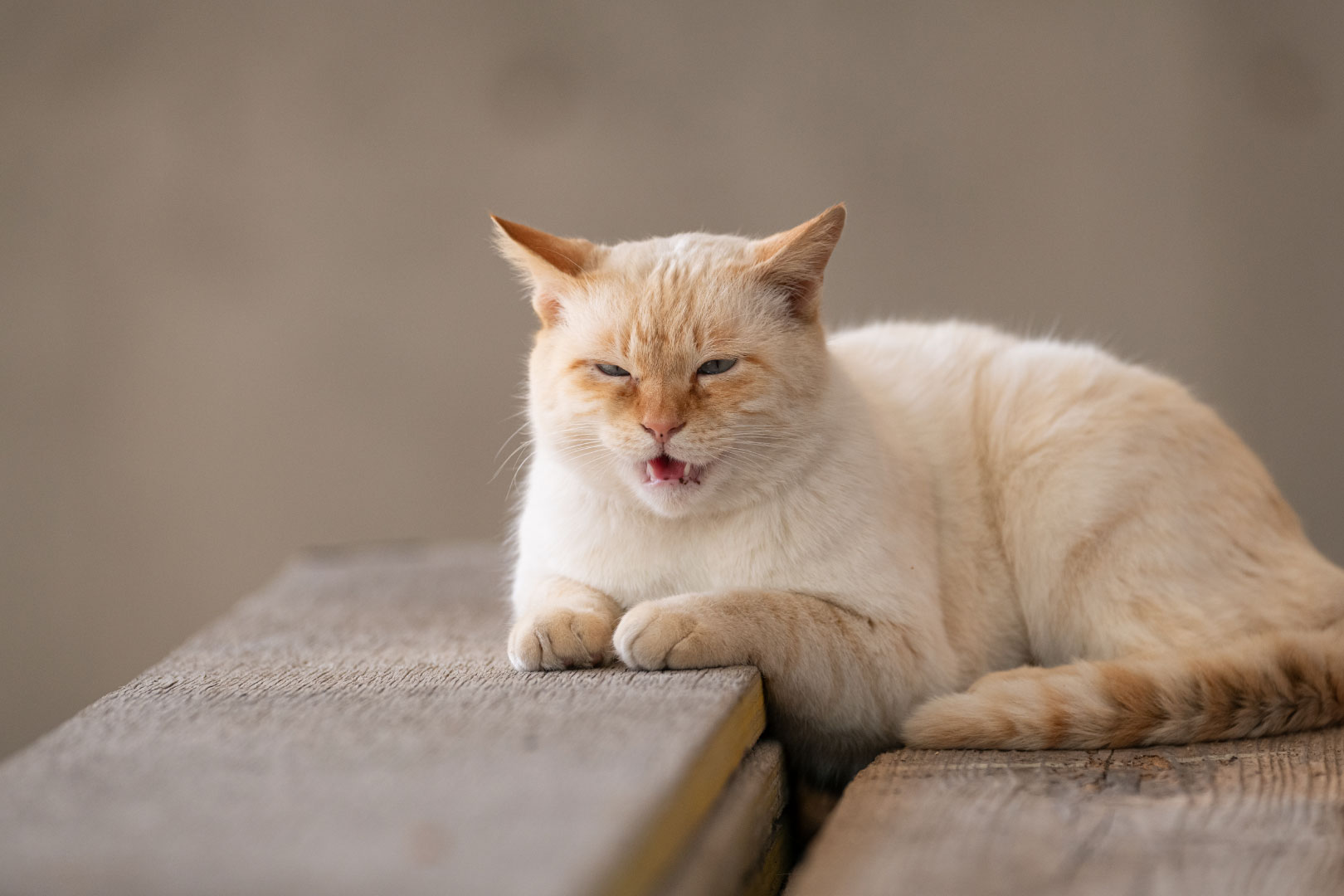
Some cats are more clingy than others and may paw at you or follow you around to get your attention. This behavior is more common in cats that need extra affection and social interaction.
How to address pawing behavior:
- Give them attention: If your cat is seeking attention, try to spend more time with them through petting, playing, or cuddling.
- Interactive playtime: Dedicate specific time in the day for interactive play sessions, using toys that encourage your cat to engage with you.
- Routine: Cats love routine. If they know that playtime or cuddling will happen at certain times, they are less likely to demand attention all day.
5. Pica: Eating Non-Food Items
Pica is a condition where cats eat non-food items, such as plastic, fabric, or hair. This behavior can sometimes be linked to a desire for attention, but it can also be a sign of anxiety or a medical issue. Cats that chew on wool or plastic may be doing so to relieve stress.
How to manage pica:
- Offer toys and distractions: Provide your cat with plenty of interactive toys and things to do.
- Check their diet: Cats with pica may have a mineral deficiency, so make sure their food is nutritionally balanced.
- Prevent access: Keep plastic bags, rubber bands, and other dangerous items out of your cat’s reach.
READ: Why Do Cats Love Being on Top of Wardrobes?
6. Scratching in Inappropriate Places
While scratching is a natural behavior for cats, some cats may insist on scratching places like furniture or carpets, even if they have access to legitimate scratching posts.
How to redirect scratching:
- Provide variety: Offer a range of scratching posts made from different materials, such as cardboard, sisal, or carpet, so your cat can find the one they like best.
- Use positive reinforcement: Reward your cat with treats or affection when they use the designated scratching post.
- Attract with catnip: Sprinkle a little catnip on the scratching posts to encourage your cat to use them.
7. Stress and Anxiety: A Major Factor in Excessive Meowing
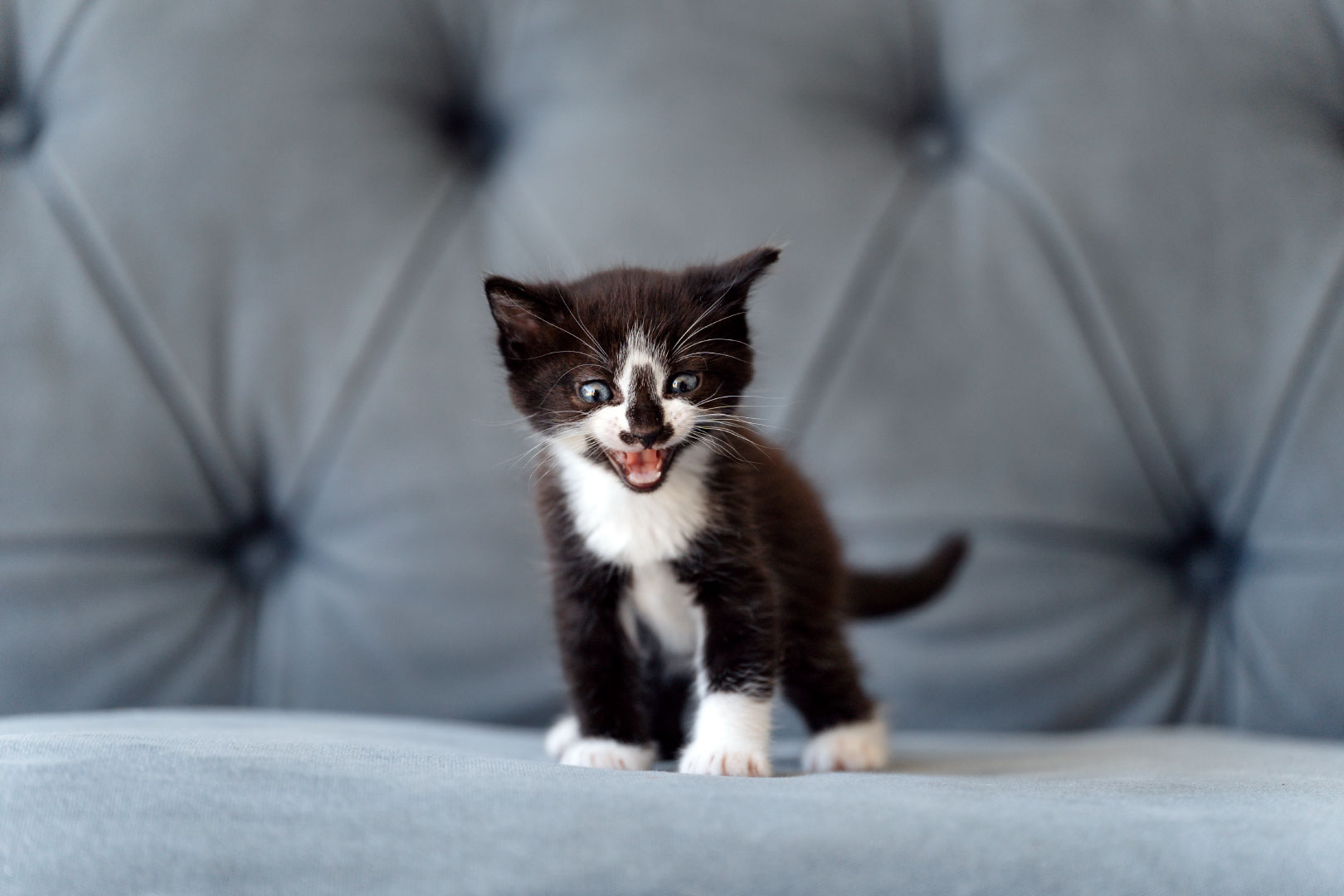
Many attention-seeking behaviors in cats can stem from stress or anxiety, especially if there have been recent changes in the home. Moving to a new home, a new pet, a baby, or a change in your work schedule can all contribute to a cat feeling unsettled.
How to reduce stress and anxiety:
- Create a calm environment: Provide your cat with a quiet, comfortable space where they can retreat when they feel stressed.
- Enrichment: Provide lots of toys, climbing spaces, and scratching posts to keep your cat mentally and physically stimulated.
- Routine: Cats feel secure with a regular routine. Try to keep feeding times, playtime, and quiet time consistent.
Understanding Your Cat’s Vocalizations
Excessive meowing can be a sign of a range of behaviors, from a simple desire for attention to a potential medical issue. By observing your cat’s behavior closely and understanding the underlying causes, you can address their vocalizations effectively.
If your cat’s meowing persists or is accompanied by other signs of distress, it’s always best to consult with a veterinarian to rule out any medical concerns. By understanding and responding to your cat’s needs, you can ensure they remain happy, healthy, and content.
Want more expert tips on cat behavior and care?
Join thousands of satisfied pet owners who trust our expert advice and training programs. With our Premium Package, you’ll get access to:
Expert video tutorials on cat care and behavior.
24/7 support from professional trainers.
Exclusive discounts on cat products and accessories.
Invest in your cat’s happiness today!