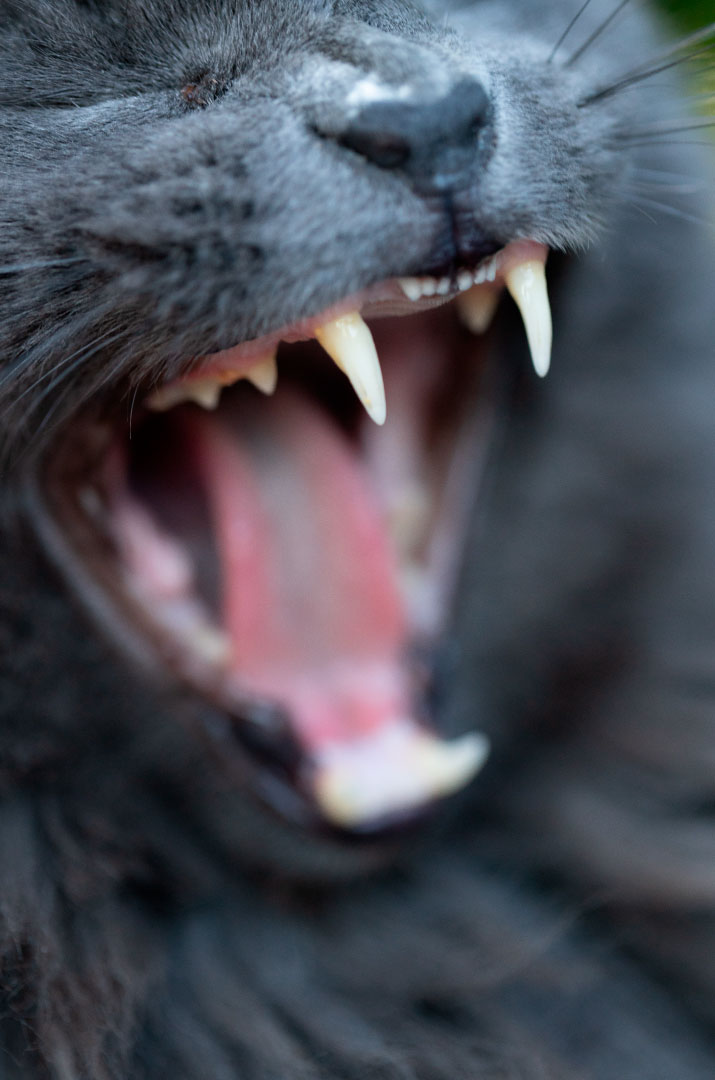
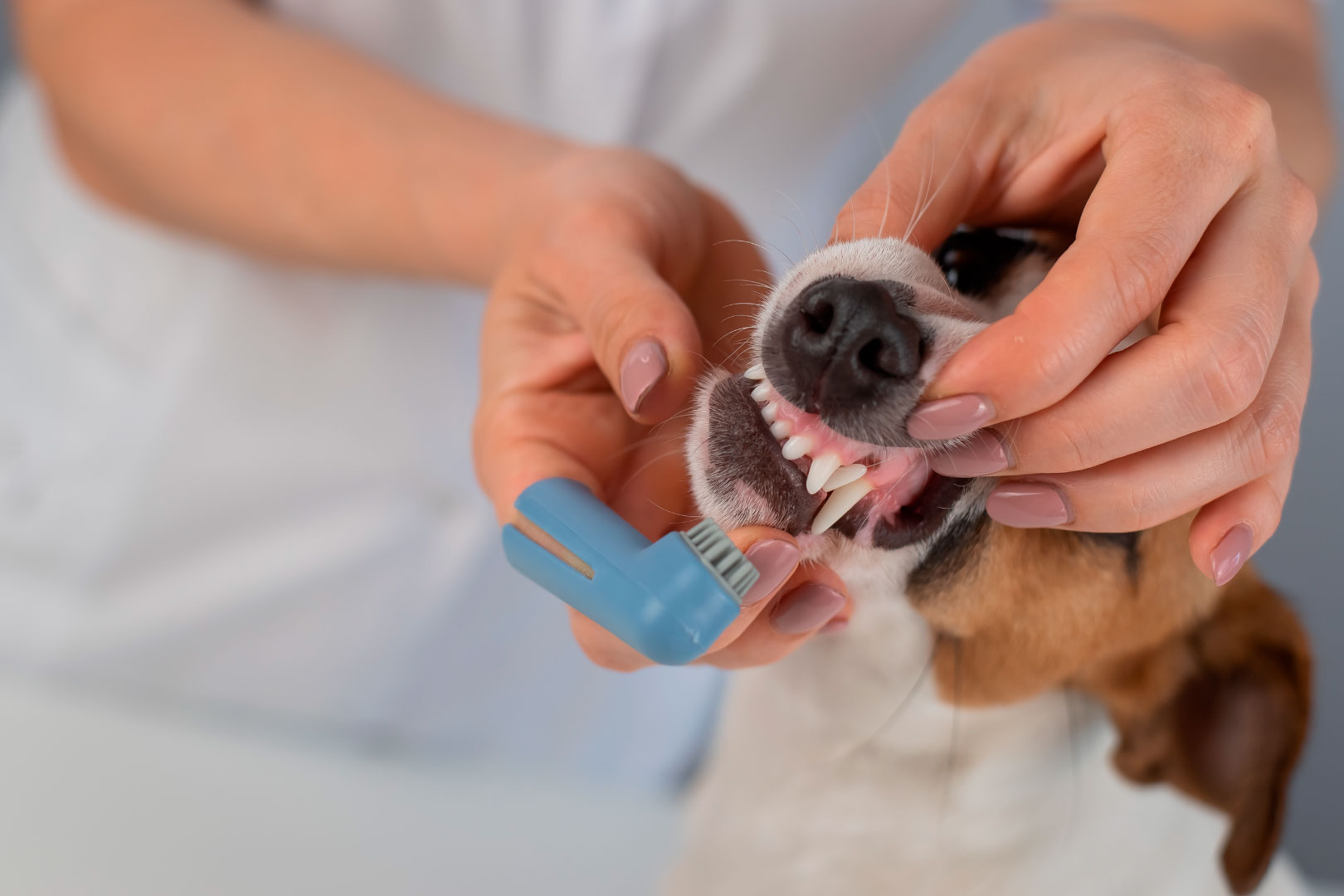
You lean in for a cuddle, your dog gives you an enthusiastic kiss — and suddenly you are reminded that “dog breath” is very real. Or your cat yawns beside you and you notice a smell that definitely was not there before. It is tempting to laugh it off. After all, pets do not brush their teeth twice a day, drink mint tea, or worry about fresh breath before getting close to us.
But persistent bad breath is not something we should automatically accept as normal.
In fact, it can be one of the earliest signs that something is happening inside your pet’s mouth. Dental disease develops gradually, often without obvious symptoms, which means owners may not notice a problem until their dog or cat is already uncomfortable.
So if your pet’s breath suddenly makes you turn your head away, their mouth may deserve a closer look.
“Dog Breath” Is Not Necessarily Normal
There is a difference between the ordinary smell of your pet’s mouth and breath that is consistently strong, unpleasant, or noticeably different from usual.
Dental plaque begins as a film of bacteria on the teeth. If it is not removed, plaque can contribute to tartar buildup and inflammation around the gums. As the problem progresses below the gumline, it can damage the tissues and bone that support the teeth.
Bad breath may be one of the first signs.
AAHA lists halitosis, yellow or brown tartar, and red or swollen gums among the early warning signs of dental disease in pets.
For cats in particular, Cornell University’s College of Veterinary Medicine notes that healthy breath should not be strongly offensive and that periodontal disease is the most common cause of persistent bad breath.
Pro Tip: Do not wait until your pet stops eating before checking their mouth. Dental problems can be present long before appetite changes become obvious.
📖 READ: Superfoods From Your Kitchen: Which „Human Foods“ Are Safe (and Healthy) for Pets?
The Biggest Problem May Be Where You Cannot See It
Opening your pet’s mouth and looking at the visible teeth can be useful, but it only tells part of the story.
A significant portion of every tooth sits below the gumline. That means a tooth can look relatively normal from the outside while disease is developing underneath.
Dental X-rays can reveal problems that would otherwise remain hidden. AAHA cites research showing that dental radiographs found diseased teeth in 27.8% of dogs and 41.7% of cats whose teeth appeared normal during the initial visual examination.
This is one reason veterinary dental care involves more than simply removing visible tartar.
Your veterinarian is also looking for inflammation, periodontal pockets, damaged roots, loose teeth, fractures and other changes that may be causing pain even when your pet seems perfectly normal at home.
Pets Are Very Good at Hiding Dental Pain
One of the reasons dental health is so easy to overlook is simple: dogs and cats cannot tell us that a tooth hurts. And many will continue eating even when their mouth is uncomfortable.
A pet may simply chew on one side, eat more slowly, choose softer pieces of food or quietly change the way they use their mouth. Unless you know what to look for, those small adjustments are easy to miss.
Watch for changes such as:
- bad breath that persists or becomes stronger
- red, swollen or bleeding gums
- yellow or brown buildup on the teeth
- excessive drooling
- dropping food while eating
- chewing on only one side
- reluctance to eat hard food or treats
- pawing at the mouth
- loose or broken teeth
- swelling around the face or jaw
- becoming less interested in food
Dental discomfort can also show up in less obvious ways. A pet that becomes quieter, more irritable or less interested in play may simply be uncomfortable.
That is why knowing your pet’s normal habits matters.
📖 READ: Body Language of Dogs and Cats: What Are Your Pets Actually Telling You?
Cats Deserve Special Attention Too
Dogs tend to get most of the attention when people talk about pet dental care, perhaps because their enthusiasm for close-up greetings makes bad breath difficult to ignore.
Cats can be much more subtle. A cat with dental pain may continue eating but approach food differently. You may notice them dropping kibble, turning their head while chewing, preferring softer food or becoming less enthusiastic about meals.
Cats can also develop conditions that are particularly painful, including **tooth resorption**, in which the structure of the tooth begins to break down.
So a cat that suddenly becomes “picky” about food may not simply be changing its mind about dinner.
Pro Tip: If your cat’s eating habits change suddenly, especially alongside drooling, bad breath or pawing at the mouth, schedule a veterinary examination rather than assuming they have become fussy.
Start Dental Care Before There Is a Problem
Dental care is much easier when it becomes part of normal life rather than something introduced only after disease develops.
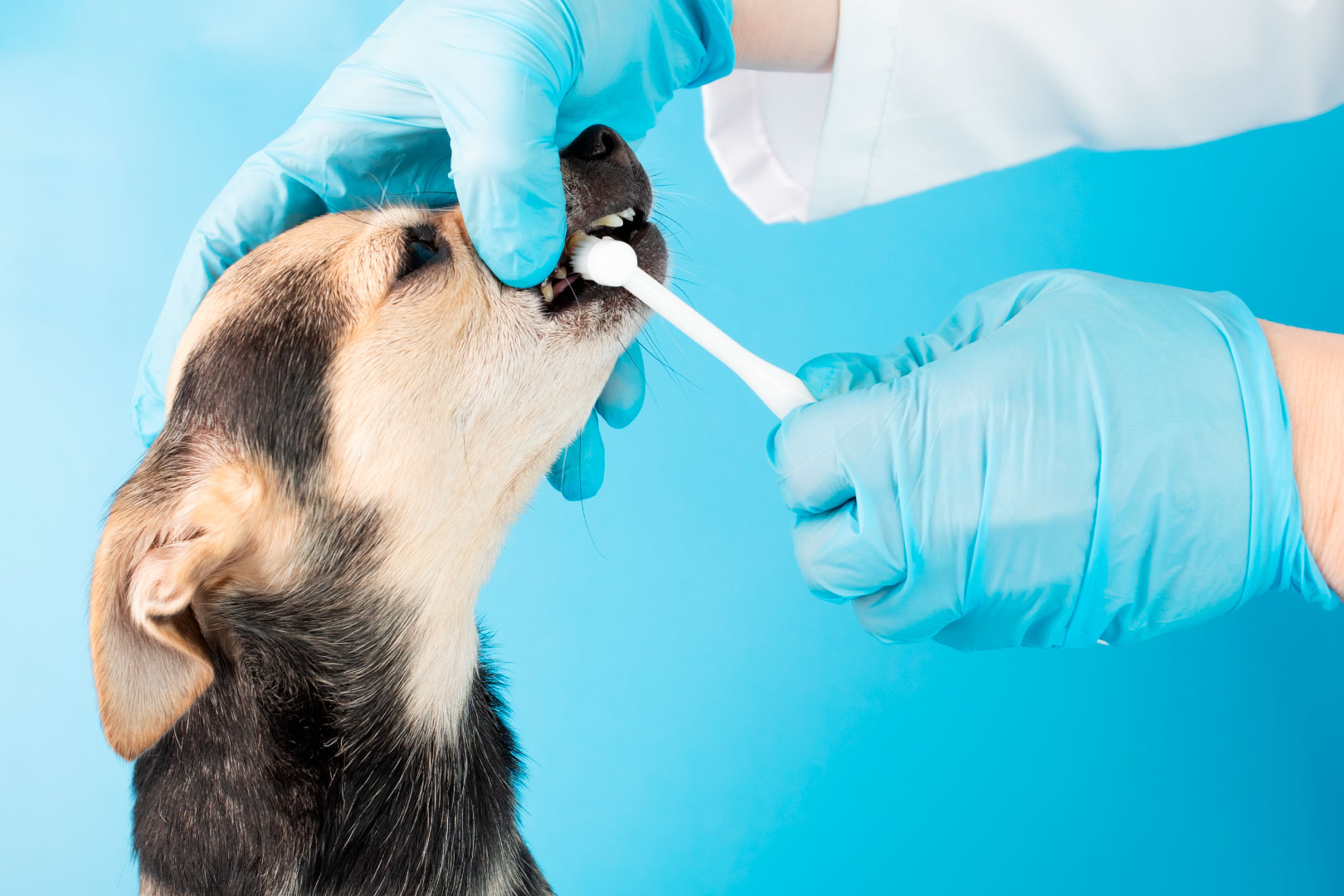
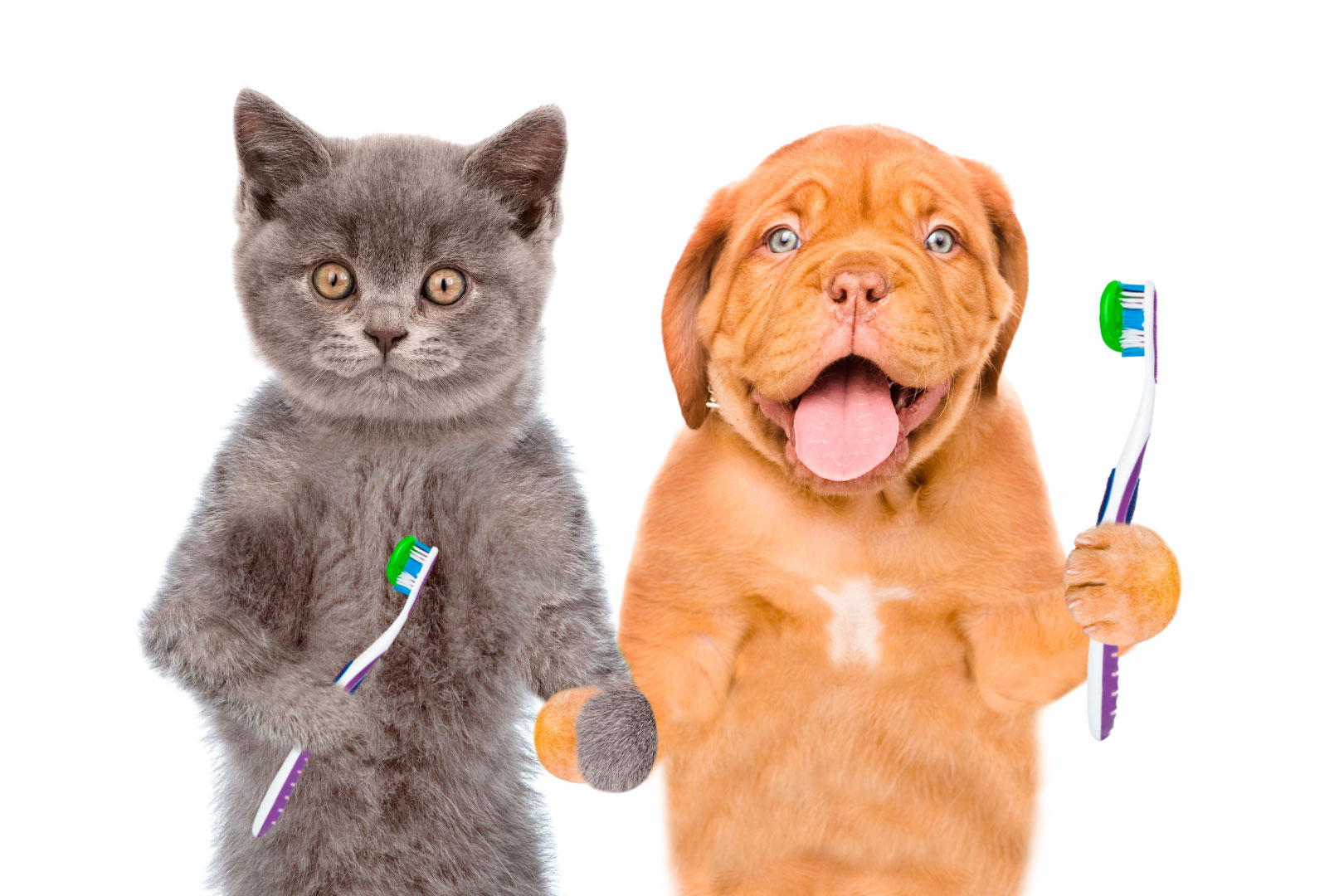
For many pets, daily tooth brushing is the most effective form of home dental care because it helps remove plaque before it hardens.
The important word here is pet-specific.
Use a toothbrush designed for pets or a soft brush recommended by your veterinarian, together with toothpaste formulated specifically for dogs or cats.
Do not use human toothpaste.
And if your pet has never had their teeth brushed before, do not expect to complete a perfect two-minute brushing session on day one.
Start small. Let them become comfortable with you touching the muzzle. Lift the lip briefly. Introduce the toothbrush gradually. Reward calm behavior. A few seconds of positive practice can be more useful than turning tooth brushing into a wrestling match.
The goal is to make dental care ordinary.
What About Dental Chews, Diets and Water Additives?
Not every pet will happily accept a toothbrush.
Fortunately, there are other products that can support oral care, including certain dental diets, chews, water additives, gels and wipes.
But not every product marketed as “dental” has been shown to control plaque or tartar.
And one important distinction is worth remembering: brushing can help remove plaque, but once deposits have hardened into calculus or tartar, brushing alone cannot remove them.
Why Professional Dental Cleaning Is Different
A professional veterinary dental procedure is not simply a cosmetic polish to make teeth look whiter. The important work happens around and below the gumline.
A proper dental assessment may include examining each tooth, checking periodontal pockets and taking dental X-rays. If a tooth is severely damaged or infected, treatment or extraction may be necessary. This is also why veterinary organizations caution against so-called anesthesia-free dental cleaning.
Without anesthesia, it is not possible to safely perform a complete examination, obtain appropriate dental X-rays or thoroughly clean below the gumline while an animal is awake.
How often a pet needs professional dental care varies. Age, breed, mouth shape, genetics and existing dental health all matter, so your veterinarian is the right person to recommend an individual schedule.
Sometimes Bad Breath Has Nothing to Do With the Teeth
Dental disease is the most common explanation, but it is not the only one. Persistent or unusual breath can sometimes be associated with other health problems. In cats, for example, Cornell notes that bad breath may also occur with kidney disease, diabetes, respiratory or liver disease, oral trauma and other conditions.
That does not mean every unpleasant smell is a sign of serious illness. It does mean that a sudden or significant change deserves attention, especially if it appears together with other symptoms such as:
- loss of appetite
- weight loss
- vomiting
- excessive drinking or urination
- facial swelling
- bleeding from the mouth
- unusual tiredness
- difficulty eating
If something about your pet’s breath or behavior has changed, a veterinary check is safer than trying to cover up the smell.
Conclusion: Fresh Breath Is Nice — a Healthy Mouth Matters More
Your pet does not need minty-fresh breath.
But persistent bad breath should not simply become one of those things you accept as part of living with a dog or cat.
The mouth is easy to overlook because dental disease usually develops slowly. Your pet may still eat, play, sleep and greet you at the door while quietly adapting to discomfort.
A quick look at the gums, regular veterinary checks and a realistic home dental routine can make a meaningful difference.
The next time your dog comes in for a face-to-face greeting or your cat yawns inches from your nose, do not focus only on the smell.
Think of it as information. Because sometimes bad breath really is more than just bad breath.
Want more expert tips on pets behavior and care?
Join thousands of satisfied pet owners who trust our expert advice and training programs. With our Premium Package, you’ll get access to:
✅ Expert video tutorials on cat care and behavior.
✅ 24/7 support from professional trainers.
✅ Practical advice for keeping your cat active and healthy.
✅ Exclusive discounts on cat products and accessories.
Invest in your cat’s happiness today!