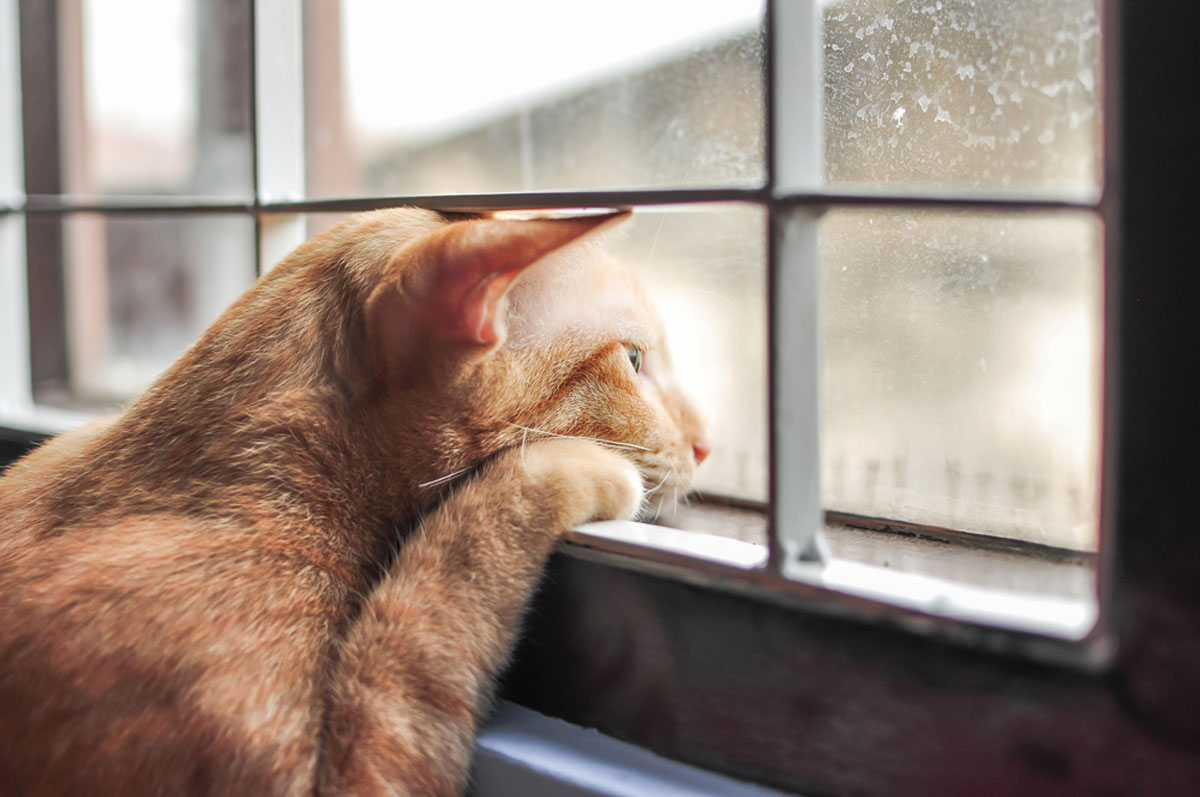
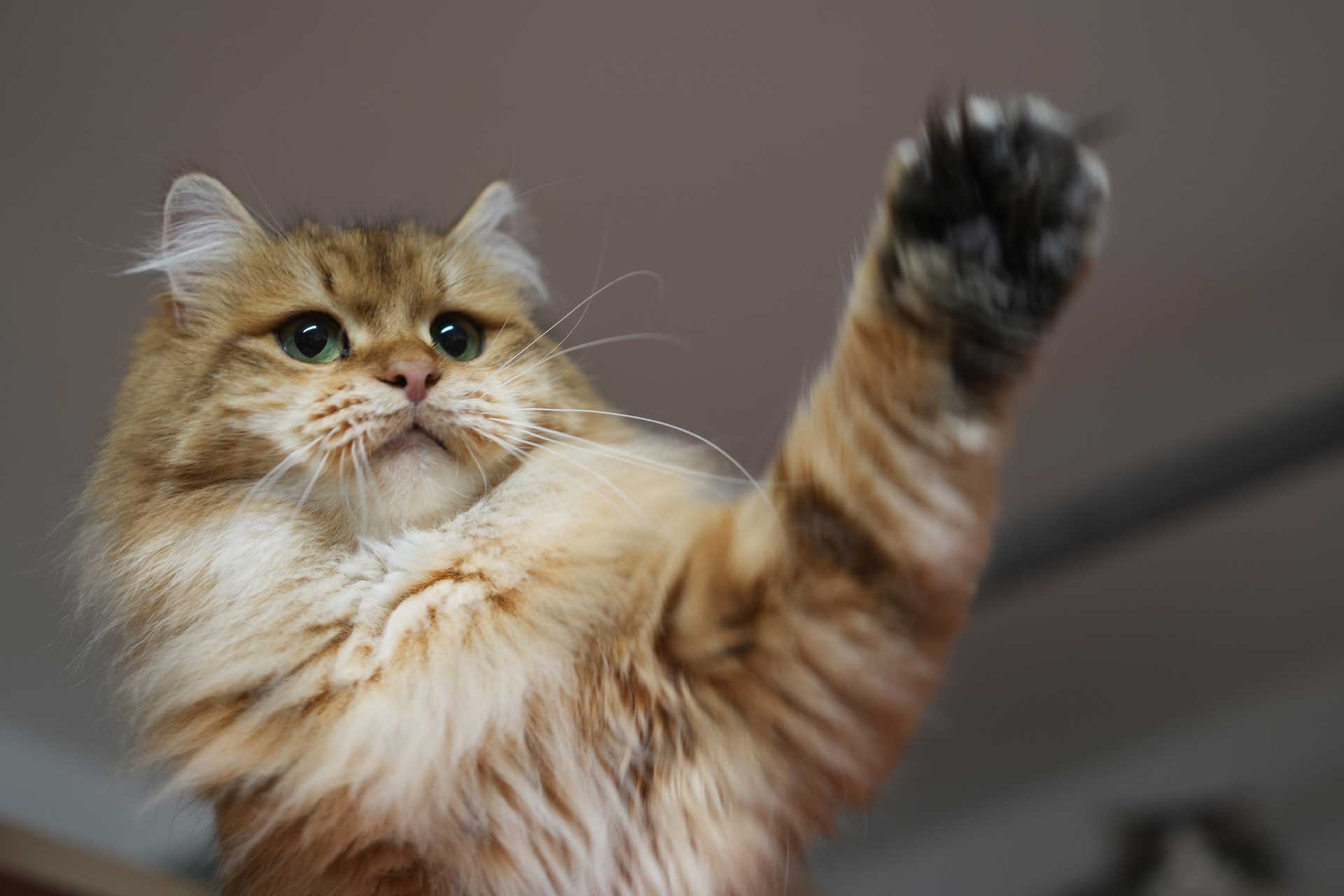
Cats are natural hunters, and even indoor cats still carry strong instincts to stalk, chase, pounce, and catch. Nighttime energy often appears when these instincts meet stored-up energy from a day spent sleeping.
In this guide, we’ll explain why cats get midnight zoomies, how this behavior is connected to hunting, and what you can do to help your cat release energy in a healthier way.
1.Why Do Cats Get Midnight Zoomies?
Cats are naturally more active in the evening and early morning. These are the times when their wild ancestors would usually hunt, so it is normal for cats to become more alert when the household starts to slow down.
Common reasons for midnight zoomies include
- Hunting instinct: Cats are built to chase, jump, stalk, and pounce, even when they live indoors
- Stored energy: If your cat sleeps most of the day, that energy may come out at night
- Boredom: Without enough play or stimulation, cats may create their own entertainment
- Routine: If your cat learns that running around gets attention, the behavior can become a habit
Pro Tip: If your cat gets zoomies every night, try adding an active play session before bedtime to help them release energy earlier.
READ: Why Cats Love to Pounce and Chase
2. The Hunting Instinct Behind Nighttime Energy
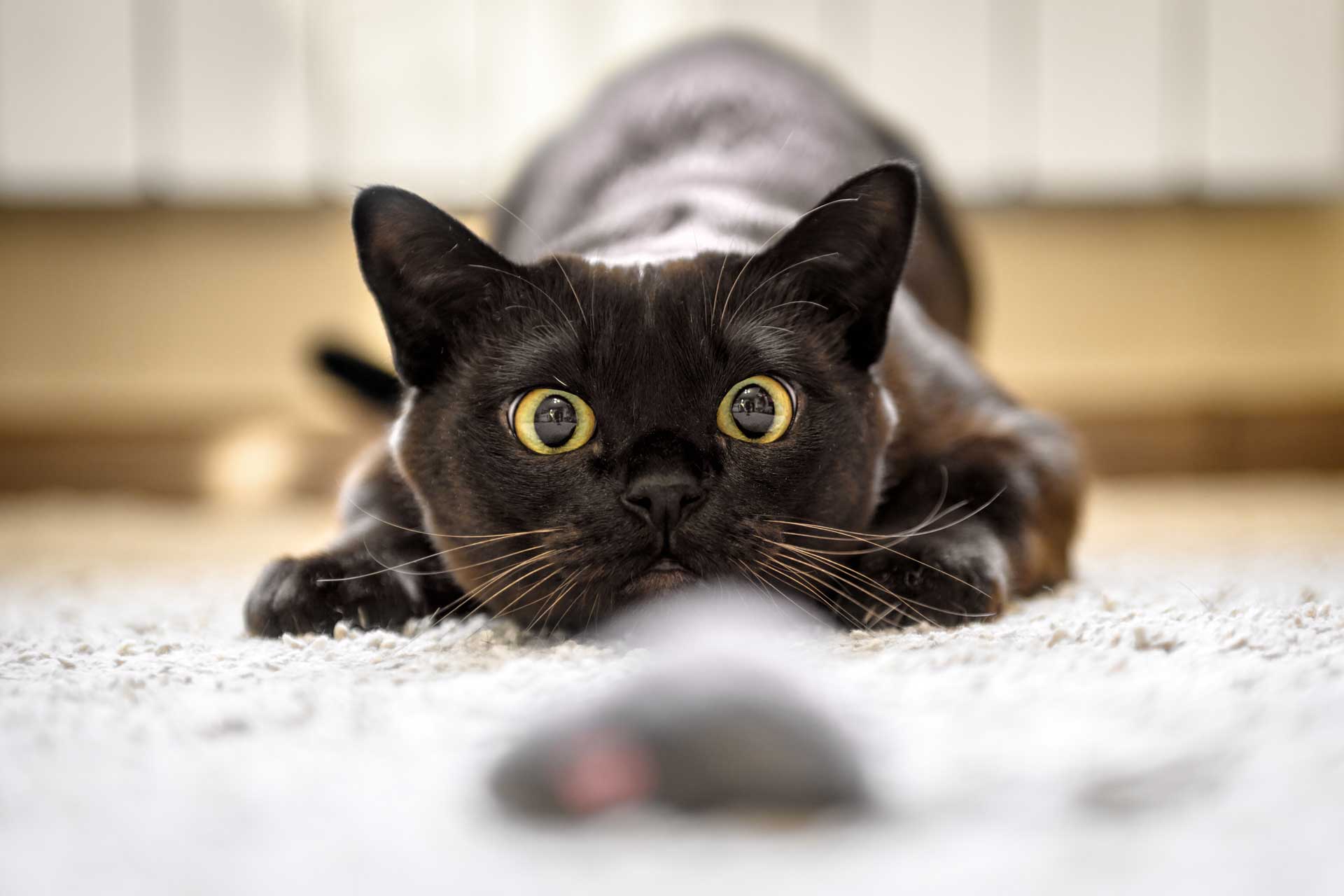
To your cat, a moving shadow, a toy mouse, or even your feet under the blanket can look like prey. Midnight zoomies often follow the same pattern as hunting: watching, chasing, pouncing, and then resting.
How to support healthy hunting behavior:
- Use toys that encourage chasing and jumping
- Let your cat “catch” the toy at the end of playtime
- Keep play sessions short but active
- Offer a small meal or treat after play to mimic the natural hunt-eat-sleep routine
3. How to Reduce Nighttime Zoomies
You may not be able to stop zoomies completely, but you can make them less intense and less disruptive. Indoor cats need daily physical and mental stimulation, especially if they spend many hours alone or sleeping.
How to reduce nighttime energy:
- Provide scratching posts and climbing spaces
- Rotate toys so they stay interesting
- Schedule playtime during the day and evening
- Use puzzle feeders to make mealtime more engaging
- Keep fragile items away from your cat’s favorite running routes
4. When Zoomies May Be a Warning Sign
Most midnight zoomies are harmless. However, sudden changes in behavior should not be ignored. If your cat becomes extremely restless at night, cries excessively, seems confused, loses weight, or shows changes in appetite, it may be time to speak with a veterinarian.
Nighttime activity can sometimes be linked to stress, pain, aging, or medical conditions, especially in senior cats.
Conclusion: Your Cat Is Not Crazy, Just Being a Cat
Midnight zoomies may look funny, dramatic, or even slightly wild, but they are usually one more way your cat expresses natural behavior. By understanding the hunting instinct behind these sudden bursts of energy, you can help your cat feel calmer, happier, and more satisfied.
Want more expert tips on cat behavior and care?
Join thousands of satisfied pet owners who trust our expert advice and training programs. With our Premium Package, you’ll get access to:
Expert video tutorials on cat care and behavior.
24/7 support from professional trainers.
Exclusive discounts on cat products and accessories.