
That’s why it’s up to us, their owners, to recognize the subtle signs that may indicate our dog is in pain. Here’s what you should watch for:
Changes in Behavior
If your dog suddenly becomes withdrawn, irritable, or avoids contact, it could be a sign that something’s wrong. Dogs that are usually cheerful and social may hide or seek quiet places when they’re in discomfort.
Loss of Appetite
One of the first signs of pain can be a decreased interest in food. If your dog starts skipping meals or eating less than usual, especially combined with other symptoms, it’s time to consult a vet.
Changes in Movement and Posture
Limping, stiff walking, reluctance to climb stairs, jump, or play — these can indicate pain in muscles, joints, or bones. Some dogs may move slowly, stop often, or sit down without clear reason.
Unusual Breathing
Rapid breathing, panting, or shallow sighs — especially while resting — may suggest internal pain. This is especially common with abdominal or chest discomfort.
Resting Position and Body Language
Dogs in pain often adopt unusual positions. Lying on one side with a tense abdomen, frequently changing positions, or struggling to get comfortable can all be signs of discomfort.
Vocal Clues
Whining, whimpering, growling without clear cause, or sighing sounds your dog didn’t make before — these may be attempts to express pain.
Excessive Licking of a Specific Area
If your dog keeps licking one paw, side, or another body part, there may be pain or discomfort in that spot. Sometimes it’s due to a wound you can’t see right away.
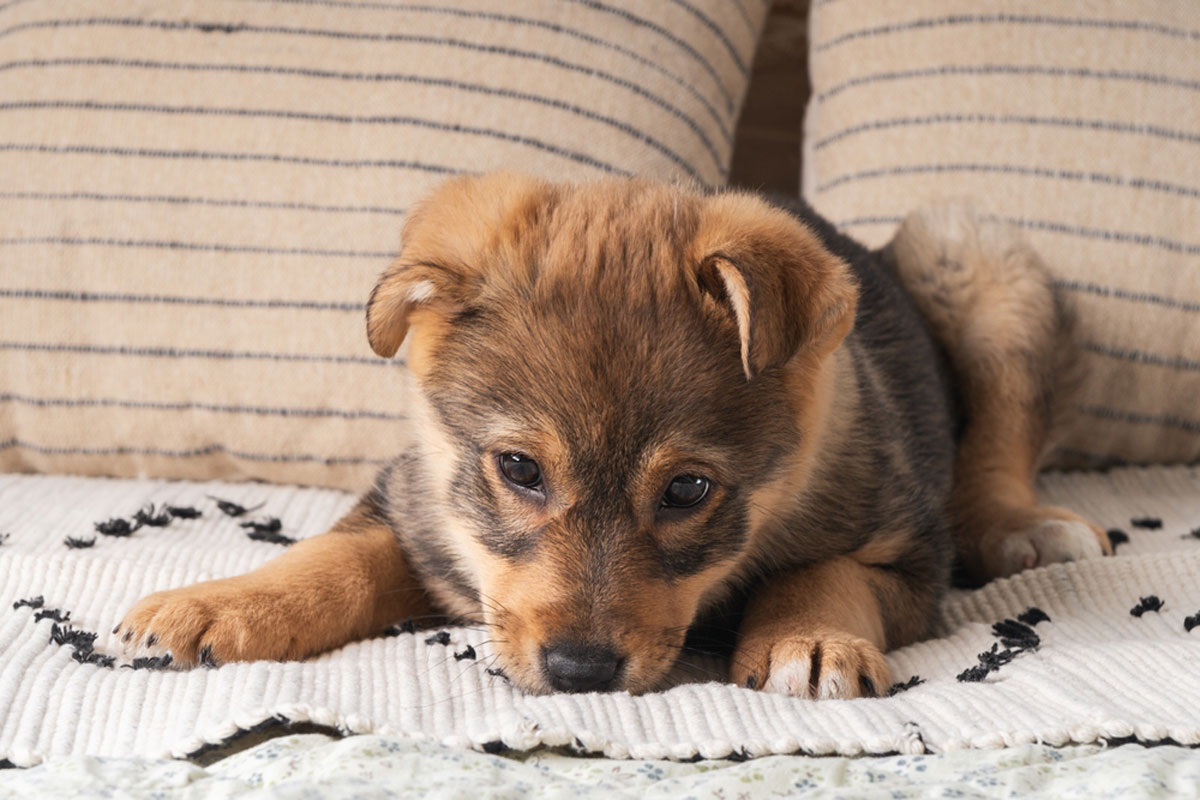
A Telling Look
Your dog’s eyes can say a lot — they might appear sad, tired, or distant. In some cases, dogs in pain avoid eye contact or look worried all the time.
When to Seek Help?
If you notice one or more of these signs, don’t guess. Pain can be a symptom of something serious — anything from a toothache to arthritis or internal issues. A veterinarian is the only one who can properly assess the situation and help your pet feel better.