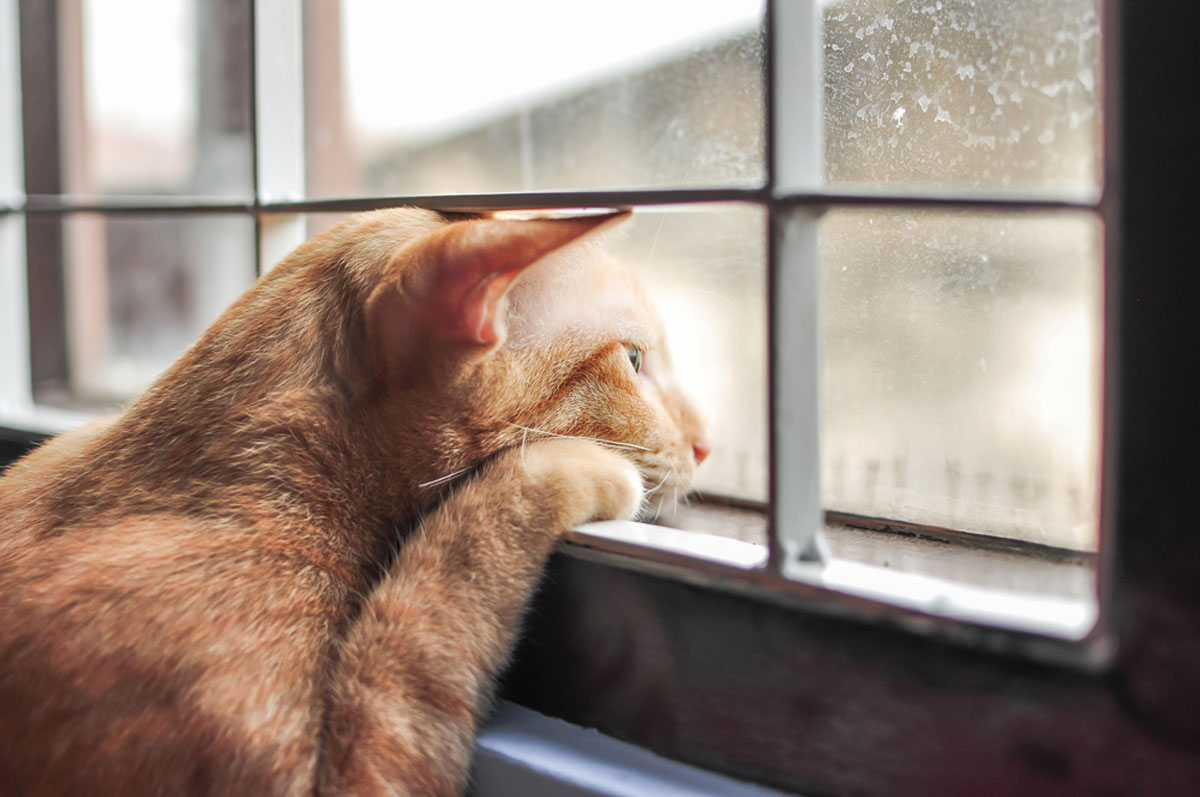
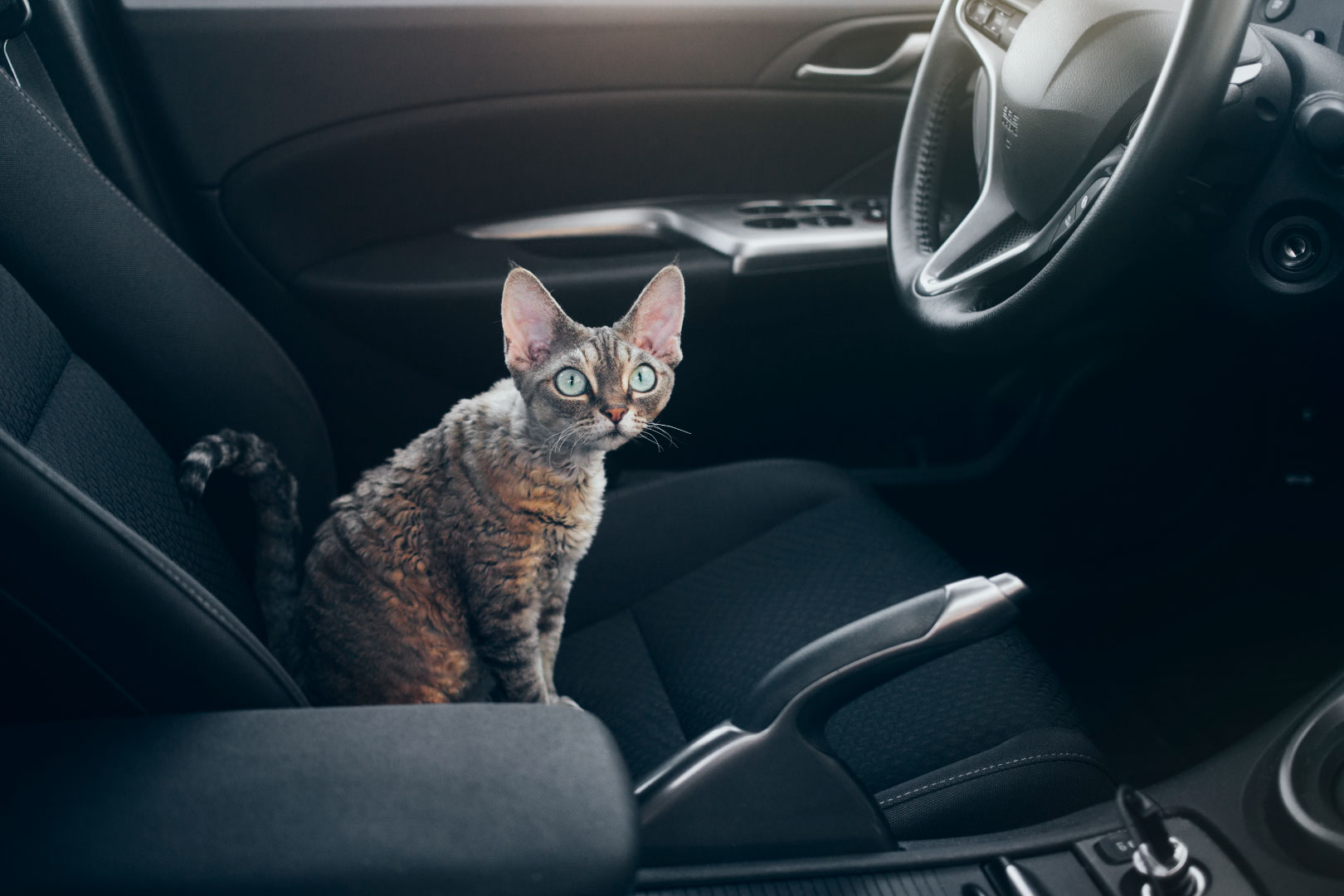
In this guide, we will help you understand the signs of stress in cats and share practical tips on how to help your feline friend relax and regain their sense of security.
Recognizing the Signs of Stress in Cats
Cats are often very subtle when it comes to showing signs of stress. As a pet owner, it’s important to be aware of their behavior and look for these common stress indicators:
- Increased aggression: If your normally calm cat becomes aggressive or displays defensive behavior, stress could be the culprit.
- Excessive grooming or biting: Stress can lead to obsessive grooming or self-mutilation in cats. This may result in hair loss or skin sores.
- Hiding more than usual: Cats that feel stressed or unsafe may retreat to quiet, secluded areas in your home to escape stressful situations.
- Loss of appetite: A stressed cat may refuse food, which can lead to weight loss and other health issues.
- Changes in litter box behavior: Stress can also manifest in your cat’s bathroom habits, such as urinating or defecating outside the litter box.
Pro Tip: Understanding cat body language is crucial in identifying stress. Watch for behaviors such as tail flicking, flattened ears, or dilated pupils.
READ: Games That Stimulate Your Cat’s Mind
Common Causes of Stress in Cats
There are several factors that could be contributing to your cat’s stress. Understanding the root cause can help you address the issue more effectively:
- Environmental changes: Moving to a new home, changing furniture, or introducing new pets can overwhelm a cat.
- Health issues: Illnesses, pain, or discomfort can lead to stress. Cats tend to hide pain, so it’s important to monitor for any physical symptoms.
- Changes in routine: Cats thrive on routine. A disruption in their daily activities, like feeding times or play schedules, can trigger anxiety.
- Loud noises or new people: Cats are sensitive to noise. Parties, construction, or the arrival of new people or pets in the home can make them anxious.
Helping Your Cat Relax: Create a Calm Environment
Once you’ve identified the signs and causes of stress, it’s time to help your cat feel more relaxed and comfortable. Here’s how:
- Provide a safe space: Set up a quiet, cozy area for your cat where they can retreat to when feeling overwhelmed. A soft bed in a quiet corner or a box to hide in can help them feel secure.
- Maintain a consistent routine: Cats are creatures of habit. Feed, groom, and play with them at the same time every day to maintain a sense of normalcy.
- Use calming pheromones: Pheromone diffusers like Feliway mimic the natural calming scents that cats produce, helping them to feel safe and relaxed.
- Increase playtime: Engaging your cat in regular play sessions can help release pent-up energy and reduce stress. Use interactive toys like feather wands or laser pointers to keep their mind stimulated.
- Keep noise levels down: If your cat is sensitive to noise, try to create a quieter environment. Close windows, use soft lighting, and avoid loud music or TV sounds.
Health Check: Stress Could Be Physical
If your cat’s stress doesn’t seem to improve, a health issue might be the underlying cause. Stress can often be a symptom of pain or discomfort, especially if there are no obvious environmental changes.
What to do:
- Schedule a veterinary check-up to rule out any medical conditions that may be causing discomfort or pain.
- Common health issues that can lead to stress include urinary tract infections, arthritis, and dental disease.
Gradually Introduce Changes
If you’re planning to move or introduce a new pet into the household, make the transition gradual:
- Move slowly: When moving to a new home, allow your cat to explore at their own pace. Set up their familiar items (like their bed and toys) in the new environment before introducing new spaces.
- Introduce pets slowly: When bringing a new pet home, introduce them slowly and give your cat a chance to adjust to the presence of another animal. Use separate spaces and allow them to meet through a closed door or with a barrier first.
READ: Body Language of Dogs and Cats: What Are Your Pets Actually Telling You?
Your Cat’s Happiness Matters
Understanding and managing stress in cats is essential for their health and happiness. By identifying the signs of stress, recognizing the causes, and implementing strategies to help them relax, you can ensure that your cat feels safe and secure in their home.
Be patient and observant as you work to reduce your cat’s stress. Your feline friend will thank you with more purrs, playtime, and affectionate cuddles.
Need more tips on cat care?
Join thousands of satisfied cat owners who use our expert advice and training resources. Get access to:
- Expert video tutorials on managing stress in cats and more.
- 24/7 Vet Chat support for emergencies.
- Exclusive discounts on pet products and gear.
Invest in your cat’s well-being today.