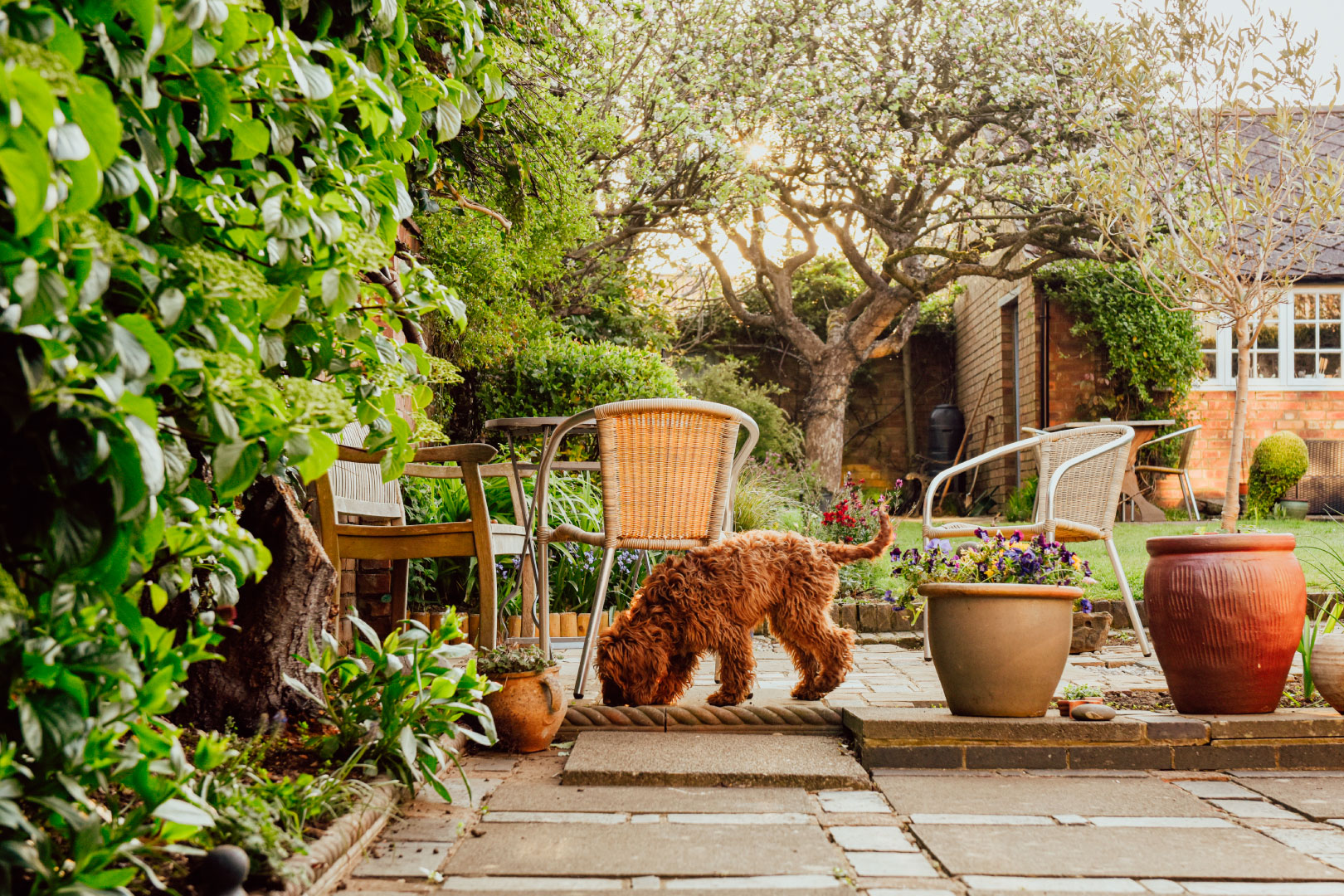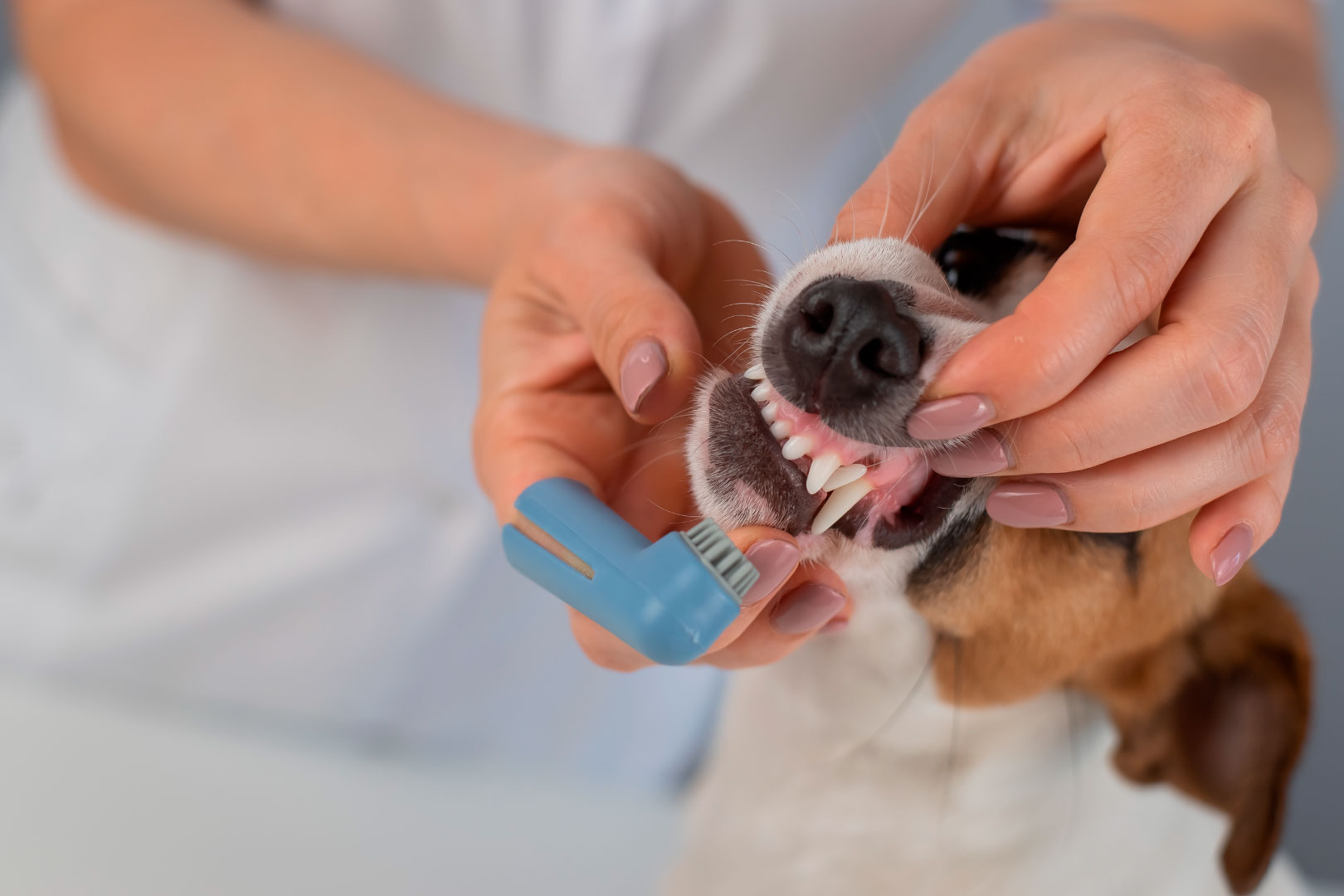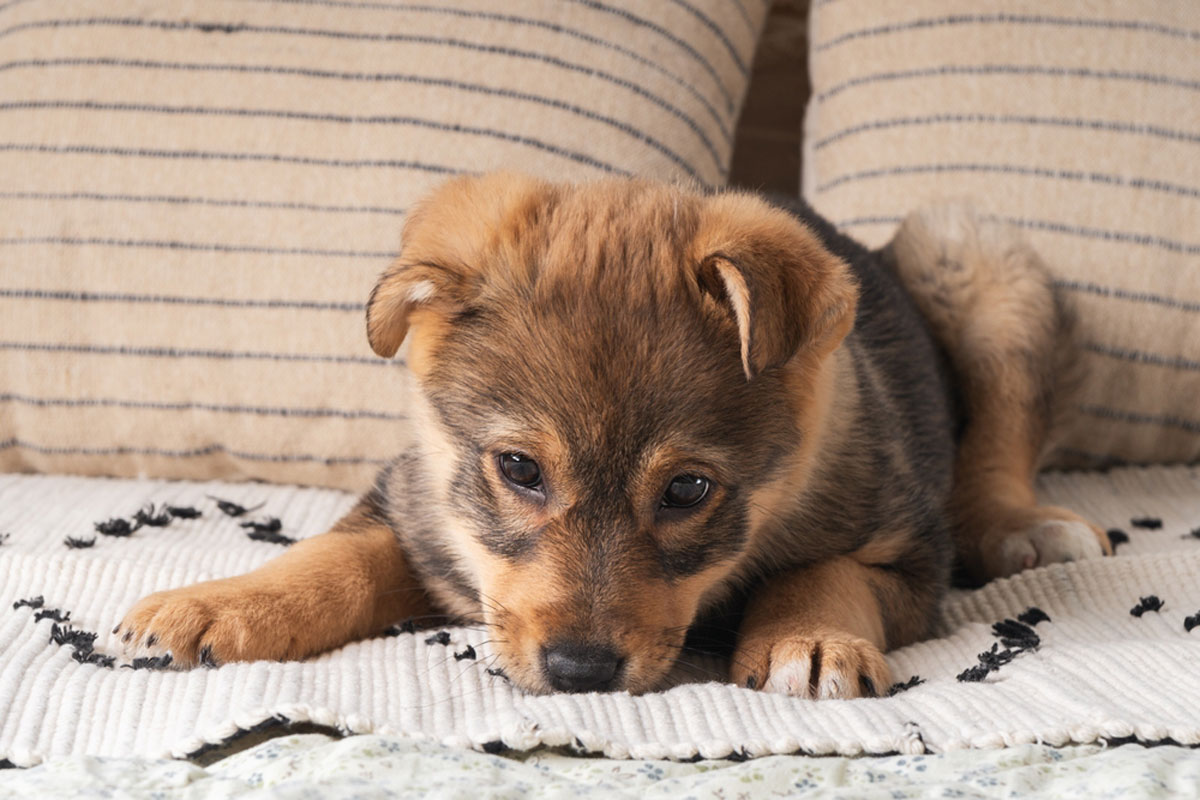
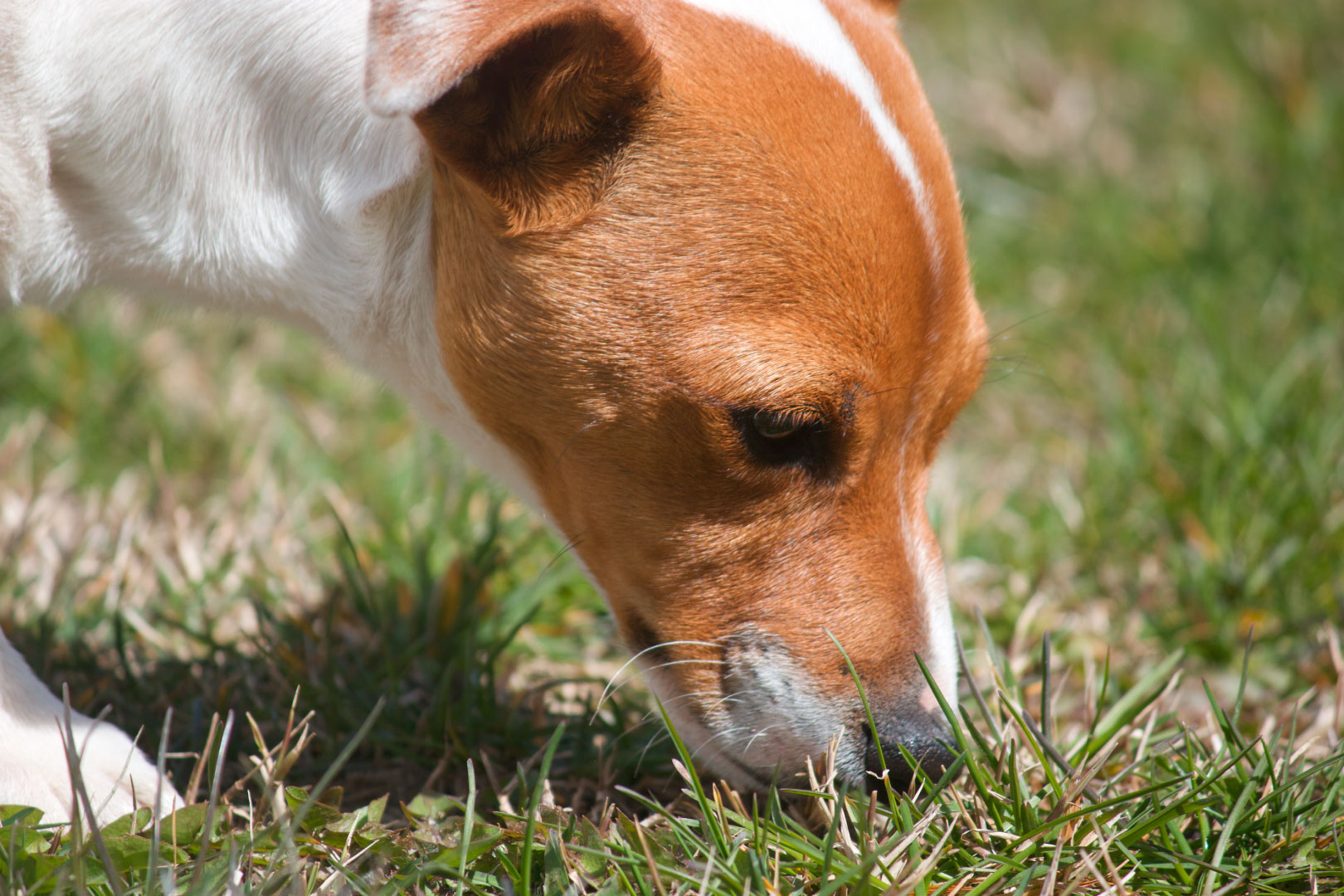
A walk with your dog can sometimes feel less like a walk and more like a very detailed investigation. You take a few steps, your dog stops. Another few steps, another interesting patch of grass. Then comes a tree, a lamppost, a wall, or a spot on the pavement that apparently deserves several minutes of careful inspection.
It can be tempting to hurry your dog along, especially when you have somewhere to be. But all that sniffing is not a distraction from the walk. For your dog, it is one of the most important parts of it.
Humans tend to understand their surroundings mainly through sight. Dogs experience much more of their world through smell. Their noses help them gather information about places, animals, people, food, and changes in their environment that we may never notice.
So, what exactly is your dog learning when they stop to sniff everything?
A Dog’s Nose Is Their Main Information-Gathering Tool
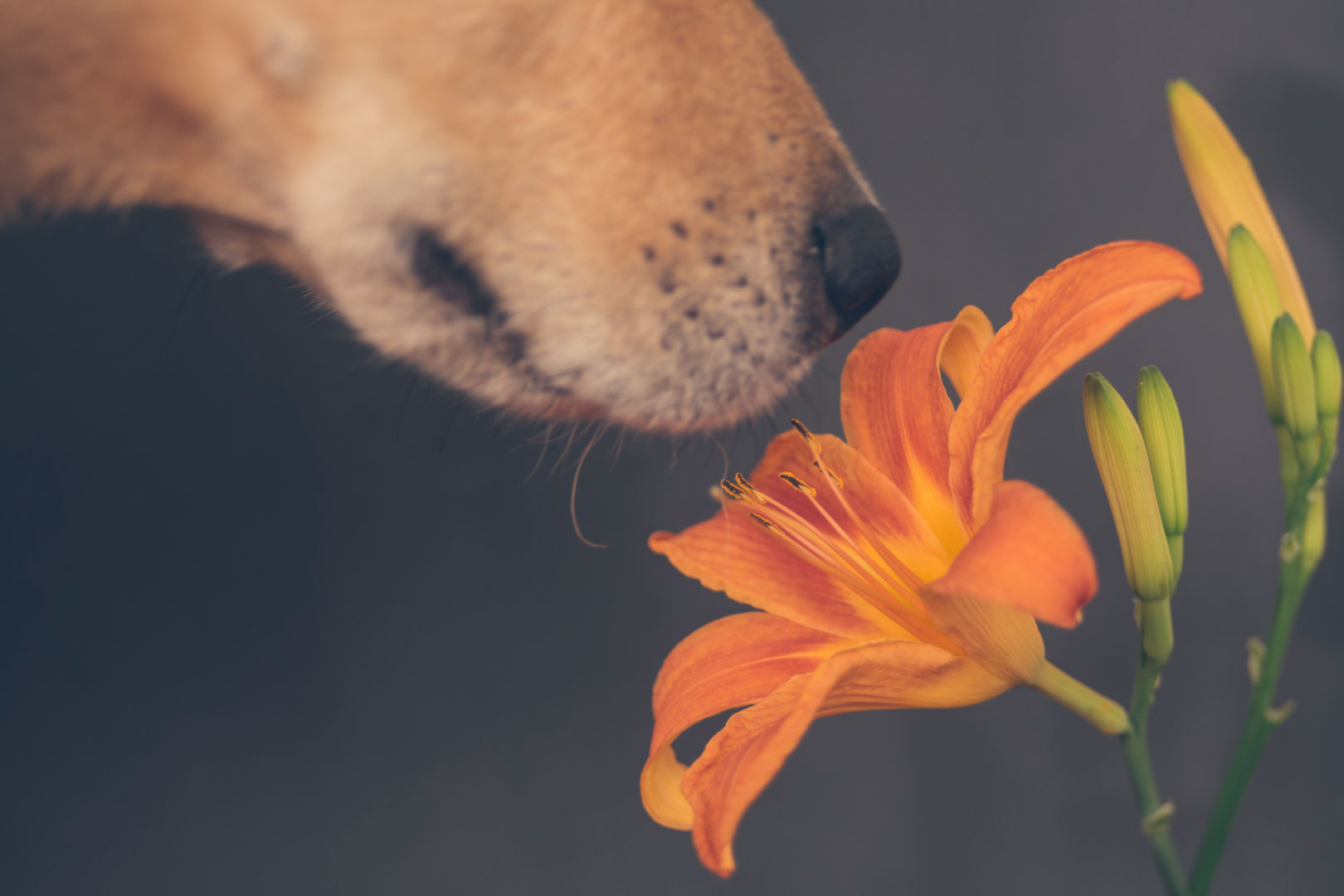
Dogs have an extraordinary sense of smell. Their noses contain far more scent receptors than human noses, and a significant part of their brain is dedicated to processing scent information.
That means a smell that seems simple or completely unnoticeable to you can contain layers of information for your dog.
When your dog sniffs a tree or patch of grass, they may be detecting traces left by other dogs and animals, food, plants, people, or changes in the environment. What looks like an ordinary walk to us can be a constantly changing stream of information to them.
Pro Tip: If your dog stops to investigate a smell during a walk, they are not necessarily being stubborn. They may simply be doing what comes naturally: gathering information.
📖 READ: Dog Facts That Explain Your Dog’s Funniest Habits
Smells Can Tell Dogs Who Has Been There
One of the reasons dogs are so interested in trees, grass, fire hydrants, and other popular stopping points is that these places often contain scent marks from other animals.
Urine, for example, carries chemical information that dogs can detect. By sniffing an area another dog has visited, your dog may be able to learn details about the animal that left the scent behind.
This is also why dogs often sniff each other when they meet. While humans rely on faces, voices, and conversation when meeting someone new, dogs gather a great deal of social information through scent.
Dogs also have a specialized scent-detection structure called the vomeronasal organ, or Jacobson’s organ, which is involved in detecting chemical signals such as pheromones.
To us, the same tree may look exactly the same every day. To your dog, its scent profile may be constantly changing.
Sniffing Makes Walks Mentally Stimulating
Physical exercise is important, but a good walk does not have to be measured only by distance or speed.
Allowing your dog to stop and explore different smells can provide valuable mental stimulation. They are making choices, processing information, and engaging one of their strongest natural senses.
This is why a slow walk filled with opportunities to sniff can sometimes be more enriching than a longer walk where the dog is expected to move continuously.
Sniffing can also give dogs more control over their environment. Instead of simply following the direction of the leash, they are able to decide what interests them and spend a little time investigating it.
Pro Tip: Try occasionally allowing your dog to choose the direction or spend extra time sniffing during part of the walk. Think of it as exploration time rather than exercise time.
Why Does My Dog Sniff the Same Spot for So Long?
Sometimes a dog gives one particular spot much more attention than everything around it.
That usually means the smell is especially interesting, complex, or new.
Another dog may have recently passed by. A wild animal may have crossed the area overnight. Someone may have dropped food there. Weather conditions may also change how strongly scents linger or travel.
Dogs do not simply notice whether a smell is present. Their highly developed sense of smell allows them to investigate scent in much greater detail than humans can.
This can explain why your dog may return to the same tree several times or suddenly become fascinated by a place they have walked past many times before.
From your perspective, nothing has changed. From theirs, there may be an entirely new story to investigate.
Should You Let Your Dog Sniff During Every Walk?
In most situations, yes. Sniffing is a natural behavior and an important part of how dogs explore their environment.
That does not mean your dog needs to stop at every single scent for as long as they want. Walks still need some structure, particularly near traffic, crowded spaces, other dogs, or anything that could be unsafe.
A useful approach is to create a balance between walking and exploration.
You can:
- allow regular sniffing breaks
- use a consistent cue such as “go sniff” when your dog has time to explore
- teach a cue for moving on when necessary
- choose quieter routes when you want your dog to have more freedom to investigate
- vary your walking routes so your dog encounters new scents and environments
Dogs can learn when it is time to walk and when they are free to explore.
The goal is not to remove sniffing from the walk but to make it part of a comfortable routine for both of you.
You Can Turn Sniffing Into a Game at Home
Your dog does not need a forest or a large garden to use their nose.
Simple scent games at home can provide mental stimulation and give your dog an enjoyable way to use this natural ability.
Try hiding a few pieces of your dog’s food or treats around a room and encouraging them to search. You can also hide treats inside cardboard boxes, under safe objects, or in a snuffle mat.
Start with easy hiding places so your dog understands the game. Once they become more confident, gradually make the search more challenging.
You can also introduce structured scent work. This type of activity is inspired by the work of detection dogs, which are trained to locate specific scents.
Scent-based activities can be suitable for dogs of many different ages, breeds, and energy levels because the activity relies heavily on mental engagement rather than intense physical exercise.
Pro Tip: Let your dog solve the problem themselves. Try not to point directly at the hidden treat too quickly. Part of the fun is giving their nose and brain time to work together.
📖 READ: What Your Dog’s Sleeping Position Says About Their Mood
Can Sniffing Help a Dog Feel More Relaxed?
For many dogs, having time to sniff can be a calm and rewarding activity.
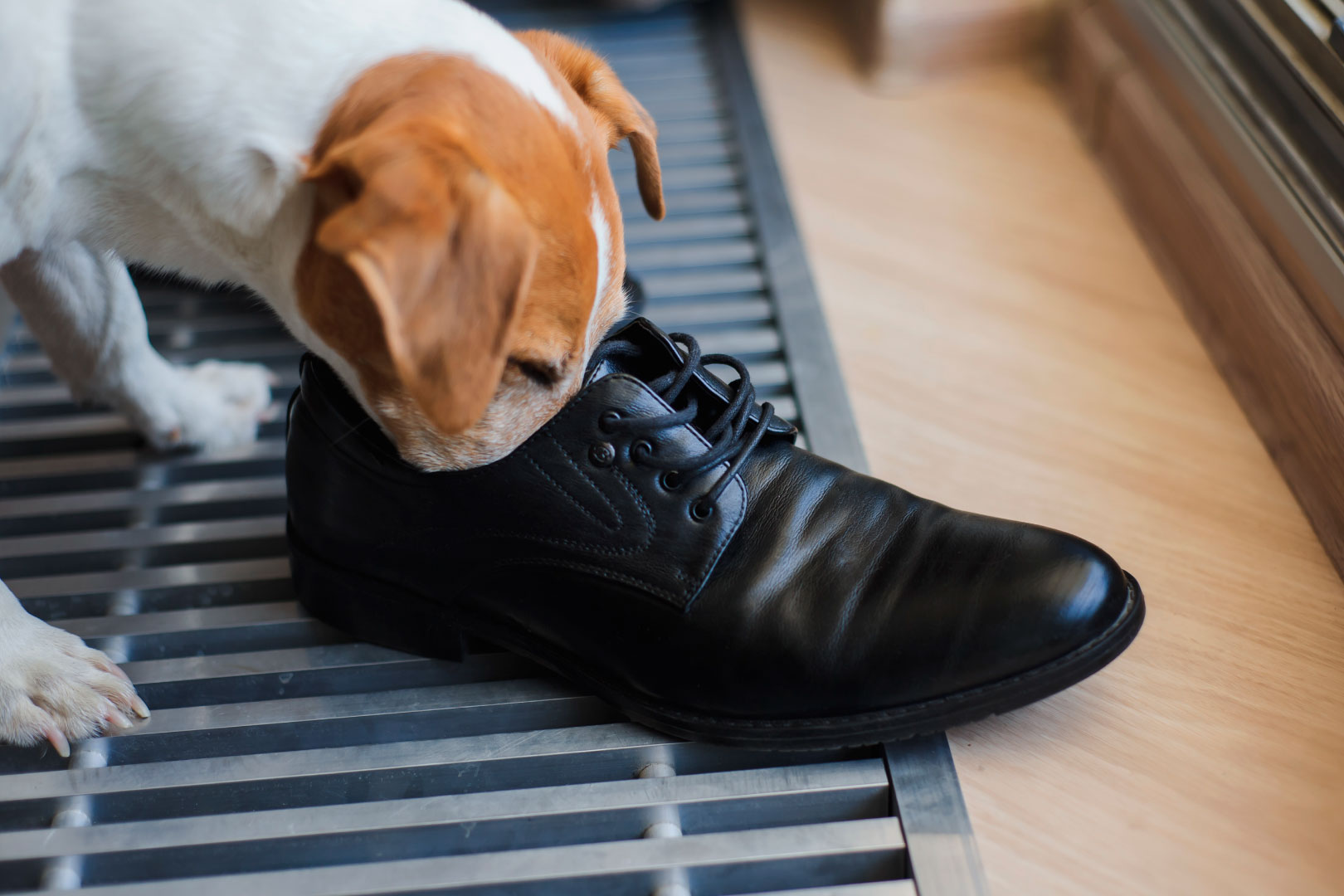
Walks can sometimes contain a lot of stimulation: cars, people, unfamiliar dogs, noises, bicycles, and new surroundings. Stopping to investigate scents allows a dog to engage with the environment in a way that feels natural to them.
Some dogs also sniff the ground when they are processing a situation or trying to calm themselves. Context matters, so sniffing should always be considered alongside the rest of the dog’s body language.
A relaxed dog that is gently exploring smells is very different from a dog that suddenly begins frantic sniffing while showing other signs of fear or discomfort.
Pay attention to the whole picture: posture, tail position, ears, breathing, movement, and what is happening around your dog.
When Can Sniffing Be a Sign That Something Is Wrong?
Sniffing itself is normal. A sudden and dramatic change in behavior, however, deserves attention.
Consider speaking to your veterinarian if your dog suddenly begins sniffing obsessively and the behavior is accompanied by other unusual symptoms, such as:
- confusion or disorientation
- restlessness
- changes in appetite
- vomiting or digestive problems
- unusual licking or chewing
- changes in sleep or activity
- signs of pain
- sudden behavioral changes
The important thing is not how much another dog sniffs, but what is normal for your dog.
Some dogs naturally investigate every corner of the neighborhood. Others are much less interested in stopping. Breed, age, personality, training, health, and previous experiences can all influence how strongly a dog uses their nose during everyday activities.
If the pattern changes suddenly, especially alongside other symptoms, a veterinarian can help determine whether there is an underlying health issue.
Conclusion: Let Your Dog Stop and Smell the World
The next time your dog spends what feels like an eternity sniffing one small patch of grass, remember that there may be much more happening than you can see.
Dogs use their noses to explore their surroundings, gather information about other animals, recognize changes, communicate, and satisfy their natural curiosity.
A walk does not always need to be about reaching a destination or covering as much distance as possible. Sometimes, giving your dog an extra minute with an interesting tree or allowing them to follow a scent for a few steps can make the experience much richer.
For you, it may simply smell like grass.
For your dog, it could be an entire story.
Want more expert tips on dog behavior and care?
Join thousands of satisfied pet owners who trust our expert advice and training programs. With our Premium Package, you’ll get access to:
✅ Engaging content created specifically for dogs.
✅ Carefully selected visual and audio stimulation.
✅ Content designed to support relaxation and positive engagement.
✅ Unlimited entertainment whenever your dog is home.
Give your dog something made with their needs in mind.