
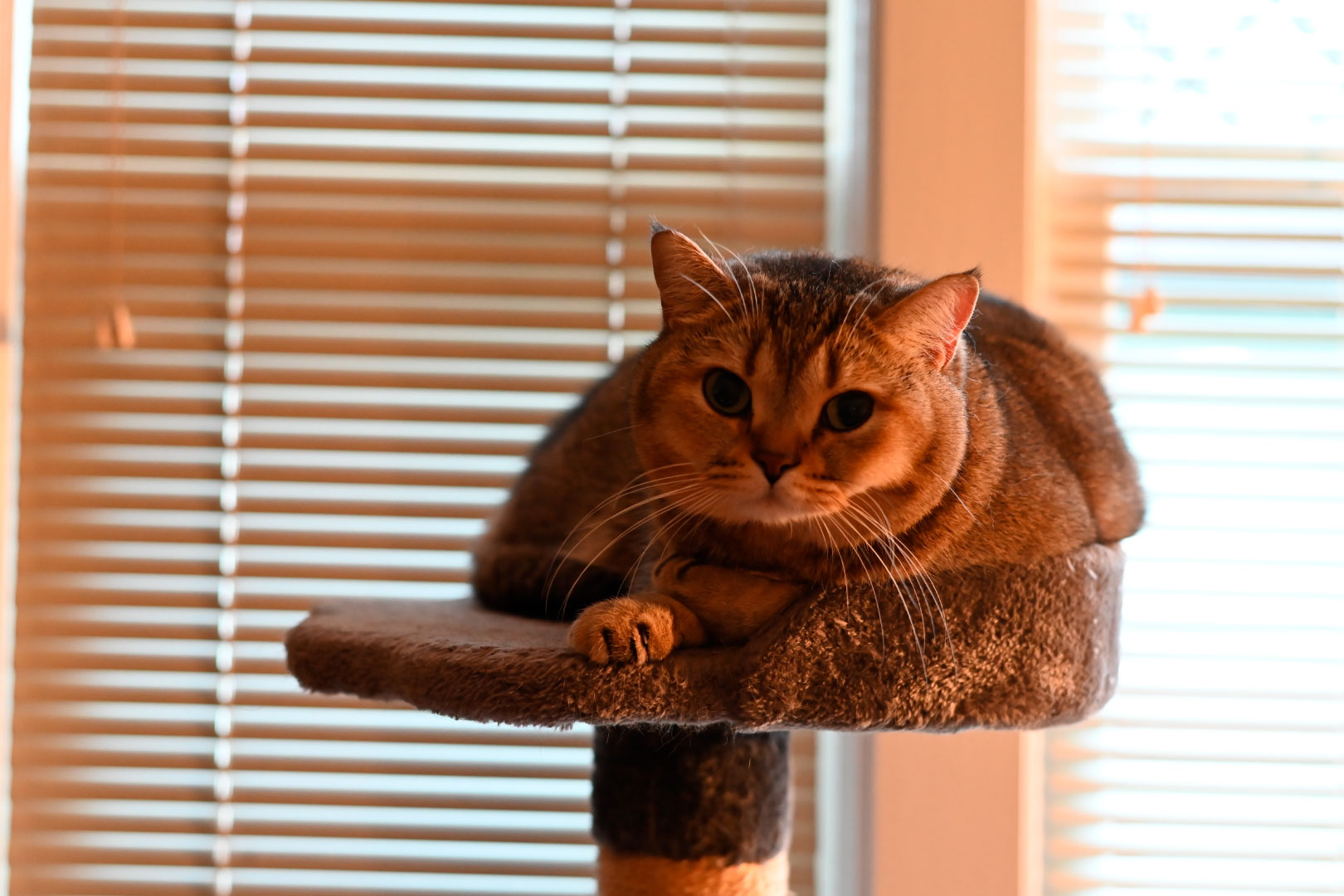
You buy your cat a comfortable bed, place it in the perfect spot, and expect them to spend hours enjoying it. Instead, you find your cat sitting on top of the refrigerator, balancing on a bookshelf, or watching the entire room from the highest piece of furniture.
Sound familiar?
Cats have a special talent for finding the highest possible spot in any room. Whether it is a windowsill, a wardrobe, or the back of the sofa, elevated spaces seem to have an irresistible appeal.
But this behavior is not simply about curiosity or finding a comfortable place to rest. For cats, being up high is closely connected to survival instincts, security, territory, and their natural desire to observe the world around them.
So, why does your cat prefer looking down on everything from above?
Cats Are Natural Climbers
Climbing is deeply rooted in feline behavior. In the wild, cats use elevated spaces to explore their surroundings, avoid potential threats, and look for prey.
Even though your indoor cat may never need to escape a predator or hunt for their next meal, these instincts remain strong.
Cats are physically designed for climbing and jumping. Their powerful hind legs allow them to leap onto elevated surfaces, while their sharp claws help them grip and maintain balance.
From your cat’s perspective, a bookshelf is not just a place for books. It is an opportunity to climb, explore, and enjoy a different view of their environment.
Pro Tip: Encourage your cat’s natural climbing instincts by providing sturdy cat trees, climbing shelves, or other secure elevated surfaces. Make sure they are stable and easy for your cat to access.
📖 READ: Why Cats Love to Pounce and Chase
High Places Help Cats Feel Safe
One of the main reasons cats enjoy elevated spaces is the sense of security they provide.
From a higher position, cats can observe what is happening around them while remaining relatively undisturbed.
This can be especially important in busy households with children, visitors, or other pets.
Imagine your cat resting on the floor while people walk past, doors open and close, and unexpected noises come from different directions. Now imagine that same cat sitting comfortably on a high shelf, where they can watch everything without being directly involved.
The second option often feels much more predictable and secure.
Elevated spaces also allow cats to choose when they want to interact with others and when they prefer to be left alone.
Pro Tip: If your cat regularly hides or seeks high places when visitors arrive, provide a quiet elevated resting area where they can retreat without being disturbed.
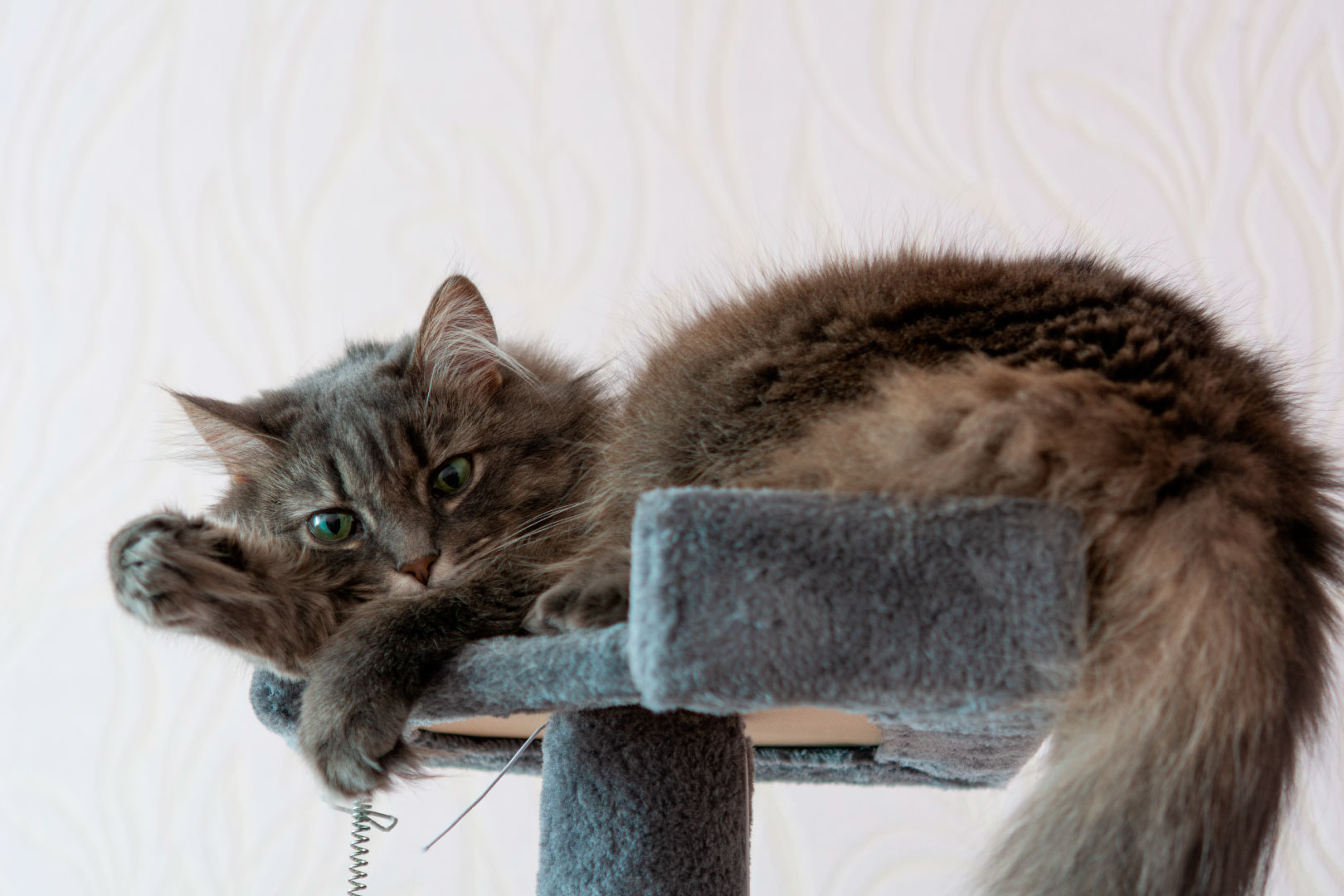
Cats Love Having a Clear View of Their Territory
Cats are naturally observant animals.
They pay attention to movement, sounds, unfamiliar objects, and changes in their surroundings. Sitting somewhere high gives them a better view of their environment.
From an elevated position, your cat can monitor several areas of a room without needing to move.
This behavior is connected to territorial awareness. Cats often feel more comfortable when they can observe what is happening in the spaces they consider familiar.
You may notice your cat choosing a high spot near a doorway, window, or frequently used area of the house.
These locations provide an excellent opportunity to watch people, other pets, and outdoor activity.
For your cat, sitting on top of a cabinet may be the perfect combination of relaxation and observation.
📖 READ: Why Some Cats Go Wild at Night: Understanding Midnight Zoomies
Vertical Spaces Are Especially Important for Indoor Cats
Indoor cats may have fewer opportunities to climb, explore, and experience different environments than cats with safe outdoor access.
This makes vertical space particularly valuable.
A home may seem spacious to humans, but cats experience their surroundings differently. They do not explore only from one side of a room to another. They also enjoy moving upward.
Adding climbing opportunities can make a familiar environment more interesting and engaging.
Vertical spaces can help indoor cats:
- Express natural climbing and jumping behaviors
- Explore their surroundings from different perspectives
- Find comfortable places to rest
- Avoid unwanted interactions with other pets
- Stay physically active and mentally engaged
- Feel more confident in their environment
A cat tree, a wall-mounted climbing system, or a series of secure shelves can transform an ordinary room into a more stimulating environment.
You do not necessarily need a large home or expensive furniture to create these opportunities.
Sometimes, a carefully positioned shelf or a comfortable perch near a window can make a significant difference.
Pro Tip: Place a secure cat perch near a window so your cat can safely observe birds, trees, and outdoor movement. Watching the world outside can provide valuable visual enrichment for indoor cats.
🚀 UNLOCK VIDEO TRAINING & GET THE PREMIUM PACKAGE
Why Do Cats Prefer the Highest Spot in the Room?
Have you ever noticed that your cat ignores several perfectly comfortable resting places and chooses the very top of a wardrobe instead?
For some cats, the highest available position offers the best combination of visibility, privacy, and security.
Being above the activity in a room can help them feel less exposed to sudden disturbances.
However, not every cat wants to climb as high as possible.
Some prefer moderately elevated spaces, such as the back of a sofa or a low shelf. Others enjoy enclosed hiding places closer to the ground.
Age, personality, physical ability, and previous experiences can all influence where a cat feels most comfortable.
The important thing is to provide choices rather than assume every cat needs the same type of resting place.
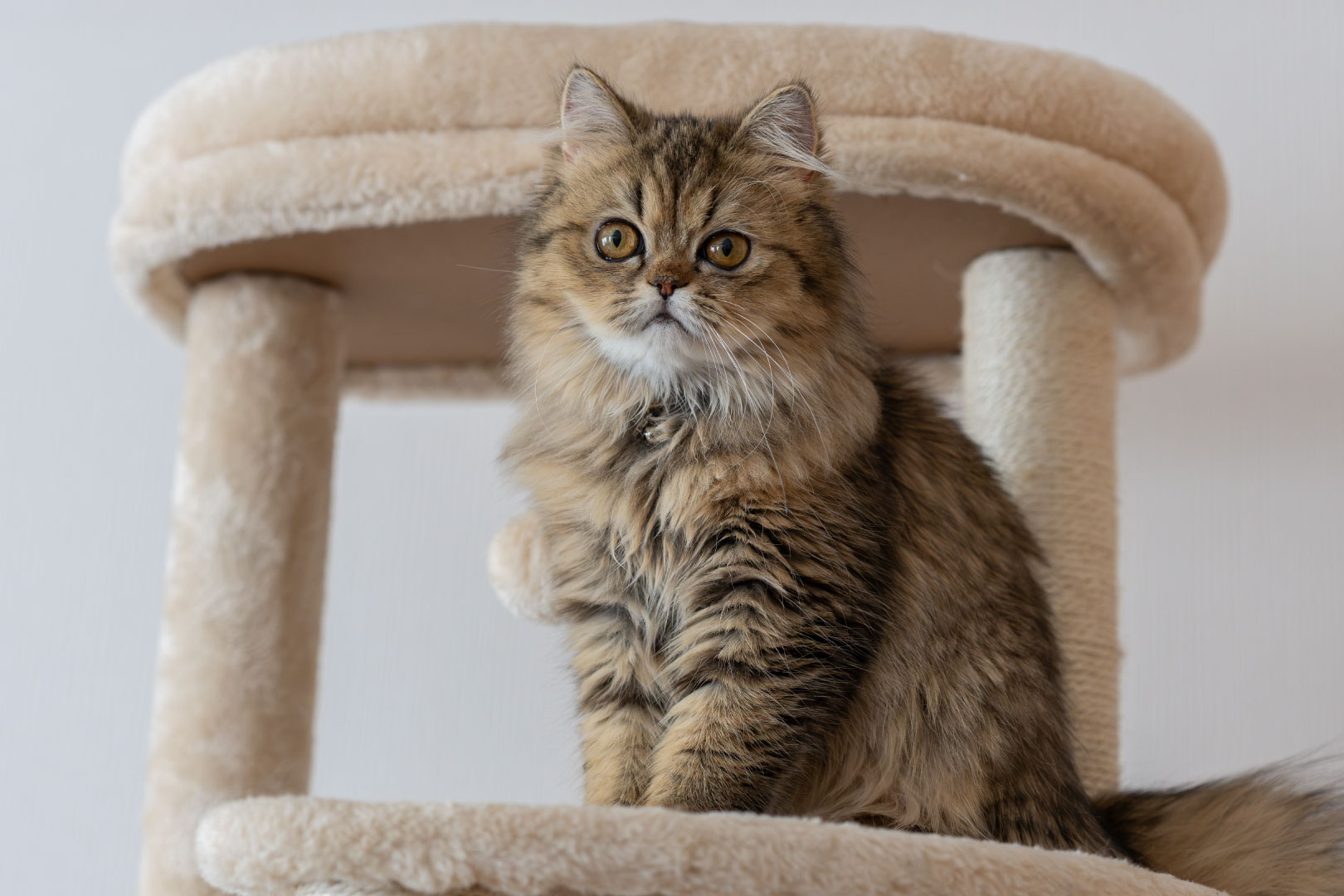
Can High Places Help Cats Living Together Feel More Comfortable?
In households with multiple cats, vertical space can be especially useful.
Even cats that generally get along may occasionally want distance from one another.
When several cats share the same environment, having access to different levels can create additional resting areas and help reduce competition for space.
For example, one cat may prefer relaxing on a windowsill while another chooses a higher shelf or cat tree.
This allows them to occupy the same room without constantly interacting.
Vertical spaces can also provide alternative routes through a room, allowing cats to move around without approaching one another too closely.
However, elevated spaces should have safe access and exit routes. A cat should not feel trapped on a shelf because another cat is blocking the only way down.
Pro Tip: If you have more than one cat, provide several climbing and resting options in different areas of your home. Multiple accessible spaces can help each cat find a comfortable place of their own.
How to Create a Cat-Friendly Vertical Environment
Creating a more interesting environment for your cat does not have to involve completely redesigning your home.
A few simple adjustments can give your cat more opportunities to climb, observe, and relax.
Here are some ideas:
- Invest in a sturdy cat tree: Choose one with multiple platforms and comfortable resting areas.
- Install secure climbing shelves: Arrange them at suitable distances so your cat can move safely between levels.
- Create a window observation spot: A stable perch near a closed, secure window can provide hours of interesting views.
- Keep elevated spaces comfortable: Add a washable blanket or soft resting surface where appropriate.
- Provide easy access: Older cats and cats with limited mobility may benefit from ramps or small steps.
- Avoid dangerous locations: Keep climbing areas away from unstable furniture, exposed electrical cords, fragile decorations, and other hazards.
Remember that cats need more than physical exercise. They also benefit from opportunities to observe, investigate, and engage with their surroundings.
Providing a variety of safe spaces helps support these natural behaviors.
When Could Climbing Behavior Be a Sign of Stress?
Most cats enjoy sitting in high places simply because it feels natural and comfortable.
However, changes in behavior can sometimes tell you something important.
If your cat suddenly begins spending nearly all their time on top of furniture, refuses to come down, or appears frightened when approached, it may be worth investigating what has changed.
Possible reasons include:
- A new pet or family member
- Changes in the household routine
- Loud noises or unfamiliar visitors
- Conflict with another cat
- A lack of comfortable resting places
- Stress or physical discomfort
Pay attention to your cat’s overall behavior.
Are they eating normally? Do they still enjoy playing? Are they using the litter box as usual? Do they appear relaxed while resting?
A cat calmly watching the room from a shelf is very different from a cat hiding in an elevated location because they feel threatened.
If your cat’s behavior changes suddenly, particularly alongside changes in appetite, mobility, grooming, or litter box habits, consult your veterinarian.
Conclusion: Give Your Cat a Room With a View
The next time you find your cat sitting on top of a bookshelf or looking down from the highest cabinet in the room, remember that they are doing much more than choosing an unusual resting spot.
Climbing and resting in elevated spaces are natural parts of feline behavior.
High places allow cats to observe their surroundings, feel more secure, express their instincts, and enjoy a greater sense of control over their environment.
By providing safe climbing opportunities and comfortable elevated resting areas, you can help make your home more interesting and welcoming for your cat.
After all, your cat does not necessarily want to be above everyone else.
Sometimes, they simply want the best view in the house.
________________________________________
(FAQ)
- Why does my cat always choose the highest place in the room?
Cats often prefer high places because they offer a clear view of their surroundings and a greater sense of security. From an elevated spot, your cat can relax while keeping an eye on everything happening below.
- Is it safe to let my cat climb on furniture?
Climbing is a natural behavior for cats, but their favorite spots should be stable and free from hazards. Providing sturdy cat trees or secure climbing shelves can help your cat explore safely.
- Do indoor cats need access to high places?
Indoor cats benefit from vertical spaces because they provide opportunities for exercise, exploration, and mental stimulation. Even a simple window perch or a small cat tree can make their environment more interesting.
- Should I worry if my cat suddenly starts hiding in high places?
While resting in elevated spots is normal, a sudden change in behavior may indicate stress or discomfort. If your cat also shows changes in appetite, activity, or litter box habits, consult your veterinarian.
Want more expert tips on cat behavior and care?
Join thousands of satisfied pet owners who trust our expert advice and training programs. With our Premium Package, you’ll get access to:
✅ Expert video tutorials on cat care and behavior.
✅ 24/7 support from professional trainers.
✅ Practical advice for keeping your cat active and healthy.
✅ Exclusive discounts on cat products and accessories.
Invest in your cat’s happiness today!