
Every morning, your dog wakes up, eats breakfast, goes for a walk, and settles into their favorite spot. Later comes another walk, dinner, perhaps a little playtime, and then bed.
Tomorrow? Probably something very similar.
For many dog owners, having a predictable daily routine feels like a good thing. Dogs know when to expect their meals, walks, and time with their favorite humans. But have you ever watched your dog lying on the sofa, staring at you, and wondered whether they are getting a little tired of doing the same things every day?
After all, even the most comfortable routine can start to feel repetitive.
The interesting thing is that dogs experience routines differently from humans. While we often look for something new and exciting, dogs generally appreciate knowing what comes next.
However, enjoying predictability does not mean they never need variety.
So, do dogs actually get bored of their daily routines, and how can you tell when it is time to introduce something new?
Dogs Love Routine, but They Also Need Stimulation
A familiar daily schedule can help them feel secure because they learn what to expect from their environment. Regular mealtimes, walks, rest periods, and interactions with family members provide structure to their day.
For example, your dog may begin waiting near the door just before their usual afternoon walk. They might recognize the sound of their food bowl or head toward their bed when the household starts winding down for the night.
These familiar patterns can be comforting.
But there is an important difference between having a consistent routine and having a day with very little to do.
A dog that receives regular exercise, social interaction, opportunities to explore, and enough rest may be perfectly happy following a similar schedule every day.
On the other hand, a dog that spends most of the day without meaningful activity may begin looking for ways to entertain themselves.
And sometimes, those activities are not exactly what their owners had in mind.
Pro Tip: Keep the important parts of your dog’s routine consistent, such as meals and rest, but introduce small changes to playtime, walking routes, or enrichment activities.
How Can You Tell If Your Dog Is Bored?
Dogs cannot tell us that they are bored, but their behavior can offer clues.
Some dogs become restless when they do not have enough physical or mental stimulation. Others may look for attention or start interacting with household objects in ways they normally would not.
Possible signs of boredom include:
- Frequently bringing toys to you or demanding attention
- Chewing furniture, shoes, or other household items
- Digging in the garden or scratching at surfaces
- Pacing around the house without settling
- Barking more frequently than usual
- Becoming unusually excited whenever something happens
- Losing interest in familiar toys or activities
However, these behaviors do not automatically mean your dog is bored.
Restlessness, destructive behavior, and excessive barking can also be connected to stress, anxiety, insufficient exercise, or underlying health problems.
The key is to consider the whole picture.
Has your dog’s daily activity recently decreased? Are they spending longer periods alone? Do they seem more relaxed after a walk, play session, or training activity?
Observing these patterns can help you understand whether your dog needs more opportunities to stay engaged.
Pro Tip: If your dog suddenly develops unusual behaviors, especially alongside changes in appetite, sleep, or energy levels, speak with your veterinarian before assuming boredom is the cause.
📖 READ: Dog Facts That Explain Your Dog’s Funniest Habits
The Same Walk Can Feel Different Every Day
You might walk your dog along the same streets every morning and wonder whether they are getting tired of seeing the same houses, trees, and sidewalks.
But your dog experiences a walk very differently from you.
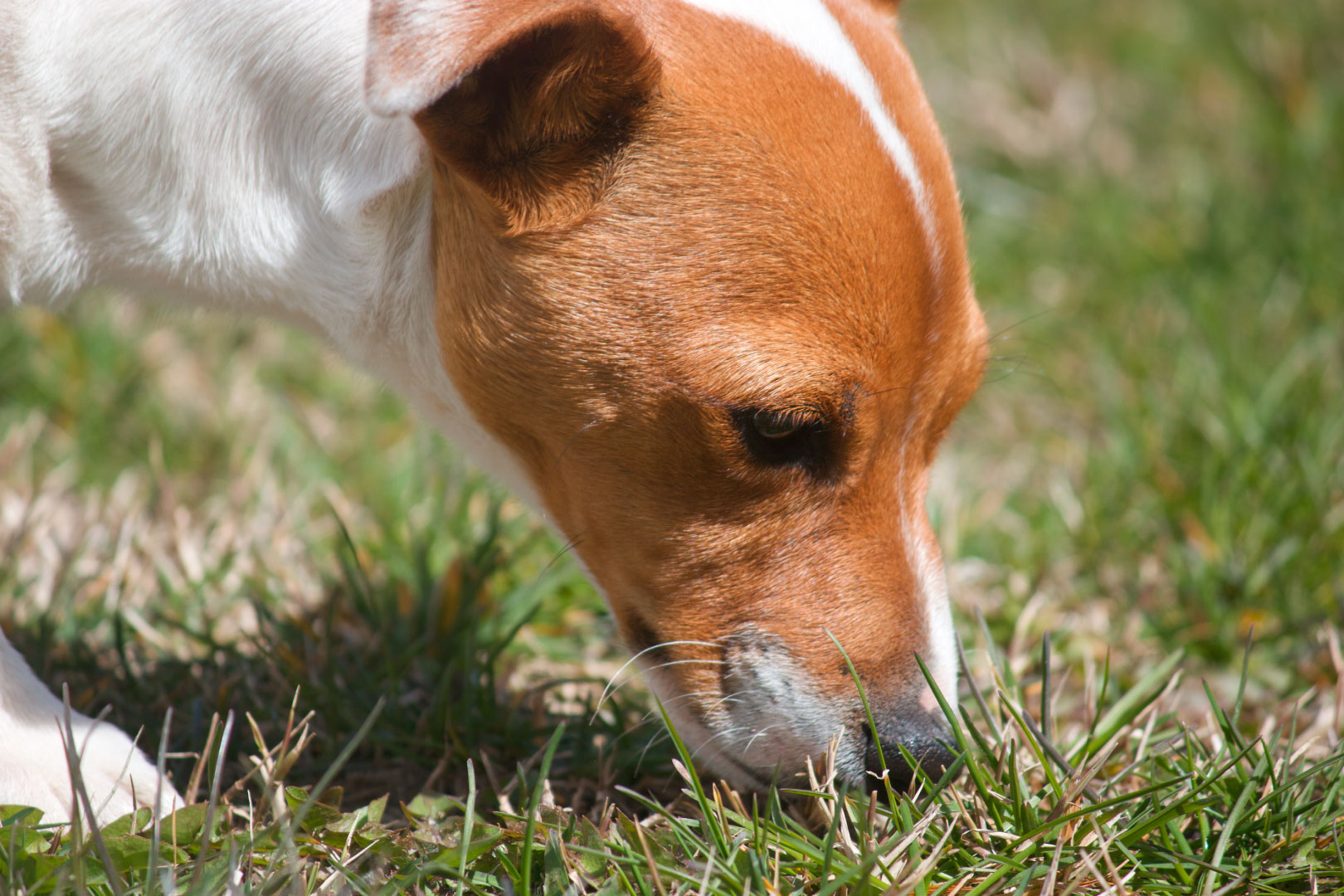
While humans tend to focus on what they can see, dogs rely heavily on their sense of smell.
A familiar street can contain an entirely new collection of scents from other dogs, people, animals, and environmental changes.
That tree your dog insists on sniffing every morning?
From your perspective, it is just the same tree.
From your dog’s perspective, there may be new information waiting to be discovered.
This is one reason why walks do not always need to involve new destinations to remain interesting.
Allowing your dog time to sniff, investigate, and explore can make even a familiar route more engaging.
You can also introduce occasional changes by choosing a different street, visiting a quieter park, or walking at a different time of day.
Pro Tip: Try turning one regular walk into a relaxed sniffing walk. Let your dog spend more time exploring safe areas instead of focusing only on distance or speed.
📖 READ: Why Does My Dog Sniff Everything? How Your Dog Reads the World Through Smell
Mental Exercise Can Be Just as Important as Physical Activity
When owners think about keeping their dogs entertained, they often think about longer walks, running, or playing fetch.
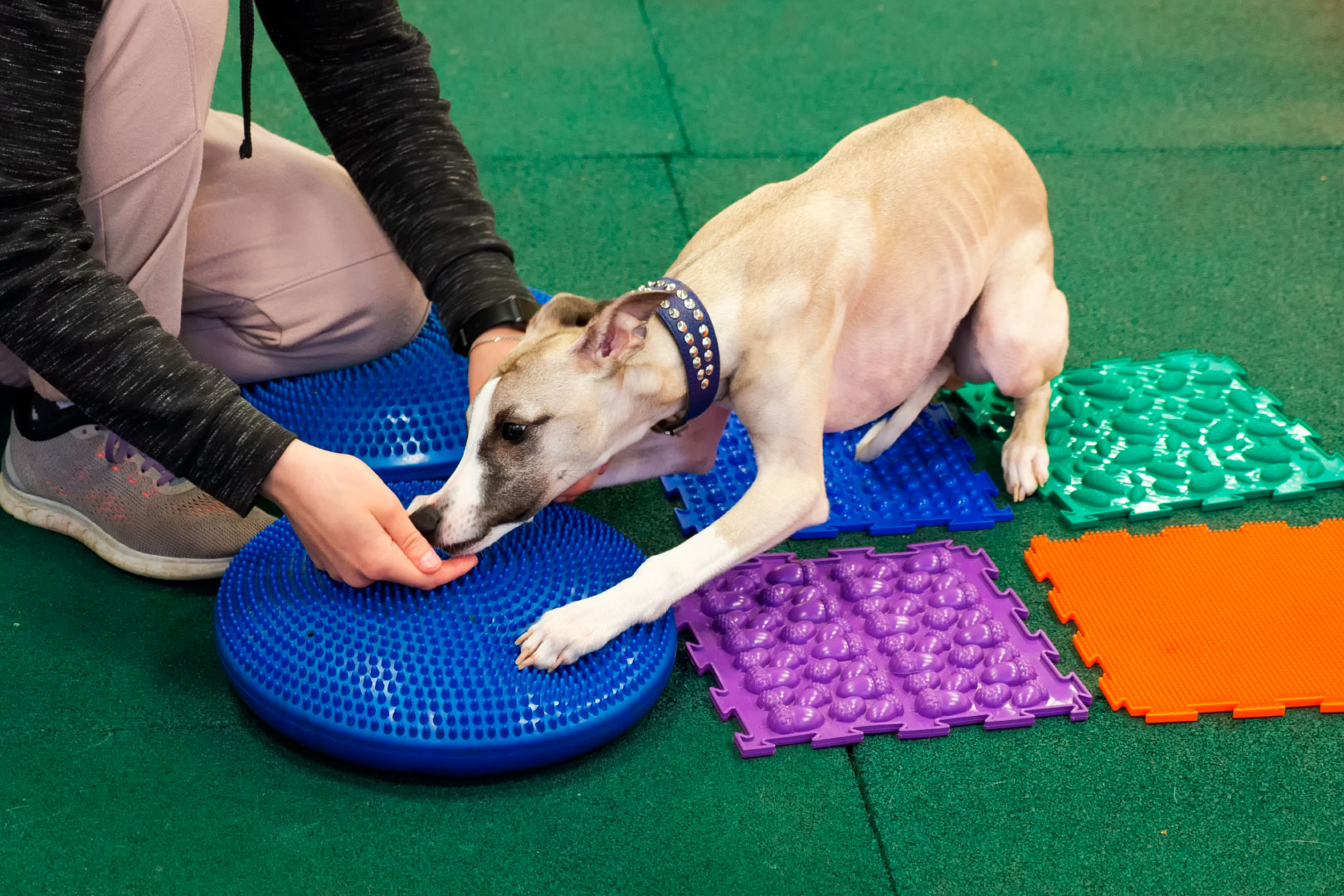
Physical exercise is important, but dogs also benefit from activities that encourage them to think, investigate, and solve problems.
Mental stimulation can be particularly useful for dogs that spend much of their time indoors.
Fortunately, you do not need complicated equipment or expensive toys to make their day more interesting.
Here are a few simple ideas:
- Hide-and-seek with treats: Hide small treats in safe places and encourage your dog to find them using their nose.
- Puzzle feeders: Let your dog work out how to access their food instead of always eating directly from a bowl.
- Short training sessions: Practice familiar commands or introduce a simple new trick.
- Toy rotation: Put some toys away and bring them back a few days later to renew interest.
- Find the toy: Ask your dog to locate a favorite toy hidden somewhere in the room.
- Food enrichment: Use suitable food-dispensing toys or snuffle mats to make mealtimes more engaging.
Even five or ten minutes of focused activity can add variety to a familiar day.
Remember that mental enrichment should be enjoyable, not frustrating. Start with easy challenges and gradually increase the difficulty as your dog becomes more confident.
Pro Tip: Instead of giving your dog every toy at once, rotate a few favorites throughout the week. A familiar toy can become interesting again when it has been out of sight for a while.
🚀 UNLOCK VIDEO TRAINING & GET THE PREMIUM PACKAGE
Can Dogs Get Bored When They Are Home Alone?
For many dogs, the quietest part of the day begins when their owners leave for work.
After the morning walk and breakfast, the house becomes still. There are fewer sounds, less movement, and no one available to play or interact with.
Some dogs are comfortable spending this time resting.
Others may find long periods alone more challenging, particularly when they have limited opportunities for enrichment or are not accustomed to being separated from their owners.
It is important to distinguish boredom from separation anxiety.
A bored dog may look for activities to occupy their time, while a dog experiencing separation-related distress may show signs such as persistent vocalization, attempts to escape, or significant agitation when left alone.
If your dog struggles with being alone, simply providing more toys may not address the underlying problem.
However, for dogs that are comfortable being left alone, preparing a calm and enriching environment can help make the day more pleasant.
Consider providing a comfortable resting area, an appropriate food puzzle, or gentle background entertainment.
Some dogs may also respond positively to calming sounds and slow-moving visual content.
Pro Tip: Before leaving your dog alone with any enrichment toy, make sure it is appropriate for their size and chewing habits and safe to use without supervision.
📖 READ: Separation Anxiety in Dogs: How to Prevent and Manage It Effectively
Small Changes Can Make a Familiar Day More Exciting
Keeping your dog mentally stimulated does not mean planning a different adventure every day.
In fact, constantly changing everything can be overwhelming for some dogs.
A better approach is to introduce small, enjoyable experiences while keeping the overall routine familiar.
For example, you might:
- Take a different route during one afternoon walk.
- Introduce a new scent-based game at home.
- Practice a trick your dog has not tried before.
- Spend a few extra minutes playing with their favorite toy.
- Visit a dog-friendly location they have not explored recently.
- Let your dog choose between two suitable toys.
- Create a simple indoor obstacle course using safe household objects.
The goal is not to fill every moment with activity.
It is to give your dog opportunities to make choices, use their natural abilities, and experience something interesting.
For some dogs, a new walking route is exciting. For others, searching for treats around the living room is more than enough.
Pay attention to what your dog genuinely enjoys rather than assuming that more activity is always better.
Do All Dogs Need the Same Amount of Variety?
Not every dog has the same energy level, personality, or interest in new experiences.
A young, energetic dog may enjoy frequent training sessions, interactive games, and longer periods of physical activity.
An older dog may prefer shorter walks, gentle sniffing activities, and plenty of comfortable rest.
Breed tendencies can also influence behavior. Some dogs have a strong interest in retrieving objects, while others particularly enjoy scent-based activities or exploring new environments.
However, individual personality matters just as much as breed.
Even two dogs living in the same household may have completely different preferences.
One might become excited whenever you pick up a ball, while the other would rather spend ten minutes investigating an interesting smell.
Health and mobility also play important roles.
Dogs with joint discomfort, limited mobility, or certain medical conditions may need enrichment activities adapted to their abilities.
Pro Tip: Choose activities based on your dog’s age, health, personality, and enthusiasm. A calm, enjoyable activity is often more valuable than an intense game your dog does not particularly like.
Sometimes, Doing Nothing Is Exactly What Your Dog Needs
When we worry about boredom, it can be tempting to entertain our dogs constantly.
But dogs also need time to rest.
Sleeping, relaxing, and quietly observing their surroundings are normal parts of a healthy daily routine.
A dog lying comfortably on the sofa is not necessarily bored.
They may simply be enjoying a peaceful moment.
The important distinction is whether your dog can settle comfortably and appears content during quiet periods.
A dog that has enjoyed an appropriate walk, some interaction, and a little mental stimulation may be perfectly happy spending the afternoon resting.
In fact, constantly introducing exciting activities without enough downtime can make it harder for some dogs to relax.
A balanced routine includes both stimulation and recovery.
You might notice that your dog becomes particularly relaxed after a sniffing walk or a short training session. That quiet period afterward is not wasted time.
It is part of a satisfying day.
Pro Tip: Create a comfortable resting area away from excessive noise and household activity. Give your dog the freedom to relax without being disturbed whenever they choose.
How to Build a Daily Routine That Keeps Your Dog Happy
The best routine is not necessarily the busiest one.
It is a routine that provides a comfortable balance of predictability, physical exercise, mental stimulation, social interaction, and rest.
A simple day might look like this:
- Morning: A familiar walk with time for sniffing and exploration, followed by breakfast.
- Midday: Rest, a suitable enrichment activity, or a short visit from a caregiver if needed.
- Afternoon: Another walk, a little playtime, or a brief training session.
- Evening: Dinner, relaxed interaction with the family, and a comfortable place to unwind.
You can keep this basic structure while changing individual activities throughout the week.
For example, Monday might include a scent game, Tuesday a new walking route, and Wednesday a short training session.
The routine remains predictable, but your dog still has opportunities to experience something different.
And remember, the best way to understand whether your routine is working is to observe your dog.
Are they comfortable at home? Do they enjoy their walks? Can they relax after activity? Are they showing interest in their surroundings?
These everyday behaviors can tell you much more than simply counting how many activities you have planned.
Conclusion: A Familiar Routine Can Still Be Full of Surprises
So, do dogs get bored of the same daily routine?
The answer is that they can, especially when their days offer too few opportunities for exploration, interaction, and mental stimulation.
But that does not mean your dog needs constant entertainment or a completely different schedule every day.
Dogs often appreciate the comfort of knowing when they will eat, walk, rest, and spend time with their favorite people.
What makes the difference is finding small ways to keep those familiar moments interesting.
A new scent on a walk, a short game at home, a different toy, or a few minutes learning something new can bring variety into your dog’s day.
Because a happy routine is not about doing something extraordinary every day.
Sometimes, it is about making the ordinary moments a little more enjoyable.
________________________________________
(FAQ)
- Can dogs get bored of walking the same route every day?
Dogs can enjoy familiar walking routes because the scents and activity around them change from day to day. However, introducing occasional new routes and allowing more time for sniffing can make walks even more stimulating.
- How much mental stimulation does a dog need each day?
There is no single amount that works for every dog, as needs vary depending on age, health, breed tendencies, and personality. Short training sessions, scent games, and interactive feeding activities can all contribute to a mentally engaging daily routine.
- Is sleeping a lot a sign that my dog is bored?
Not necessarily. Dogs naturally spend a significant part of their day sleeping or resting, and a relaxed dog may simply be comfortable. If your dog suddenly becomes unusually tired or shows other behavioral or physical changes, consult your veterinarian.
- Can dog TV help prevent boredom?
Some dogs may enjoy watching calm visual content or listening to gentle background sounds, particularly during quiet periods at home. Dog-focused programming can be one enrichment option, but it should complement rather than replace walks, play, social interaction, and other essential activities.
Want to make your dog’s daily routine a little more enjoyable?
Even when you cannot be home all day, you can create a calm and comfortable environment for your furry friend.
With Happy Pets TV, your dog can enjoy specially designed content featuring:
- Peaceful nature scenes and gentle visual stimulation.
- Relaxing music and calming background sounds.
- Dog-friendly programming created with input from animal behavior experts.
- Continuous, ad-free entertainment for quiet moments at home.
Explore the Happy Dogs channel and discover a new way to add comfort and variety to your dog’s day.