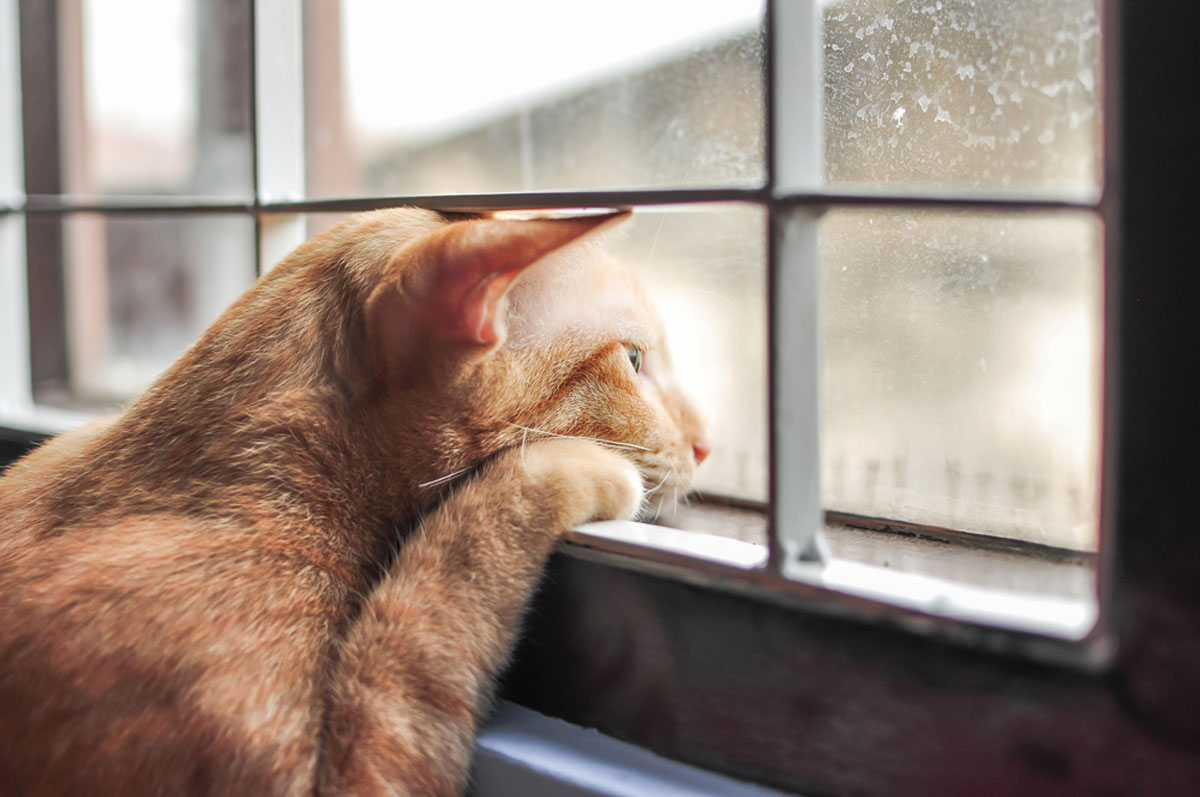
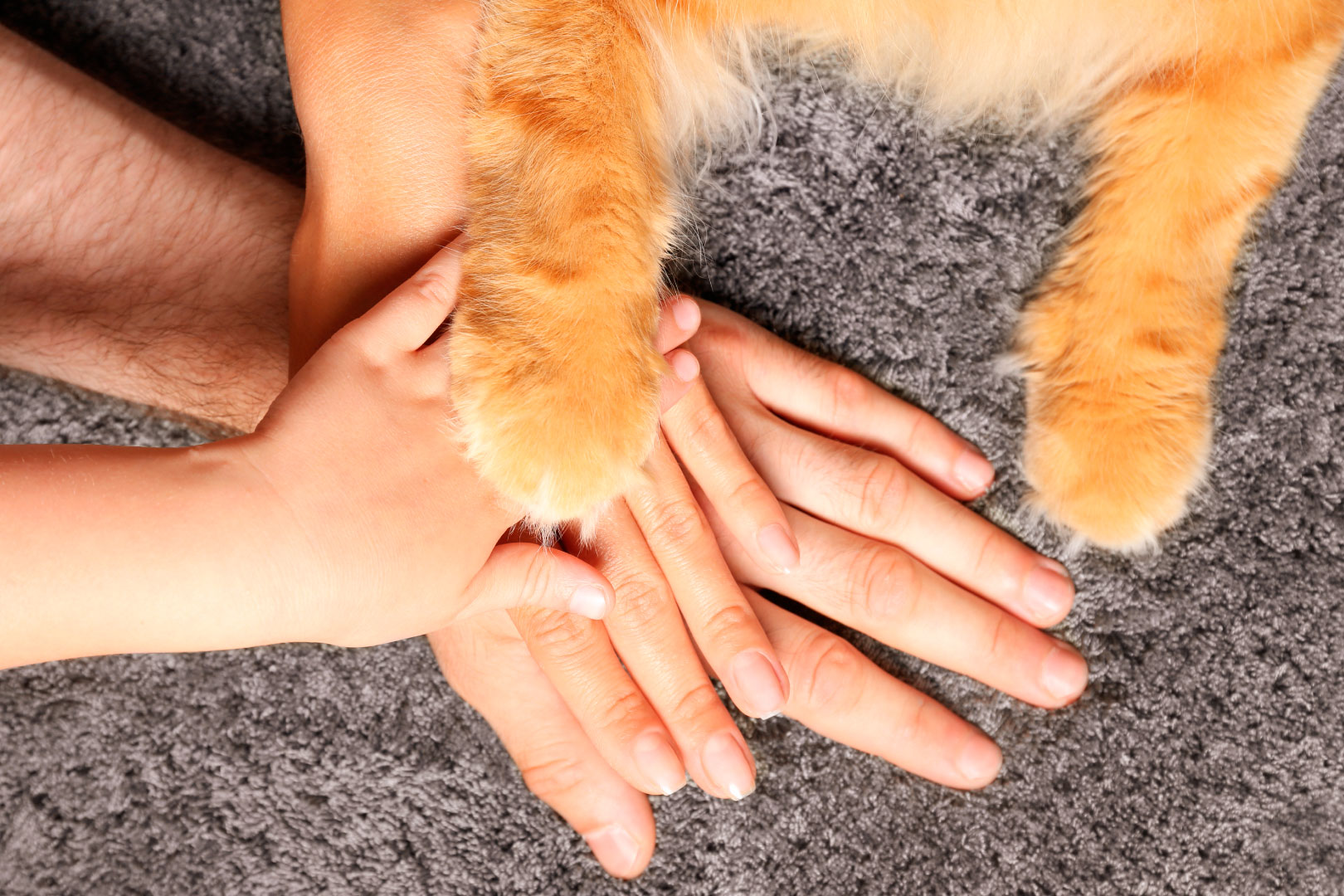
Cats may live in our homes, sleep on our beds, demand breakfast with impressive confidence, and still act like we are lucky to be included in their schedule. This naturally leads to one big question: how do cats actually see us?
Do they think we are large, strange cats? Do they see us as parents? Or are we something else entirely — a trusted provider, social partner, and safe place all in one?
The truth is more interesting than a simple yes or no. Cats do not understand humans the way we understand ourselves, but they do recognize us, learn our habits, respond to our voices, and build strong emotional bonds with familiar people.
In this article, we’ll explore what science and feline behavior experts suggest about how cats perceive humans, and what your cat’s everyday behavior may be trying to tell you.
Do Cats Think Humans Are Bigger Cats?
One popular idea is that cats see humans as oversized cats. While this is not literally proven, there is a reason the theory became so famous. Cats often use the same social behaviors with people that they use with other cats they trust.
When your cat rubs against your legs, greets you with an upright tail, gently bumps your hand with its head, or curls up beside you, it is using familiar feline communication. In other words, your cat may not think you are actually a cat, but it may treat you as part of its social world.
Pro Tip: If your cat rubs against you when you come home, take it as a positive sign. Your cat is not just being cute — it is reconnecting with you through scent and contact.
READ: How Cats Show Love to Their Owners
Do Cats See Humans as Parents?
Cats do not see people as parents in the human sense, but some cats do use their favorite person as a source of safety and comfort. Research has shown that cats can form attachment bonds with humans, similar in some ways to the bonds seen in children and dogs.
This does not mean your adult cat thinks it is a kitten forever. It means that a trusted human can become a secure base: someone the cat returns to when it feels unsure, stressed, or in need of comfort.
Or Are We Something Else Entirely?
The best answer may be: to cats, humans are something unique.
We are not exactly other cats, and we are not exactly parents. To many cats, we are a combination of:
- a familiar social partner
- a source of food and routine
- a safe presence
- a warm resting spot
- a predictable part of their territory
- someone who opens doors, fills bowls, and occasionally fails to understand meowing
Cats are very practical animals. They learn what works. If meowing brings attention, they meow. If sitting near you brings comfort, they sit near you. If knocking something off the table gets a reaction, well… they may also remember that.
UNLOCK VIDEO TRAINING & GET THE PREMIUM PACKAGE
Why Does Your Cat Rub Against You?
When cats rub their cheeks, body, or tail against you, they are using scent communication. Cats have scent glands around parts of the face and body, and rubbing helps create a familiar scent profile.
This behavior can mean affection, comfort, greeting, or social belonging. It is one of the ways your cat says, “You are familiar, you are part of my space, and I feel safe enough to be close to you.”
Pro Tip: Let your cat initiate contact when possible. A slow approach, a soft voice, and a relaxed hand can help your cat feel more in control and more willing to interact.
Why Does Your Cat Meow at You?
Adult cats do not rely on meowing with other cats in the same way they often use it with humans. Many cats learn that vocalizing is an effective way to communicate with people.
A meow can mean many things: “feed me,” “open the door,” “pay attention,” “where have you been,” or simply “I know this sound gets results.”
Studies also suggest cats can recognize their owner’s voice, even if they do not always respond in an obvious way. So yes, your cat may hear you. It may simply decide that moving is not necessary at that exact moment.
READ: Understanding Your Cat’s Meows and Purrs
What Does It Mean When Your Cat Follows You?
A cat that follows you from room to room may be showing curiosity, attachment, habit, or interest in whatever you are doing. Sometimes it is about food. Sometimes it is about companionship. Sometimes your cat simply wants to monitor its favorite human employee.
Following can be especially common in cats that feel strongly bonded to their person or cats that enjoy predictable routines. If your cat follows you calmly, rubs against you, sits nearby, or relaxes in the same room, it usually suggests comfort and trust.
However, if following is sudden, intense, paired with excessive vocalization, appetite changes, hiding, or stress, it may be worth speaking with a veterinarian.
How to Understand Your Cat Better
The easiest mistake humans make is interpreting cats only through human emotions. A cat’s love does not always look like a dog’s excitement or a person’s hug. Cats often show trust in quieter ways.
Signs your cat may feel safe with you include:
- relaxed body posture
- slow blinking
- sleeping near you
- rubbing against you
- greeting you with an upright tail
- gentle head bunting
- choosing to stay in the same room
- showing its belly while relaxed, even if it does not want belly rubs
On the other hand, flattened ears, a twitching tail, tense body, hiding, hissing, or sudden aggression may mean your cat feels stressed or overstimulated.
Pro Tip: A cat showing its belly is often showing trust, but not always asking to be touched. Watch the whole body before reaching in
So, How Does Your Cat Really See You?
Your cat probably does not place you into one simple category. You are not just a bigger cat, not exactly a parent, and definitely not just a food dispenser — although that part may be important.
To your cat, you are a familiar and meaningful being in its world. You are part of its routine, territory, comfort system, and social life. The bond may be subtle, but it is real.
Understanding how cats communicate helps us appreciate them on their own terms. They may not always come when called, but they recognize more than they let on. And when a cat chooses to trust you, sit near you, rub against you, or blink slowly in your direction, that quiet connection says a lot.
Want more expert tips on cat behavior and care?
Join thousands of satisfied pet owners who trust our expert advice and training programs. With our Premium Package, you’ll get access to:
✅ Expert video tutorials on cat behavior and communication.
✅ 24/7 support from professional trainers.
✅ Practical advice for building trust with your cat.
✅ Exclusive tips for creating a calmer, happier home environment.
Invest in your cat’s happiness today!