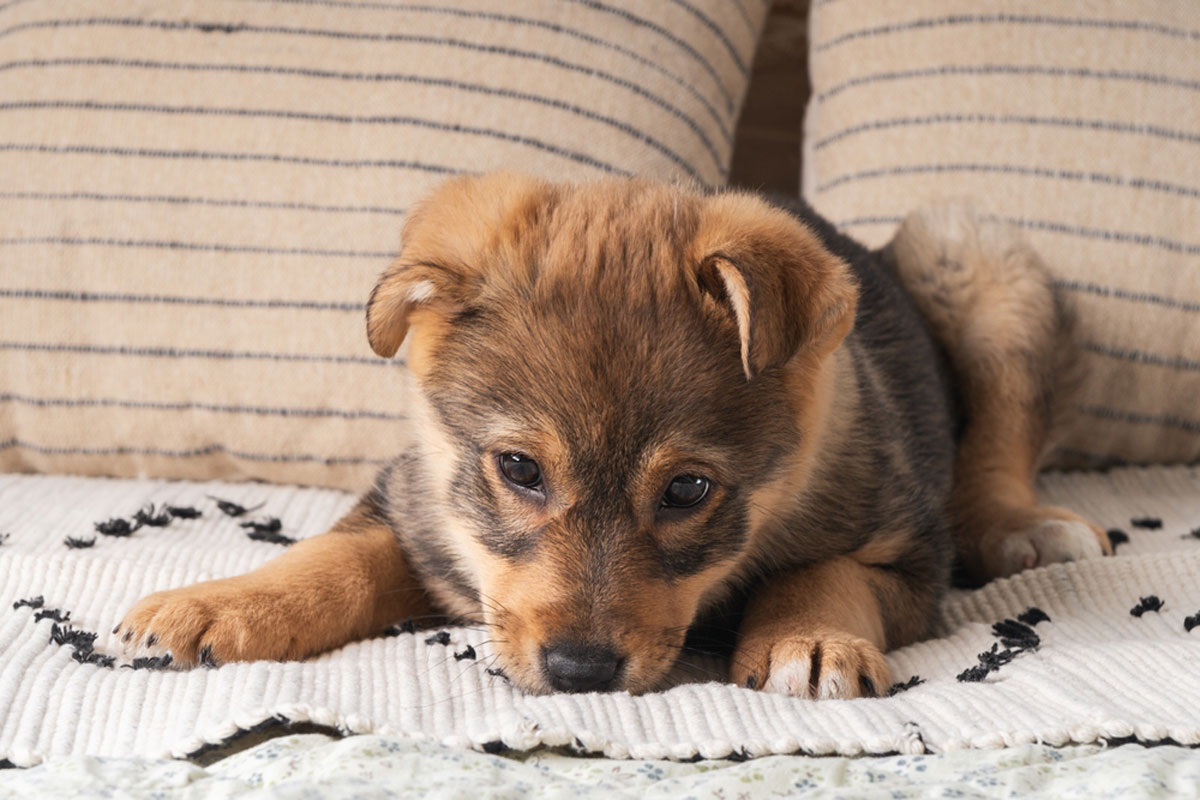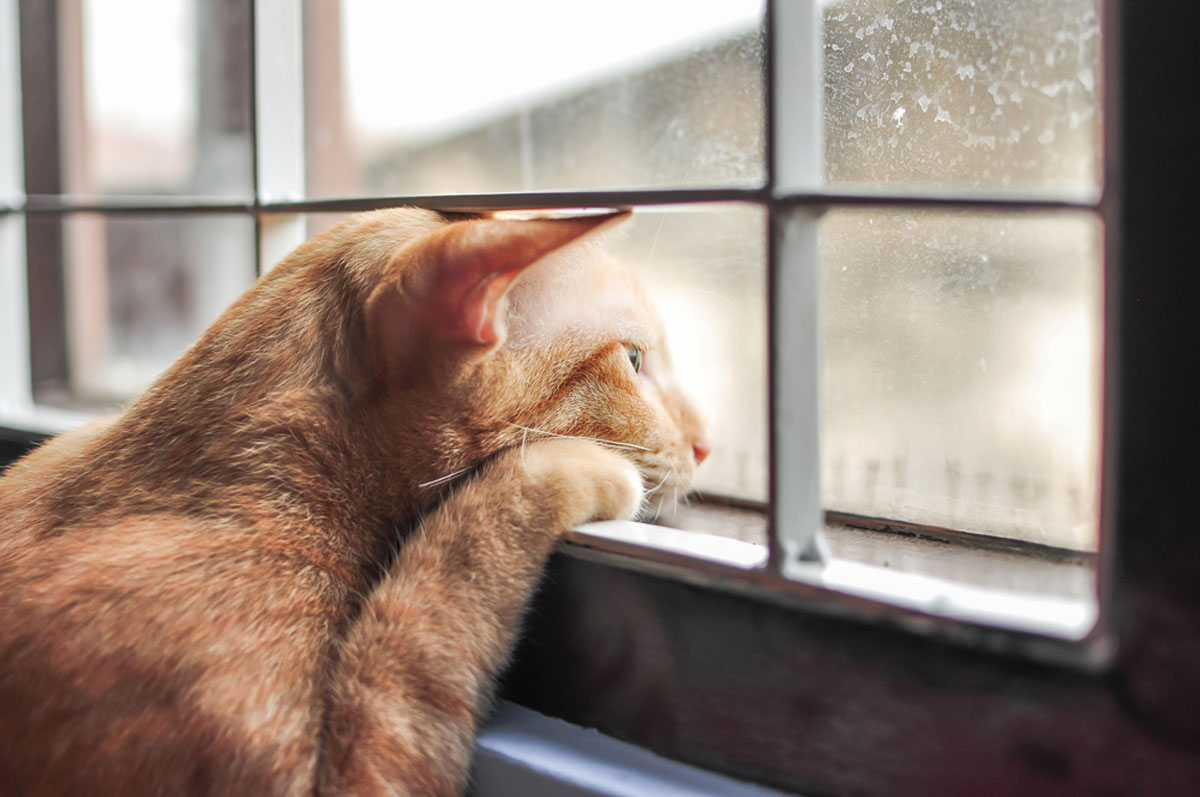
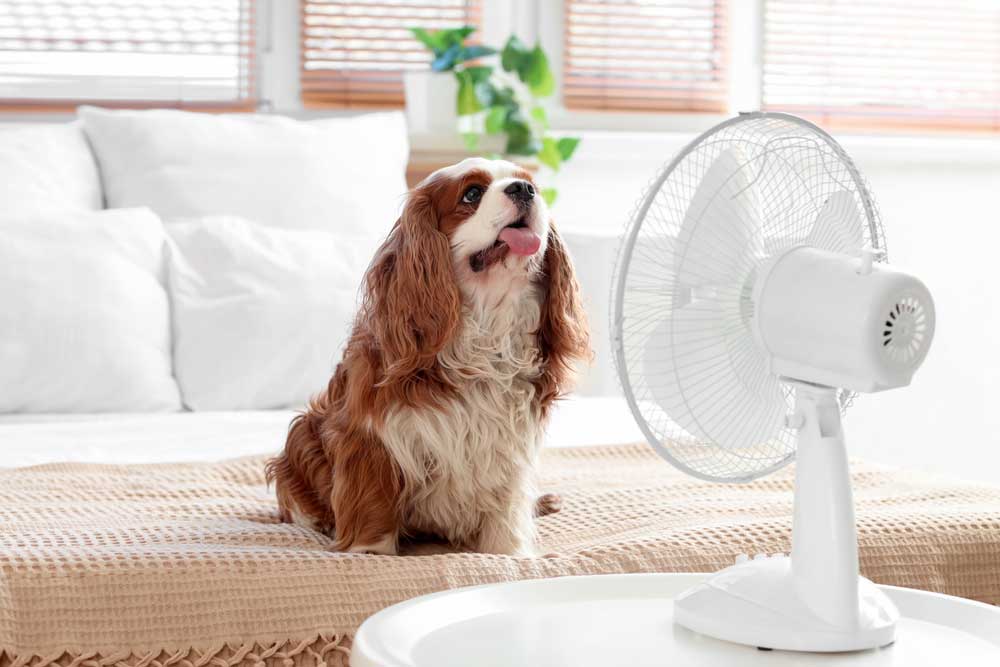
Dogs and cats do not cool down in the same way humans do. They rely on panting, shade, water, cooler surfaces, and a calm environment to regulate their body temperature. This means that even a day that feels only “warm” to us can be too much for a pet, especially if they are older, overweight, have a thick coat, or belong to a flat-faced breed.
The good news is that helping your pet cope with summer heat does not have to be complicated. With a few simple changes to your routine, you can make hot days much safer and more comfortable for your furry friend.
In this guide, we’ll explain how to help pets stay cool during summer, when to avoid outdoor activity, how to recognize warning signs, and what to do if your pet seems overheated.
1. Keep Fresh Water Available at All Times
Hydration is one of the most important parts of summer pet care. Dogs and cats can become dehydrated more quickly in hot weather, especially if they spend time outside, play actively, or travel by car.
Make sure your pet always has access to fresh, clean water. During very hot days, place more than one water bowl around the home, especially in rooms where your pet likes to rest. If your dog spends time outdoors, keep a bowl in the shade and check it often, because water can heat up quickly in the sun.
For cats, small changes can also help. Some cats prefer moving water, so a pet fountain may encourage them to drink more. Others may enjoy a few ice cubes in the bowl, as long as they are comfortable with it.
Pro Tip: If your pet is drinking much more or much less than usual, or if you notice weakness, vomiting, dry gums, or unusual behavior, contact your veterinarian.
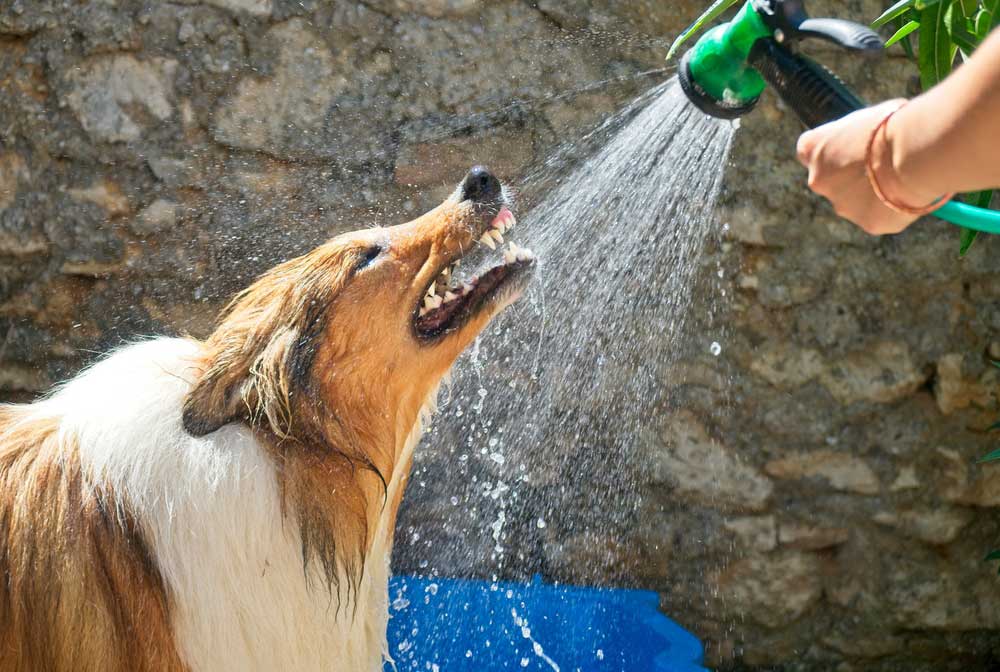
2. Create Cool and Comfortable Resting Spots
Pets often know where they feel most comfortable, but during summer they may need a little help finding cooler places to rest.
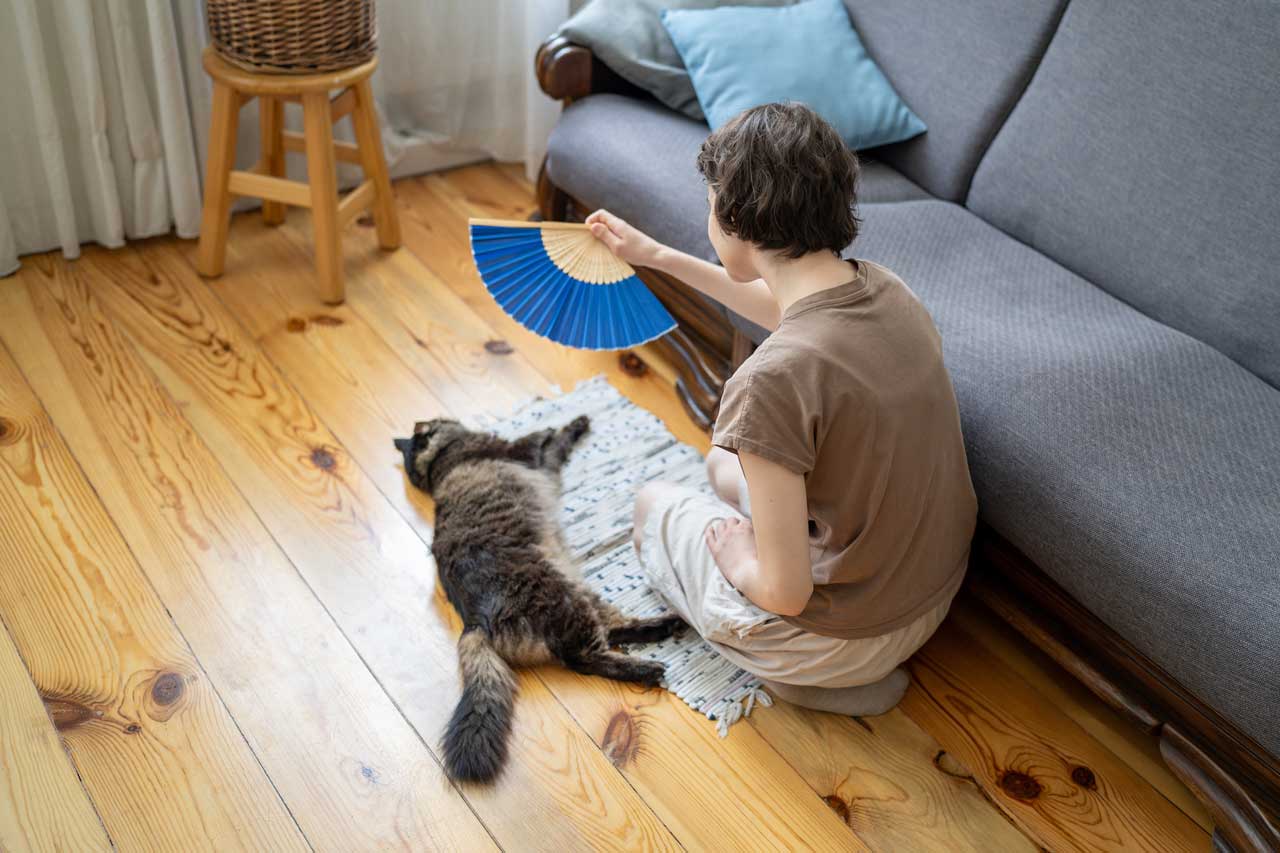
Keep curtains or blinds partially closed during the hottest part of the day, especially in rooms that receive strong sunlight. Let your pet rest on tile floors, cooling mats, or breathable bedding. Avoid thick blankets and beds that trap heat.
If your home gets very warm, fans or air conditioning can make a big difference. However, make sure your pet can move away if the airflow feels too strong. Comfort is about choice — your pet should have access to a cooler area, but also the freedom to choose where to lie down.
3. Walk Dogs Early in the Morning or Later in the Evening
For dogs, walks are important, but summer changes the rules. Midday walks can become risky because both air temperature and ground temperature can be too high.
Try to walk your dog early in the morning or later in the evening, when the air is cooler and pavements are less heated. Keep walks shorter during heatwaves and avoid intense running, long fetch sessions, or uphill routes.
A simple test can help: place the back of your hand on the pavement for a few seconds. If it feels too hot for your hand, it is too hot for your dog’s paws.
How to make summer walks safer:
- choose shaded routes
- carry water and a portable bowl
- avoid hot asphalt and concrete
- take breaks often
- keep walks shorter on very hot days
- never force a tired dog to continue walking
Pro Tip: Some dogs will keep playing even when they are already too hot. Watch your dog’s breathing, movement, and energy level, not just their enthusiasm.
🚀 UNLOCK VIDEO TRAINING & GET THE PREMIUM PACKAGE
4. Never Leave Pets Alone in a Parked Car
Even a short stop can be dangerous. The temperature inside a parked car can rise very quickly, even if the windows are slightly open or the car is parked in the shade.
If you are running errands, it is safer to leave your pet at home in a cool, comfortable space. If your pet must travel with you, plan ahead and make sure someone can stay with them, or choose pet-friendly stops where they can safely come with you.
When traveling by car, keep your pet properly secured, provide ventilation, and take breaks on longer trips. Fresh water, shade, and a safe travel setup are essential for summer journeys.
📖 READ: Safe Travels: How to Transport Your Dog Securely
5. Help Cats Stay Cool Indoors
Cats may not go on walks like dogs, but they still feel the heat. Indoor cats often seek cooler floors, shaded corners, sinks, bathtubs, or quiet rooms away from direct sunlight.
You can help by keeping their favorite resting spots cool and calm. Make sure food and water bowls are away from sunny windows, refresh water regularly, and avoid encouraging too much active play during the hottest hours.
If your cat enjoys playtime, schedule short sessions in the morning or evening. During extreme heat, let your cat rest more. Cats naturally reduce activity when they need to conserve energy.
Signs your cat may be uncomfortable in the heat include:
- hiding more than usual
- panting
- restlessness
- drooling
- weakness
- refusing food
- unusual vocalization
If your cat pants or seems weak, treat it as a warning sign and contact your veterinarian.
6. Know the Signs of Heatstroke
Heatstroke can become serious very quickly. Every pet owner should know the warning signs and act immediately if they appear.
Possible signs of overheating or heatstroke include:
- heavy panting
- difficulty breathing
- excessive drooling
- weakness or collapse
- vomiting
- uncoordinated movement
- bright red or very pale gums
- confusion or unusual behavior
If you suspect heatstroke, move your pet to a cooler place right away, offer water if they are alert and able to drink, and contact a veterinarian immediately. Do not wait to see if the symptoms will pass on their own.
Pro Tip: Cooling should be gradual. Move your pet out of the heat, use cool—not freezing—water on the body, and seek veterinary help as soon as possible.
Conclusion: A Cooler Pet Is a Safer Pet
Summer should be enjoyable for both people and pets, but hot weather requires extra attention. Fresh water, shade, cooler walking times, safe travel habits, and careful observation can help your pet feel more comfortable and protected.
The most important rule is simple: if it feels too hot for you, it may already be too hot for your pet.
By adjusting daily routines and recognizing early warning signs, you can help your dog or cat enjoy summer in a safer, calmer, and healthier way.
Want more expert pet care tips?
Join thousands of satisfied pet owners who trust our expert advice and training programs. With our Premium Package, you’ll get access to:
✅ Expert video tutorials on cat care and behavior.
✅ 24/7 support from professional trainers.
✅ Practical advice for keeping your cat active and healthy.
✅ Exclusive discounts on cat products and accessories.
Invest in your cat’s happiness today!