Keeping a cat happy and healthy means more than providing food, fresh water, and a clean litter box. Regular movement and mental stimulation are essential for maintaining a healthy weight, preventing boredom, reducing stress, and supporting your cat’s natural hunting instincts.
Although cats are famous for their love of sleep, a lifestyle with too little activity can gradually affect both their physical and emotional well-being. The good news is that helping your cat move more does not have to be complicated or expensive. With a few simple changes at home, you can turn everyday moments into opportunities for play, exploration, and healthy exercise.
In this article, we’ll explore the most common signs that your cat may not be moving enough, why activity matters, and how to encourage your pet to become more active in a safe and enjoyable way.
Why Is Movement Important for Cats?
Cats may look perfectly content spending most of the day curled up on the sofa, but their bodies and minds still need regular stimulation. Movement helps cats maintain a healthy weight, supports joint health, and keeps their muscles active.
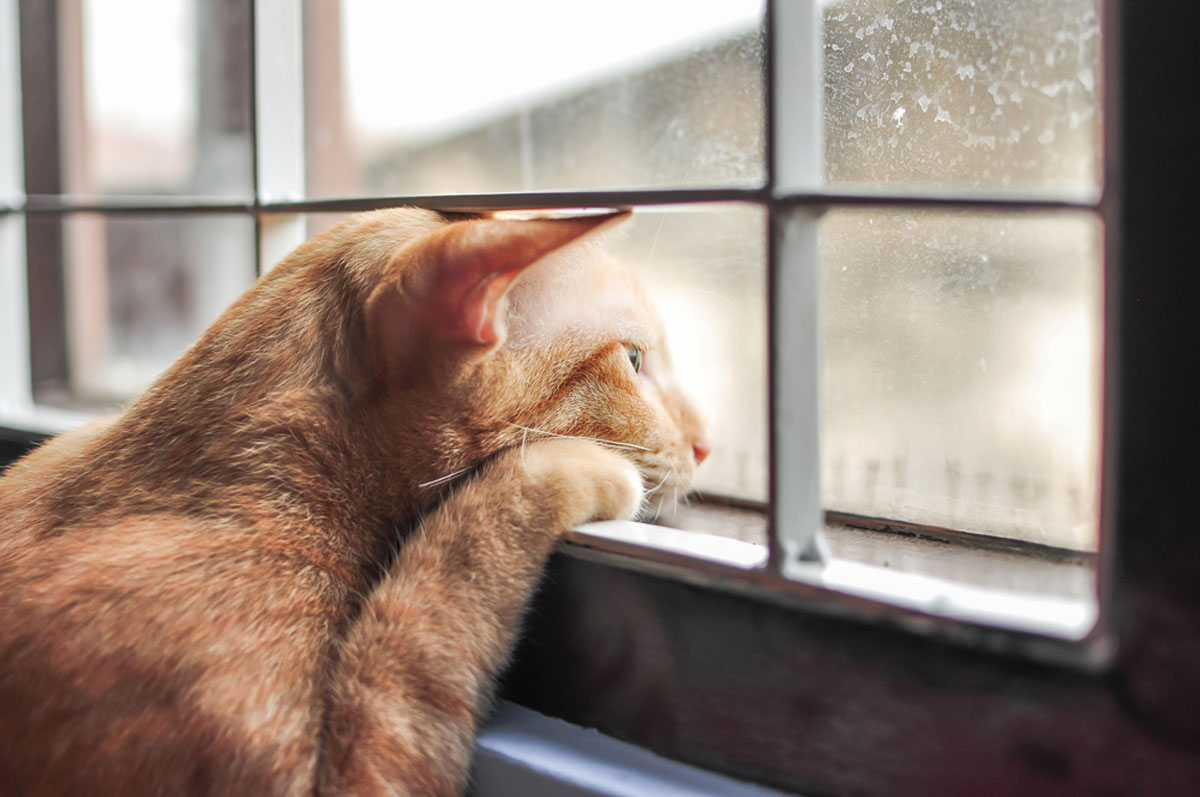
Just as importantly, play and exploration help prevent boredom. Indoor cats, in particular, do not have the same opportunities to hunt, climb, and investigate as cats that spend time outdoors. Without enough stimulation, they may become restless, stressed, or develop unwanted behaviors.
Regular activity can help with:
- maintaining a healthy body weight
- reducing stress and boredom
- encouraging natural hunting instincts
- supporting mobility and joint health
- improving overall well-being
Pro Tip: Even a few short play sessions during the day can make a difference, especially for indoor cats that spend most of their time in the same environment.
READ: Is Your Pet Overweight?
Two Signs Your Cat May Need More Exercise
It is not always easy to tell whether a cat is inactive because it is relaxed or because it needs more stimulation. However, there are two common signs that may suggest your cat should move more.
Excess Weight
One of the clearest signs that a cat is not active enough is weight gain. Indoor cats can easily put on extra weight because they often sleep for long periods and do not need to search or hunt for food.
If you notice that your cat is getting heavier, less agile, or less interested in jumping and climbing, it may be time to speak with your veterinarian. A vet can assess your cat’s body condition and help you create a safe plan that combines appropriate nutrition with gradual physical activity.
Destructive or Unusual Behavior
Lack of movement can also show up through behavior. A bored or under-stimulated cat may scratch furniture, knock things over, bite, scratch aggressively, or start acting out in ways that seem unusual.
In some cases, inappropriate behavior may also be linked to stress, anxiety, or a medical issue, so it is important not to assume that your cat is simply “being difficult.”
Pro Tip: If your cat suddenly becomes destructive, aggressive, or starts eliminating outside the litter box, consult a veterinarian to rule out health problems before treating it only as a behavior issue.
Simple Ways to Encourage Your Cat to Move More
You do not need a large budget or complicated equipment to help your cat become more active. Many cats respond well to simple toys and small changes in their environment.
Try introducing:
- balls that roll easily across the floor
- tunnels for hiding and chasing
- feather wands or teaser toys
- laser pointers used responsibly
- climbing trees or cat shelves
- puzzle feeders or treat-dispensing toys
The key is variety. Cats can lose interest quickly, so rotating toys every few days can make old toys feel exciting again.
UNLOCK VIDEO TRAINING & GET THE PREMIUM PACKAGE
Use Toys That Trigger Natural Instincts
Cats are natural hunters, so toys that imitate movement can be especially effective. A feather toy that moves like a bird or a small ball that rolls unpredictably can encourage your cat to stalk, chase, pounce, and jump.
Laser pointers can also be useful because they keep your cat engaged and moving. However, it is best to finish laser play with a physical toy or treat, so your cat has the satisfaction of “catching” something at the end of the game.
How to make playtime more effective:
- keep sessions short but frequent
- move toys in unpredictable patterns
- let your cat stalk before chasing
- allow rest breaks
- end playtime with a small reward
Respect Your Cat’s Limits
If your cat has been inactive for a while, especially if it is overweight, do not expect sudden bursts of energy. Just like people, cats need time to build stamina.
Start with short play sessions and observe your cat’s body language. If your cat lies down, walks away, breathes heavily, or loses interest, let it rest. Forcing activity can create stress and make your cat less willing to play in the future.
A safe routine may include several short sessions throughout the day rather than one long play period. Over time, your cat may naturally become more active as its strength and confidence improve.
Create a More Stimulating Home Environment
Exercise is not only about running and jumping. Cats also need opportunities to climb, observe, hide, scratch, and explore. A stimulating home environment can encourage natural movement even when you are not actively playing with your cat.
Consider adding:
- a cat tree near a window
- safe shelves or elevated resting spots
- scratching posts in different rooms
- cardboard boxes or tunnels
- rotating toys placed around the home
- puzzle feeders that make mealtime more engaging
Small changes can give your cat more reasons to move during the day.
READ: Creating the Purr-fect Environment for Your Indoor Cat
When Should You Talk to a Veterinarian?
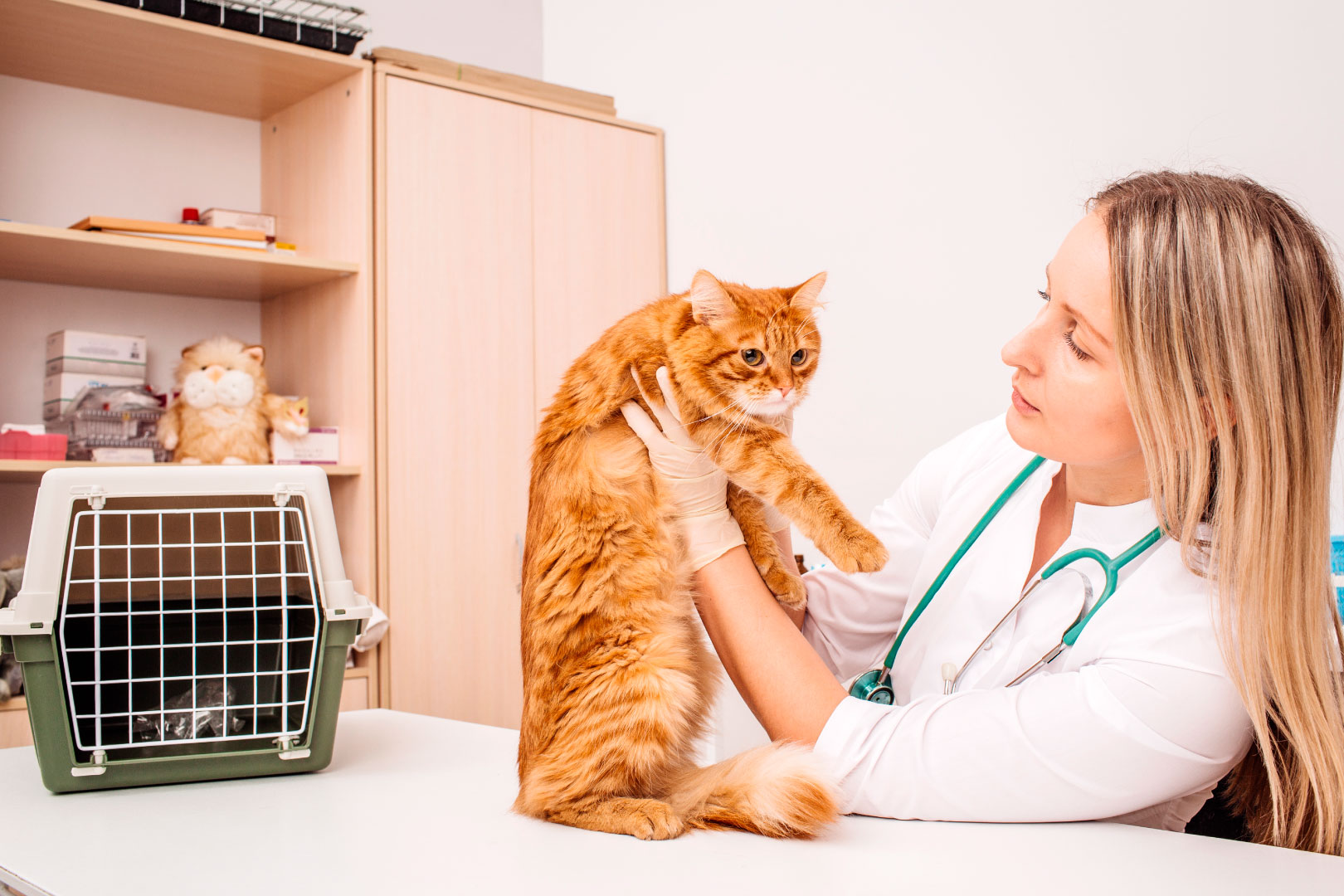
If your cat suddenly becomes less active, gains weight quickly, avoids jumping, seems stiff, or shows signs of pain, it is best to consult a veterinarian. Reduced movement can sometimes be linked to arthritis, injury, obesity, stress, or other health concerns.
Veterinary guidance is especially important if your cat is older, overweight, or has existing medical conditions. A professional can recommend an activity plan that is safe for your cat’s age, weight, and overall health.
Understanding Your Cat’s Need for Movement
A less active cat is not always a cause for panic, but it should not be ignored either. Movement, play, and mental stimulation are important parts of your cat’s daily well-being.
By paying attention to changes in weight, mood, and behavior, and by introducing simple forms of play and enrichment, you can help your cat stay healthier, happier, and more engaged. The best approach is gentle, consistent, and adapted to your cat’s personality.
Want more expert tips on cat behavior and care?
Join thousands of satisfied pet owners who trust our expert advice and training programs. With our Premium Package, you’ll get access to:
✅ Expert video tutorials on cat care and behavior.
✅ 24/7 support from professional trainers.
✅ Practical advice for keeping your cat active and healthy.
✅ Exclusive discounts on cat products and accessories.
Invest in your cat’s happiness today!