
A vacation is always more special when the whole family can enjoy it together — and for many pet owners, that includes a dog or cat. Whether you are heading to the seaside, the mountains, a countryside retreat, or a pet-friendly hotel, traveling with a pet can be a wonderful experience.
But a successful trip starts before you leave home. Pets rely on routine, familiar smells, safe spaces, and their owners’ calm energy. A new place, a long drive, different sounds, and changes in schedule can be exciting, but also stressful if your pet is not properly prepared.
The good news is that traveling with a pet does not have to be complicated. With good planning, the right essentials, and a few simple safety rules, your vacation can be more relaxed for both you and your furry companion.
In this guide, we’ll explain how to prepare for a vacation with your pet, what to pack, how to make travel safer, and how to help your dog or cat adjust once you arrive.
1. Check Pet-Friendly Rules Before You Book
Before choosing accommodation, make sure pets are truly welcome — not just allowed. Some hotels, apartments, campsites, and resorts accept pets but have specific rules about size, breed, number of pets, extra fees, or areas where animals are permitted.
It is always better to check everything in advance. Ask whether your pet can stay in the room, whether there are outdoor areas nearby, and if there are any restrictions regarding common spaces, beaches, restaurants, or elevators.
If you are traveling abroad, check entry requirements for pets in the destination country before booking. Depending on where you travel, your pet may need a microchip, passport, vaccination proof, parasite treatment, or additional veterinary documentation.
Pro Tip: Save all pet-related confirmations, rules, and documents on your phone and keep a printed copy with you, especially if you are crossing borders.
2. Visit the Veterinarian Before the Trip
A quick veterinary check-up before vacation can help you travel with more peace of mind. Your vet can confirm that your pet is healthy enough for travel, update vaccinations if needed, and recommend protection against fleas, ticks, mosquitoes, or other parasites depending on your destination.
This is especially important if your pet is older, has a medical condition, gets carsick, or becomes very anxious during travel. Your veterinarian can advise you on safe solutions and help you prepare for possible problems before they happen.
Ask your vet about:
- vaccination status
- parasite protection
- motion sickness
- anxiety during travel
- medication your pet may need
- emergency signs to watch for
- food and hydration during the trip
Pro Tip: Do not give your pet any calming medication or human medicine without veterinary advice.
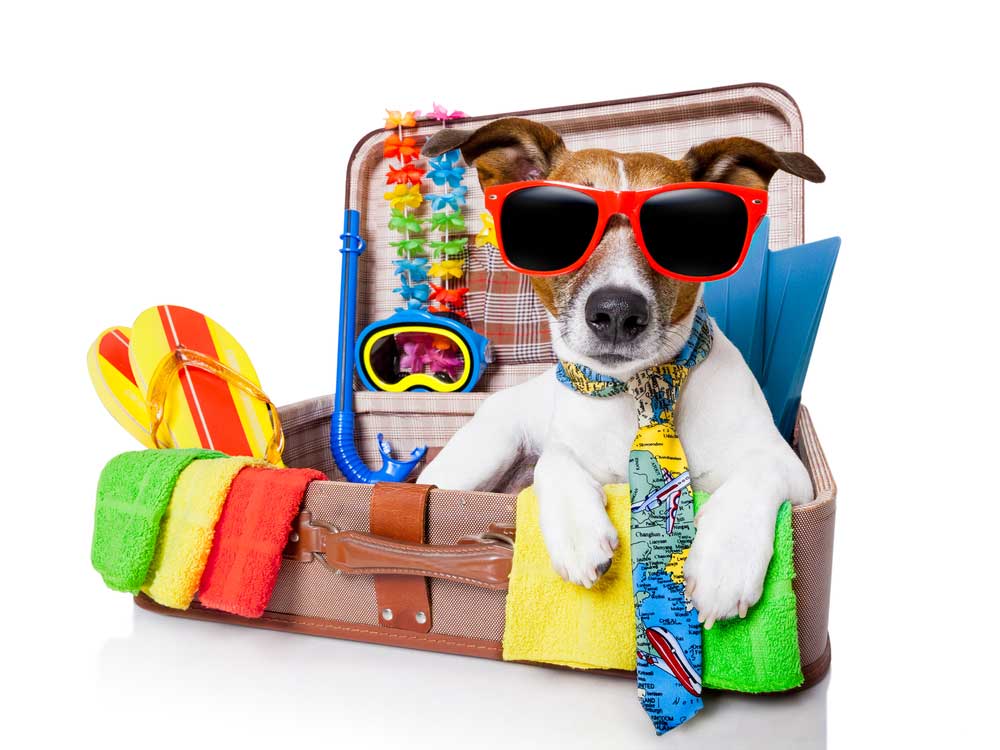
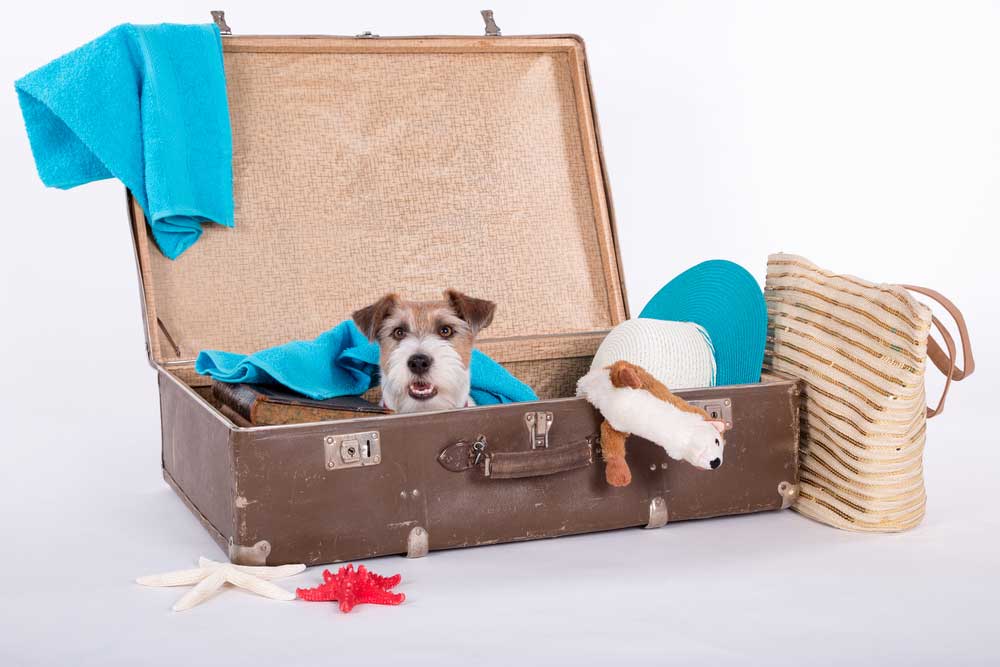
3. Pack a Pet Travel Bag
Just like you pack your own suitcase, your pet should have a dedicated travel bag. Keeping everything in one place makes the journey easier and helps you avoid last-minute stress.
A useful pet travel checklist includes:
- food for the whole trip
- fresh water and portable bowl
- regular food and water bowls
- leash, collar, harness, and ID tag
- waste bags or litter supplies
- pet passport or health documents
- medication, if needed
- towel or blanket
- favorite toy
- bed or familiar mat
- grooming wipes or brush
- first-aid basics recommended by your vet
- treats for positive reinforcement
For cats, remember to bring a secure carrier, litter box, litter, and something familiar from home, such as a blanket with their scent. For dogs, pack a long leash if you plan outdoor walks, but always check local rules before letting your dog explore freely.
4. Make the Journey Safe and Comfortable
Whether you are traveling by car, train, or plane, your pet should be safely secured and as comfortable as possible. A loose pet in a car can distract the driver or get injured during sudden braking.
Small pets should travel in a well-ventilated carrier that is large enough for them to stand, turn around, and lie down. Medium and large dogs should use a car safety harness attached to the seat belt, or travel in a secured crate placed safely in the back.
During longer trips, plan regular breaks so your dog can drink water, stretch, and go potty. Avoid feeding your pet a large meal right before departure, especially if they are prone to nausea.
How to make travel easier:
- secure your pet properly
- keep the car ventilated
- bring fresh water
- stop regularly on long drives
- avoid leaving your pet alone in the car
- keep the temperature comfortable
- use familiar blankets or toys for comfort
Pro Tip: Never let your dog ride with its head out of the window. Wind, dust, insects, and sudden movement can cause injuries.
📖 READ: How to Travel with a Pet – Tips and Essentials for a Stress-Free Trip
5. Protect Your Pet from Heat
Summer vacations often mean high temperatures, and pets can overheat faster than people. Dogs and cats do not cool down in the same way humans do, so they need access to shade, water, cooler surfaces, and rest.
Avoid walking your dog during the hottest part of the day. Early morning and evening walks are safer, especially if the pavement is hot. If the ground feels too hot for your hand, it is too hot for your dog’s paws.
Never leave your pet alone in a parked car, even for a short time. The temperature inside a vehicle can rise quickly, even with the windows slightly open.
Signs your pet may be too hot include:
- heavy panting
- excessive drooling
- weakness
- restlessness
- vomiting
- confusion
- collapse
If you suspect overheating, move your pet to a cooler place, offer water if they can drink, and contact a veterinarian immediately.
6. Keep Your Pet’s Routine as Familiar as Possible
New places can be exciting, but they can also be overwhelming. Pets feel safer when some parts of their routine stay the same.
Try to keep feeding times, walks, playtime, and rest periods close to your usual schedule. Bring familiar items from home, such as a blanket, toy, or bed. These smells can help your pet feel more secure in a new environment.
For cats, give them time to explore slowly. Start with one quiet room where they can find their carrier, litter box, water, and hiding spot. Do not force interaction or exploration. Let your cat adjust at its own pace.
For dogs, take a calm walk around the new area and allow them to sniff. This helps them understand the environment and feel more confident.
Pro Tip: If your pet is nervous, avoid overwhelming them with visitors, loud places, or too many new experiences on the first day.
7. Plan for Emergencies Before You Need Them
Nobody wants to think about emergencies during vacation, but a little preparation can make a big difference.
Before you leave, find the nearest veterinary clinic at your destination and save the address and phone number. If you are traveling to a remote place, check where the closest emergency vet is located.
It is also helpful to have recent photos of your pet on your phone, in case they get lost. Make sure your pet’s ID tag has up-to-date contact information, and if your pet is microchipped, check that the registration details are current.
Emergency preparation should include:
- local veterinary clinic contact
- emergency vet contact
- pet documents
- recent photos of your pet
- updated ID tag
- basic first-aid supplies
- any regular medication
Pro Tip: A pet that is usually calm at home may react differently in an unfamiliar place. Keep doors, windows, balconies, and garden gates secure.
8. Respect Your Pet’s Limits
Not every pet enjoys every type of vacation. Some dogs love beaches, hiking, and outdoor cafés. Others prefer quiet places and short walks. Many cats may feel safer staying at home with a trusted sitter rather than traveling.
The best vacation plan is the one that matches your pet’s personality, age, health, and comfort level. Watch their body language. If your pet is hiding, panting, refusing food, shaking, vocalizing more than usual, or trying to escape, they may be stressed.
A happy trip does not mean doing everything together all the time. Sometimes the kindest choice is giving your pet quiet rest while you enjoy part of the day separately.
📖 READ: How to Recognize Stress in Your Cat and Help Them Relax
Conclusion: Good Preparation Makes a Happier Trip
Traveling with a pet can create beautiful memories, but it works best when comfort and safety come first. Check pet-friendly rules, visit your vet, pack carefully, secure your pet during travel, protect them from heat, and keep their routine as familiar as possible.
A well-prepared pet owner can prevent many common travel problems before they start.
With the right planning, your dog or cat can enjoy the vacation in a safer, calmer, and more comfortable way — and you can relax knowing that your furry companion has everything they need.
Want more expert tips on cat behavior and care?
Join thousands of satisfied pet owners who trust our expert advice and training programs. With our Premium Package, you’ll get access to:
✅ Expert video tutorials on cat care and behavior.
✅ 24/7 support from professional trainers.
✅ Practical advice for keeping your cat active and healthy.
✅ Exclusive discounts on cat products and accessories.
Invest in your cat’s happiness today!