To people, cat behavior can sometimes look strange, dramatic, or even a little mysterious. But many of the things cats do have a reason behind them. Their bodies, instincts, senses, and social habits are shaped by thousands of years of evolution — and even the most pampered indoor cat still carries a little wild hunter inside.
The more you understand these small but fascinating facts, the easier it becomes to understand your cat’s daily behavior. Here are some surprising cat facts that may help you see your feline friend in a completely new way.
Cats Sleep for Most of Their Lives
If your cat seems to spend the day moving from one nap spot to another, that is not laziness — it is biology. Cats can sleep for around 13 to 16 hours a day, which means they may spend a large part of their life resting.
Cats are natural hunters, and hunting requires short bursts of intense energy. Even if your cat’s “hunt” today is only chasing a toy mouse or attacking your shoelace, their body is still designed to conserve energy between active periods
Pro Tip: If your cat sleeps a lot but still eats normally, plays, stretches, grooms, and behaves as usual, it may simply be following its natural rhythm. If your cat suddenly becomes much more tired than usual, speak to a veterinarian.
📖 READ: Is Your Cat Not Moving Enough? Here’s What Veterinarians Recommend
Your Cat May Be Faster Than You Think
That calm little creature on your sofa can turn into a tiny rocket when the mood strikes. Domestic cats can run surprisingly fast in short bursts, especially when they are excited, scared, or in hunting mode. Domestic cats can reach impressive speeds, which explains why those sudden “zoomies” can look so dramatic.
This speed helps cats chase, escape, jump, and react quickly. In the home, it often appears as a sudden sprint across the room, usually at the least convenient time.
The famous “evening zoomies” are often your cat’s way of releasing energy. Indoor cats, especially, need opportunities to run, climb, jump, and play.
Pro Tip: A short play session before bedtime can help your cat use up extra energy and may make the night calmer for both of you.
Cats Walk in a Very Unusual Way
Cats have a special walking pattern that makes their movement look smooth, quiet, and controlled. They move both legs on one side of the body, then both legs on the other side.
This kind of movement helps cats stay balanced and precise. It is one reason they can move so silently, squeeze through narrow spaces, and walk along edges with such confidence.
Of course, this does not mean every cat is graceful all the time. Many cat owners know that even the most elegant feline can misjudge a jump, slide off a table, or pretend nothing happened after an awkward landing.
Cats Rub Against You for a Reason
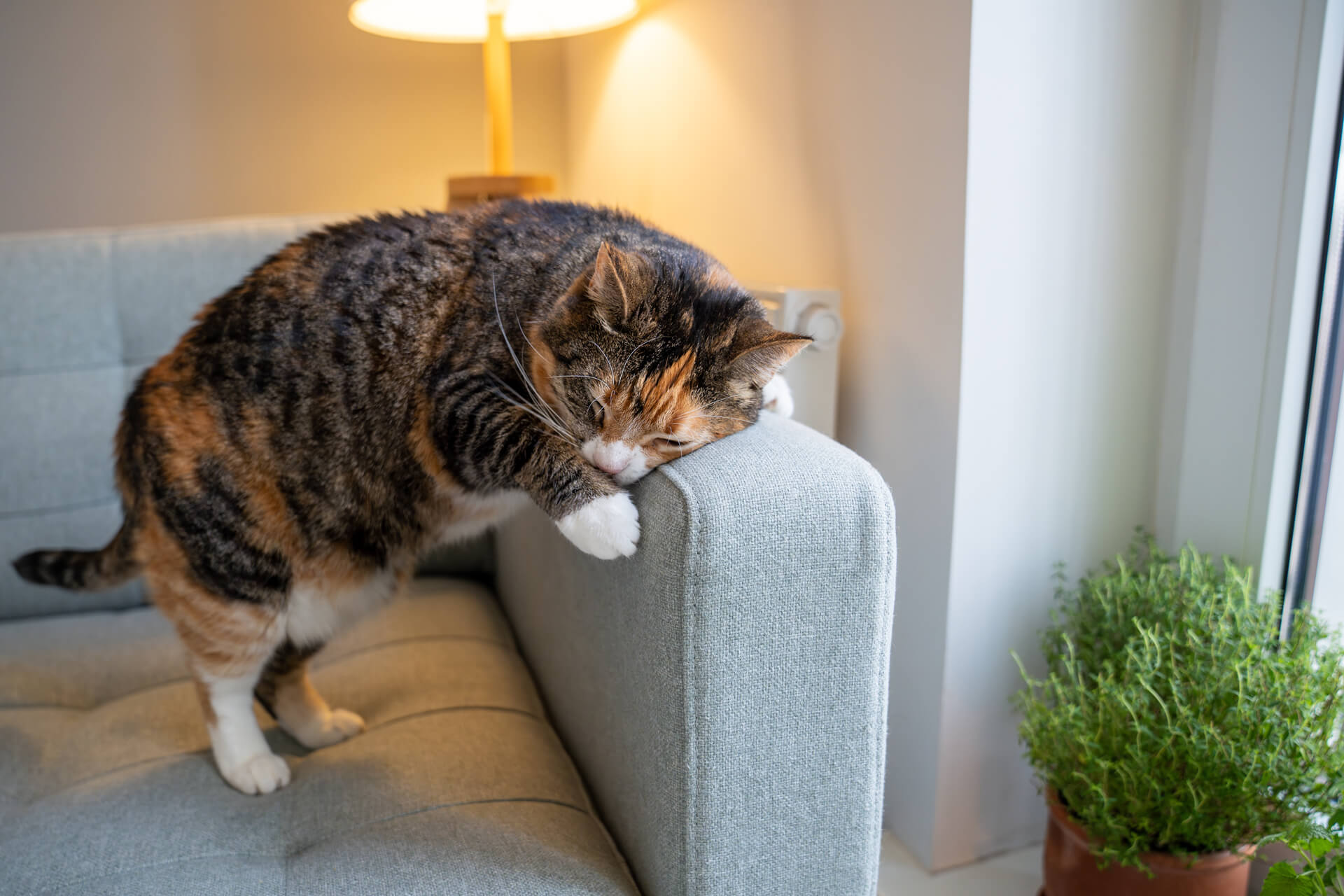
When your cat rubs its face, body, or tail against you, it is not just being cute. Cats have scent glands around the face and body, and rubbing helps them leave a familiar scent on people, objects, and spaces they trust.
In cat language, rubbing can mean comfort, greeting, belonging, and social bonding. Your cat may be saying, in its own way, “You are part of my safe world.”
This is also why cats rub against furniture, door frames, bags, or new objects in the home. They are making the environment smell familiar again.
Pro Tip: Let your cat initiate contact when possible. If your cat rubs against you, slow blinking, a soft voice, or a gentle hand offered calmly can help strengthen trust.
📖 READ: How Do Cats Really See Humans?
Cats Do Not Meow at Other Cats the Same Way They Meow at Us
Adult cats use body language, scent, posture, and sound to communicate, but many cats reserve their most expressive meows for humans. Over time, cats learn that meowing gets results: food, attention, an open door, or a response.
Your cat may have different meows for different situations. One may mean breakfast, another may mean “look at me,” and another may simply mean “I have entered the room and everyone should know.”
This does not mean cats are manipulating us in a bad way. It means they are intelligent enough to learn which sounds work with their favorite humans.
Pro Tip: Pay attention to the context. A meow near the food bowl, a meow at the door, and a meow while staring at you from across the room may all mean different things.
Cats Are Still Tiny Hunters at Heart
Even when they live indoors, cats keep many natural hunting instincts. They stalk, chase, pounce, grab, bite, and kick because these behaviors are deeply built into them.
That is why toys that move unpredictably are often more exciting than toys that simply sit on the floor. Feather wands, small balls, tunnels, puzzle feeders, and treat-dispensing toys can all help your cat use its body and brain in a healthy way.
When cats do not get enough stimulation, they may become bored, frustrated, or overly focused on things you would rather they leave alone — like your curtains, cables, or ankles.
Pro Tip: Make play feel like a hunt. Let your cat stalk, chase, catch, and “win” before ending the session. A small treat or meal afterward can make the experience more satisfying.

Cats Can Form Strong Bonds With Humans
Cats are often described as independent, but independent does not mean unemotional. Many cats form deep bonds with their owners and feel safest around familiar people.
Your cat may show affection in quiet ways: sleeping near you, following you from room to room, rubbing against your legs, slow blinking, sitting close but not on your lap, or simply choosing to be in the same space.
Some cats are very cuddly. Others prefer distance. Both can be signs of trust, depending on your cat’s personality.
The important thing is to understand your cat’s comfort level instead of expecting every cat to behave the same way.
Pro Tip: A cat that chooses to sit near you, even without touching you, may still be showing affection. For many cats, closeness is a compliment.
Cats Love Routine More Than We Realize
Cats may look mysterious, but many of them are creatures of habit. They notice when feeding time changes, when furniture moves, when a new person visits, or when their favorite blanket disappears.
Routine helps cats feel safe. Predictable feeding times, familiar resting spots, regular play, and a calm environment can make a big difference, especially for indoor cats or nervous cats.
This is also why travel, moving house, loud guests, or sudden changes can be stressful. What looks small to us may feel big to a cat.
Pro Tip: If you need to change something in your cat’s environment, do it gradually when possible. Familiar smells, toys, beds, and routines can help your cat adjust.
📖 READ: Vacation with Your Pet – What to Pack and How to Prepare
Cats Are Not as Mysterious as They Seem
Cats may never be completely predictable, and honestly, that is part of their charm. But many “strange” cat behaviors make more sense when you understand their instincts.
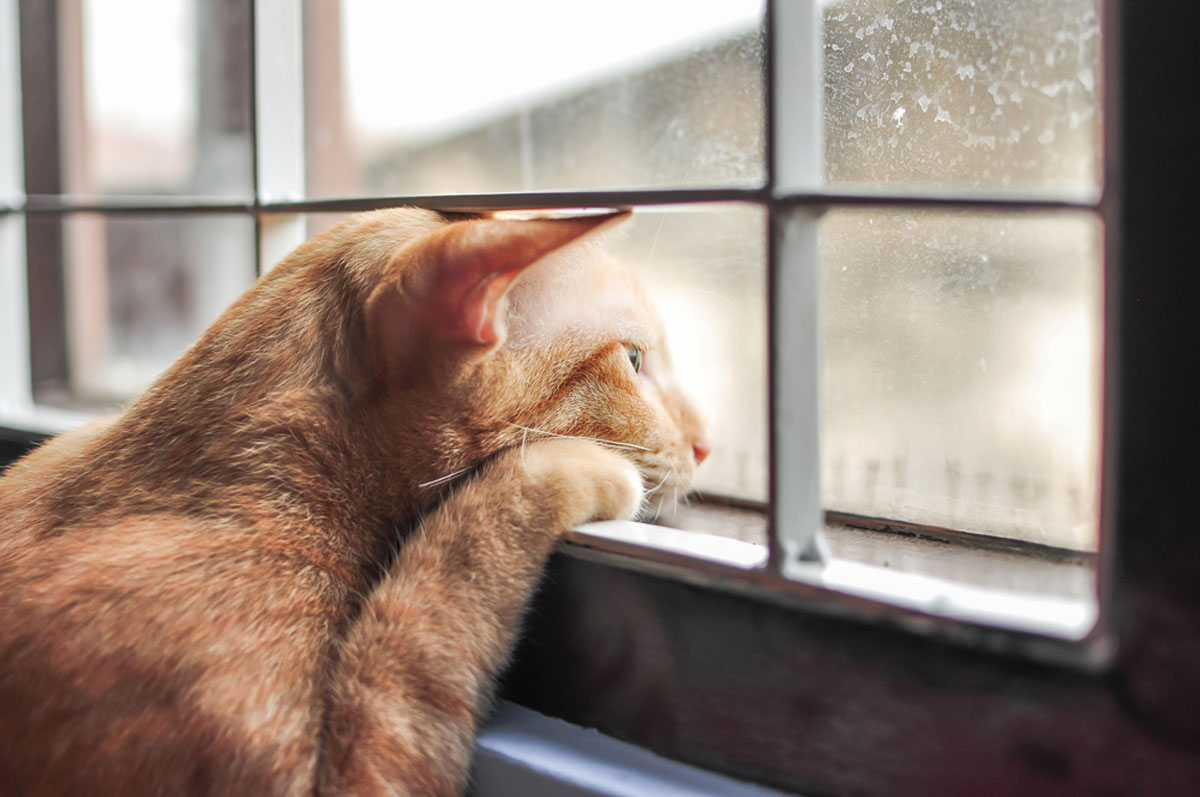
Sleeping all day, running through the house, rubbing against your legs, staring out the window, hiding in boxes, or meowing at exactly the right moment are all part of how cats experience the world.
They are hunters, observers, routine-lovers, comfort-seekers, and social partners — all at the same time.
The more you learn about your cat, the easier it becomes to recognize what it needs: more play, more rest, more space, more comfort, or simply a little more patience from the human who shares its home.
Conclusion: Every Cat Has a Secret World
Cats are full of surprises, but their behavior is rarely random. Behind every nap, sprint, rub, meow, jump, and slow blink, there is usually a mix of instinct, communication, comfort, and personality.
Understanding these facts helps you see your cat not as a mystery to solve, but as a companion with its own way of thinking and communicating.
And once you learn to read those small signals, life with a cat becomes even more rewarding — because every funny habit starts to tell a story.
Want more expert tips on cat behavior and care?
Join thousands of satisfied pet owners who trust our expert advice and training programs. With our Premium Package, you’ll get access to:
✅ Expert video tutorials on cat care and behavior.
✅ 24/7 support from professional trainers.
✅ Practical advice for keeping your cat active and healthy.
✅ Exclusive discounts on cat products and accessories.
Invest in your cat’s happiness today!