The more you understand these small but fascinating facts, the easier it becomes to understand your dog’s daily behavior. Here are some surprising dog facts that may help you see your loyal friend in a completely new way.
Dogs Experience the World Through Their Nose
If your dog stops to sniff every tree, corner, bag, shoe, or random patch of grass, it is not just being stubborn. For dogs, smell is one of the most important ways to understand the world.
A walk is not only exercise. It is also your dog’s version of reading the news. Every scent can tell them something about other animals, people, food, weather, or places they have visited before.
This is why rushing every walk can feel frustrating for a dog. Sniffing helps them explore, think, relax, and feel more connected to their environment.
Pro Tip: Let your dog enjoy safe sniffing time during walks. A few extra minutes of sniffing can be mentally enriching and may help your dog feel calmer afterward.
📖 READ: How to Properly Reward Your Dog – Praise vs. Treats
Your Dog May Understand More Than You Think
Dogs may not understand language the same way humans do, but many of them can learn words, routines, tones, and body language very well.
Your dog may know the difference between “walk,” “treat,” “car,” “vet,” and “bath” — sometimes before you even finish the sentence. They also pay attention to your voice, facial expressions, gestures, and daily habits.
That is why your dog may get excited when you pick up your keys, sad when you pack a suitcase, or suspicious when you use a cheerful voice before something they do not enjoy.
Pro Tip: Use simple, consistent words when training or giving instructions. Dogs learn faster when the same word is connected to the same action every time.
Dogs Follow You Around Because You Matter to Them
If your dog follows you from the kitchen to the bathroom and then back to the sofa, it may feel like you have a very loyal assistant. In many cases, that is exactly how your dog sees it.
Dogs are social animals, and many of them feel safest when they are near their favorite people. Following you can be a sign of affection, curiosity, routine, or simply the desire to be included.
Of course, some dogs are more independent than others. But for many dogs, being close to you is one of the most comforting parts of the day.
Dogs Tilt Their Heads for a Reason
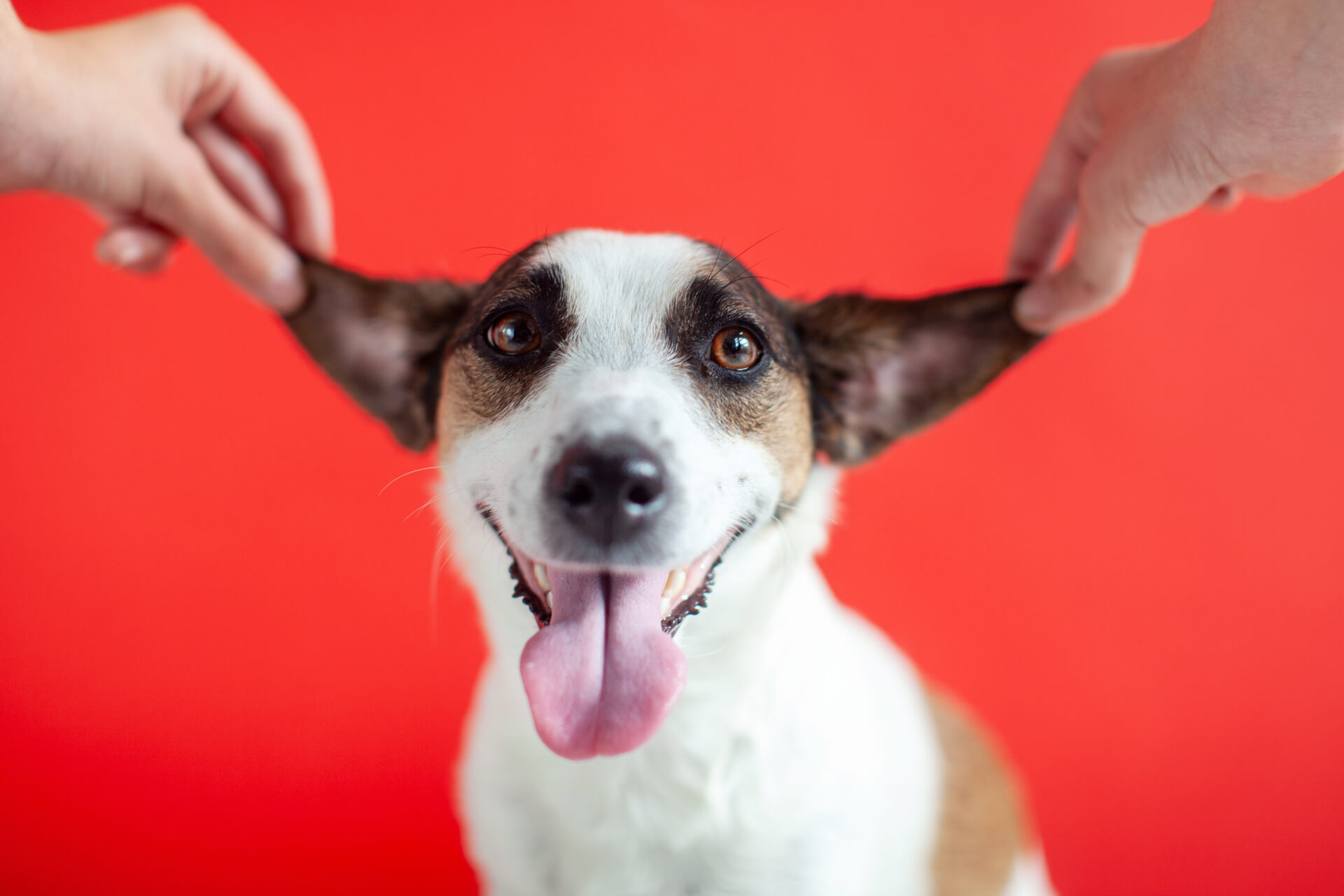
Few things are cuter than a dog tilting its head while looking at you. It often seems like they are trying very hard to understand what you are saying.
In some cases, they probably are. A head tilt may help dogs focus on sounds, locate where a noise is coming from, or better read your facial expression. It can also happen when they hear a familiar word, an unusual sound, or a tone that catches their attention.
Sometimes, dogs also learn that head tilting gets a positive reaction from humans — smiles, laughter, attention, and maybe even a treat.
Pro Tip: If your dog suddenly starts tilting its head frequently, losing balance, or scratching its ears, contact a veterinarian to rule out an ear issue.
📖 READ: Body Language of Dogs and Cats: What Are Your Pets Actually Telling You?
Dogs Dream While They Sleep
If you have ever seen your dog twitch, move its paws, make soft noises, or wiggle its nose while sleeping, you may have watched your dog dream.
Dogs go through different sleep stages, and during deeper sleep they may dream about things from their daily life: running, playing, sniffing, chasing, eating, or spending time with their humans.
Puppies and older dogs may seem especially active during sleep. This can look funny, but in most cases it is completely normal.
Pro Tip: Let sleeping dogs rest. If your dog seems to be dreaming, avoid waking them suddenly, as they may feel confused or startled.
Dogs Use Their Tails for More Than Happiness
A wagging tail does not always mean a dog is happy. Tail movement can show many emotions, including excitement, curiosity, nervousness, confidence, uncertainty, or alertness.
The position of the tail, speed of movement, body posture, ears, eyes, and overall situation all matter. A loose, relaxed wag usually feels different from a stiff, tense wag.
This is why it is important to look at the whole dog, not just the tail. Dogs communicate with their entire body.
Pro Tip: Teach children to notice a dog’s full body language before approaching. A wagging tail is only one part of the message.
Dogs Can Feel Routine Changes Very Quickly
Dogs are excellent at noticing patterns. They know when it is time for breakfast, when you usually leave the house, when you come home, and when something in the routine feels different.
This is why some dogs wait by the door before their owner arrives, become excited before walk time, or get nervous when they see a suitcase.
Routine helps many dogs feel safe. Predictable feeding, walks, play, rest, and training can make daily life calmer and easier for them.
Pro Tip: If you need to change your dog’s routine, do it gradually when possible. Small changes are easier for dogs to adjust to than sudden disruptions.
📖 READ: Vacation with Your Pet – What to Pack and How to Prepare
Dogs Need Mental Exercise, Not Just Physical Exercise
A tired dog is not always a dog that has run for hours. Dogs also need mental stimulation to feel balanced and satisfied.
Training games, puzzle toys, scent games, new walking routes, hide-and-seek, and learning simple tricks can all help your dog use its brain in a healthy way.
Without enough mental stimulation, dogs may become bored and invent their own entertainment — chewing shoes, barking at every sound, digging, stealing socks, or demanding attention.
Pro Tip: Five to ten minutes of training or scent games can be just as valuable as a longer walk, especially on busy or rainy days.
Dogs Are More Emotional Than They Sometimes Seem
Dogs are not just pets that live in our homes. They are emotional companions who notice our moods, habits, energy, and tone of voice.
Many dogs can sense when their owner is happy, sad, stressed, excited, or upset. They may respond by staying close, bringing a toy, resting beside you, licking your hand, or simply watching you quietly.
Every dog shows affection differently. Some dogs are cuddly and expressive. Others are gentle, calm, and subtle. Both can be signs of love and trust.
Pro Tip: Pay attention to the small ways your dog chooses to be near you. Sitting at your feet, leaning against you, or bringing you a toy may all be ways of saying, “I feel safe with you.”
Conclusion: Every Dog Has a Story Behind Its Habits
Dogs are full of funny, sweet, and surprising behaviors, but most of them are not random. Behind every sniff, tail wag, head tilt, dream, bark, and excited jump, there is usually a mix of instinct, emotion, communication, and personality.
Understanding these facts helps you see your dog not just as a playful companion, but as a sensitive, intelligent animal with its own way of experiencing the world.
And once you learn to read those small signals, life with a dog becomes even more rewarding — because every habit starts to tell a story.
Want more expert tips on dog behavior and care?
Join thousands of satisfied pet owners who trust our expert advice and training programs. With our Premium Package, you’ll get access to:
✅ Expert video tutorials on cat care and behavior.
✅ 24/7 support from professional trainers.
✅ Practical advice for keeping your cat active and healthy.
✅ Exclusive discounts on cat products and accessories.
Invest in your cat’s happiness today!