Dogs have a special way of making even sleep look expressive. One moment they are curled into a perfect little donut, the next they are stretched across the sofa, sleeping on their back with their paws in the air, or resting their head on your foot as if you are their personal pillow.
To humans, these sleeping positions can look funny, dramatic, or simply adorable. But many of them can also give small clues about how your dog feels. A sleeping position may reflect comfort, trust, warmth, tiredness, alertness, or the need to feel close to their favorite person.
Of course, every dog is different. A sleeping pose is not a perfect “mood detector,” and it should not be used to diagnose health or behavior problems. But when you understand your dog’s usual sleep habits, you can start to notice what makes them feel calm, safe, cozy, or ready for action.
Here are some common dog sleeping positions and what they may reveal about your dog’s mood.
The Curled-Up Donut
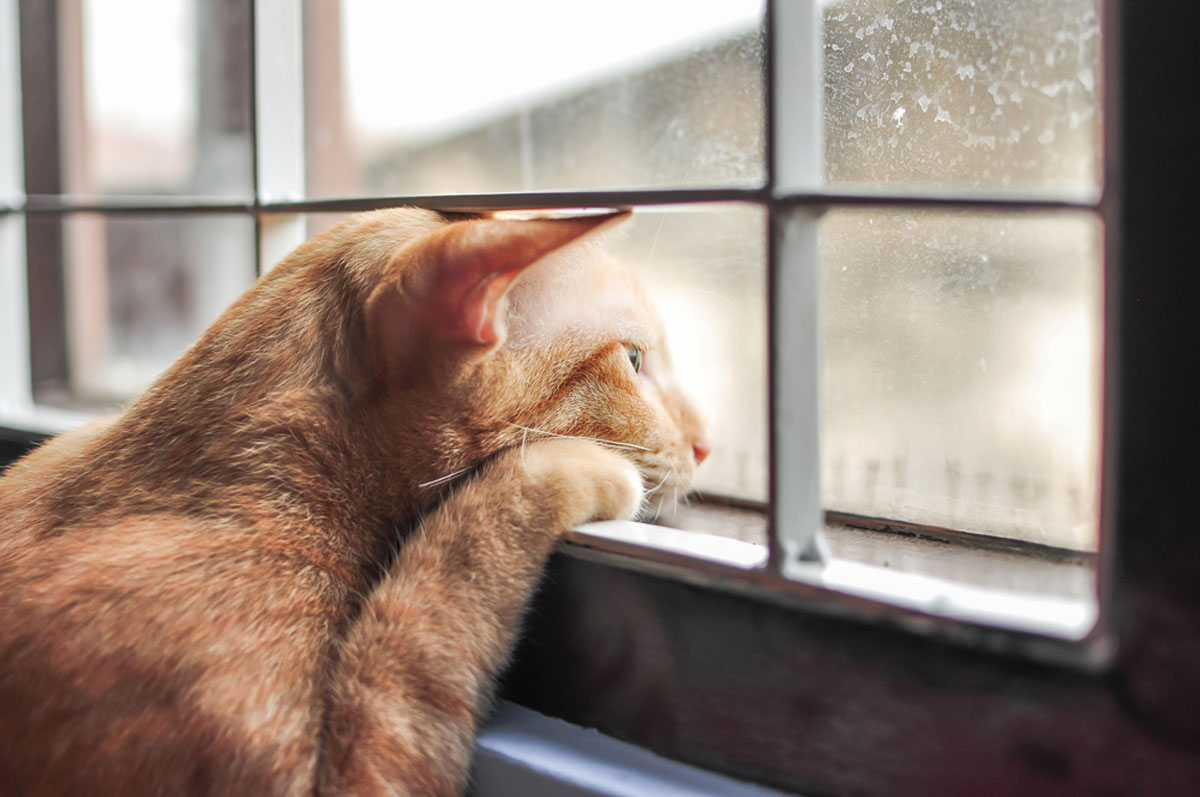
Cats evolved differently from dogs, and they do not rely on a social group in exactly the same way. That is one reason they often appear more self-sufficient.
Some cats are perfectly content spending several hours alone. They may sleep, groom, look out the window, move between favorite resting spots, and seem completely relaxed when you return.
But cats can also develop meaningful relationships with people. A familiar human can become part of a cat’s routine, territory, comfort system, and social world. The fact that your cat does not follow you everywhere does not mean your presence is unimportant.
When your dog sleeps curled into a tight ball, with their nose close to their tail, they may be trying to stay warm, comfortable, and protected. This position helps dogs conserve body heat and keep their legs, belly, and vital areas tucked in.
Some dogs choose this position when they want to feel secure. It can be especially common in colder weather, in a new environment, or when your dog is resting in a place where they still want to feel a little protected.
This does not mean your dog is scared. Many dogs simply find this position cozy and familiar.
Pro Tip: If your dog often curls up tightly during colder days, make sure they have a soft bed, a warm blanket, or a quiet corner where they can rest comfortably.
The Side Sleeper
A dog sleeping on their side usually looks peaceful for a reason. This position often suggests that your dog feels relaxed and comfortable in their environment.
When dogs sleep on their side, their belly and legs are more exposed, which means they are not in a defensive position. Many dogs choose this pose when they feel safe enough to fully rest.
You may also notice your dog twitching, moving their paws, or making soft sounds while sleeping on their side. This can happen during deeper sleep, when dogs may dream about running, playing, or exploring.
Pro Tip: If your dog regularly sleeps on their side near you, take it as a quiet sign of trust. They feel comfortable enough to let their body fully relax.
The Belly-Down “Superman” Pose
Some dogs sleep stretched out on their belly, with their front legs forward and back legs behind them. This is often called the “Superman” position because it looks like they are ready to fly across the room.
This position can be common in energetic dogs and puppies. It allows them to rest while still being ready to jump up quickly if something interesting happens.
A dog in this position may be tired, but not completely switched off. They may be resting between play sessions, cooling down on the floor, or waiting for the next exciting sound, toy, or snack opportunity.
Pro Tip: If your dog loves this position after playtime, give them a calm place to cool down and rest before starting another active game.
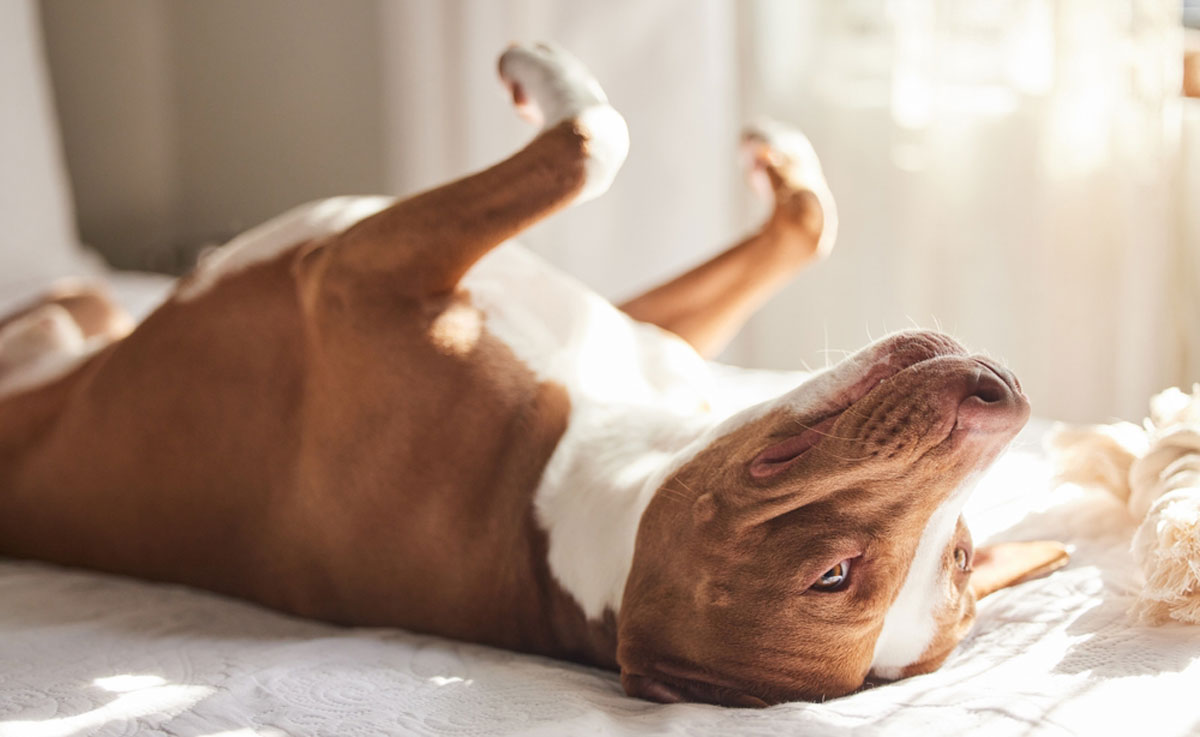
Sleeping on the Back With Paws in the Air
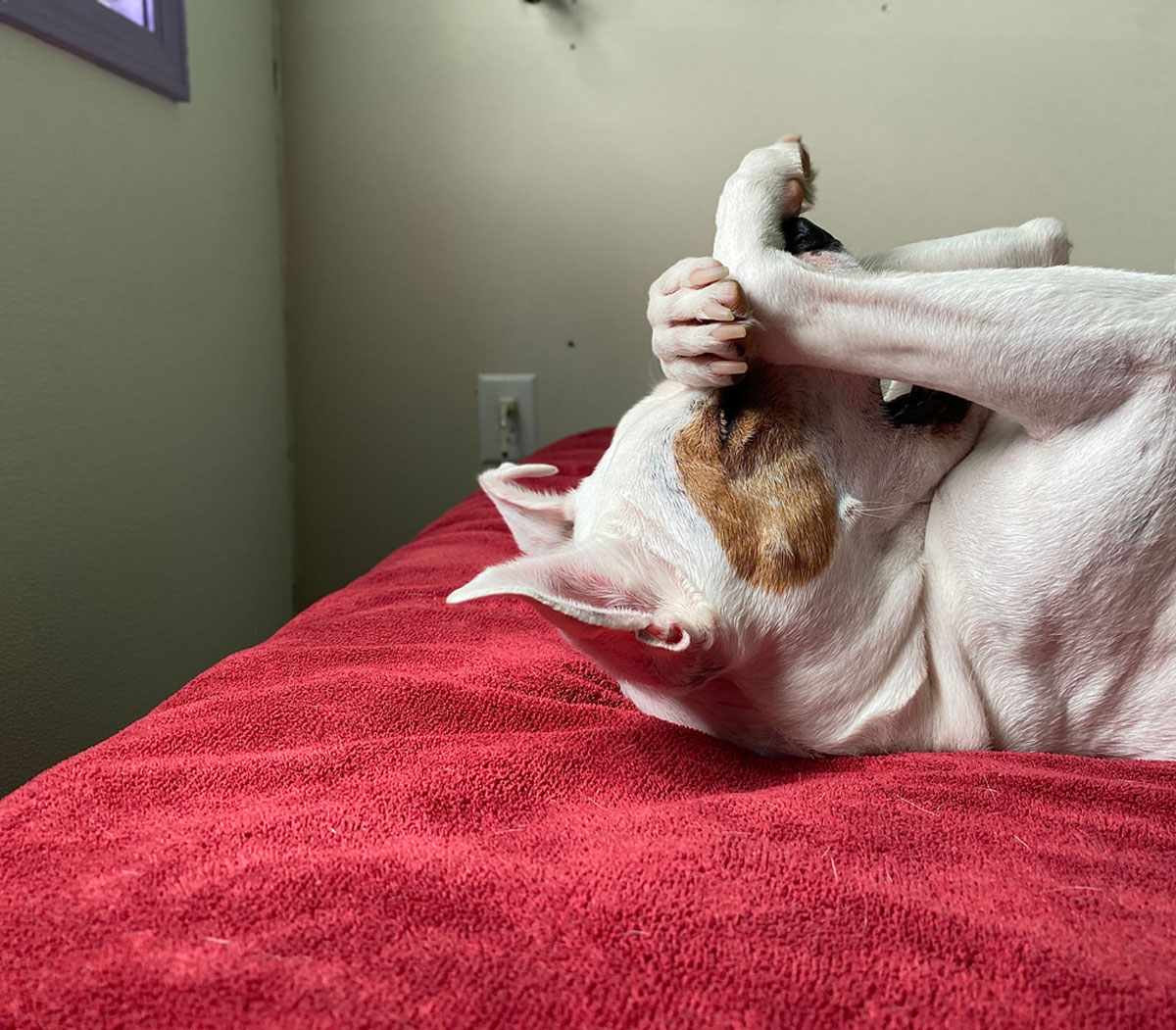
Few sleeping positions look as funny as a dog lying on their back with all four paws in the air. It may look silly, but it can actually be a sign that your dog feels very comfortable.
The belly is one of the most vulnerable parts of a dog’s body. When a dog sleeps with their belly exposed, it may suggest they feel safe, relaxed, and confident in their surroundings.
This position can also help dogs cool down. Because the belly has less fur than other parts of the body, exposing it can make resting more comfortable when the room is warm.
Pro Tip: If your dog sleeps on their back, let them enjoy it. Not every exposed belly is an invitation for belly rubs, especially if your dog is deeply asleep.
📖 READ: Body Language of Dogs and Cats: What Are Your Pets Actually Telling You?
The Leaning Sleeper
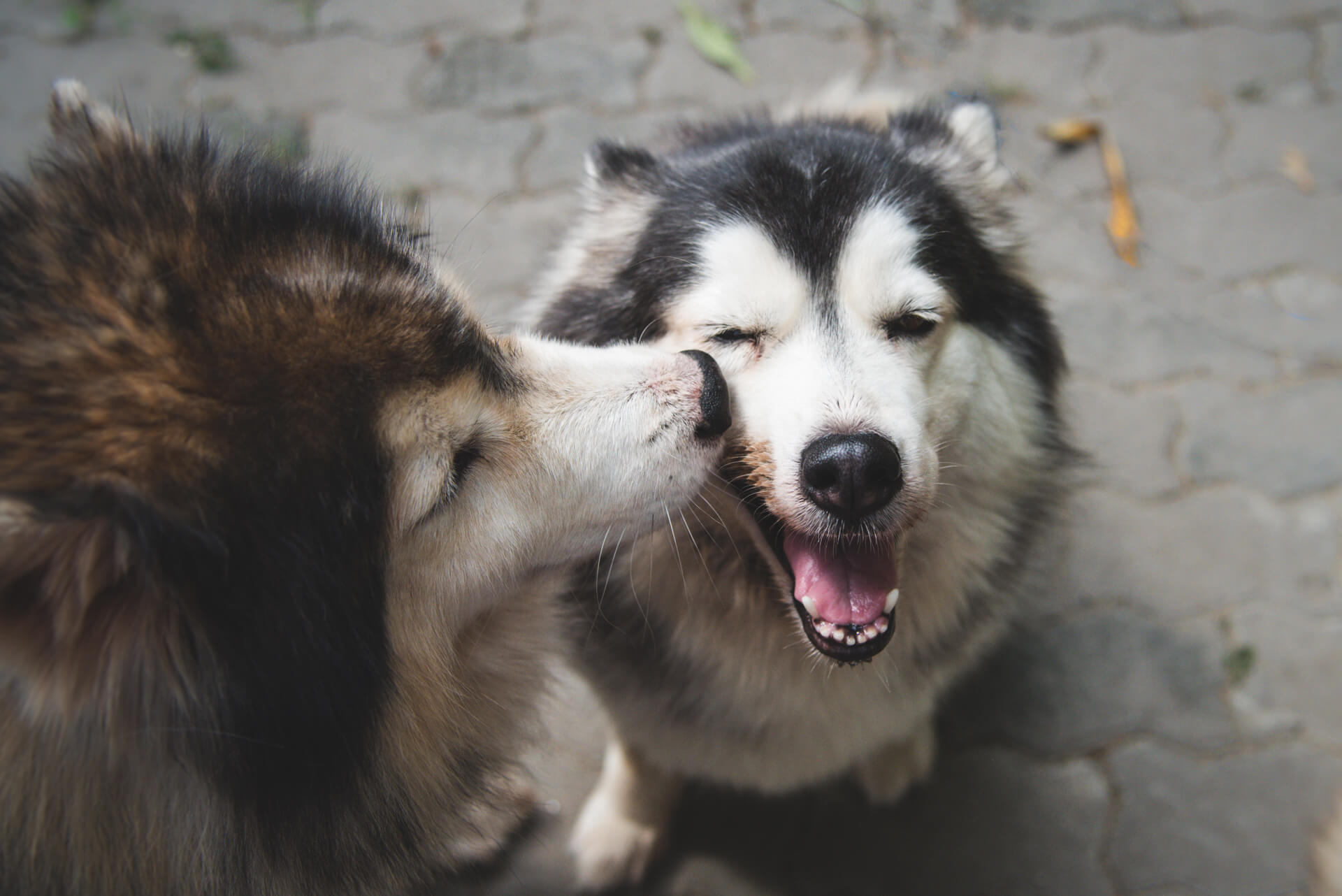
If your dog likes to sleep pressed against your leg, back, arm, or even another pet, they may be looking for closeness and comfort.
Dogs are social animals, and many of them feel calmer when they are near someone they trust. Leaning while sleeping can be a sign of affection, security, and the desire to stay connected.
For some dogs, physical contact is one of the strongest ways to relax. They may not need constant attention while awake, but when they sleep, they prefer to feel that their favorite person is nearby.
Pro Tip: If your dog sleeps leaning against you, enjoy the quiet trust behind the habit. If you need to move, do it gently so they do not wake up startled.
The Burrower Under Blankets
Some dogs love sleeping under blankets, pillows, laundry piles, or anything soft enough to turn into a tiny den. This position often suggests that your dog is looking for warmth, comfort, or a sense of security.
Burrowing can feel soothing because it creates a protected space. Some breeds may be especially fond of this habit, but any dog can enjoy the feeling of being tucked in.
This can be perfectly normal, as long as your dog can breathe easily, move freely, and come out whenever they want.
Pro Tip: If your dog loves blankets, choose breathable, lightweight materials and check that they are not overheating, especially during warmer days.
📖 READ: Vacation with Your Pet – What to Pack and How to Prepare
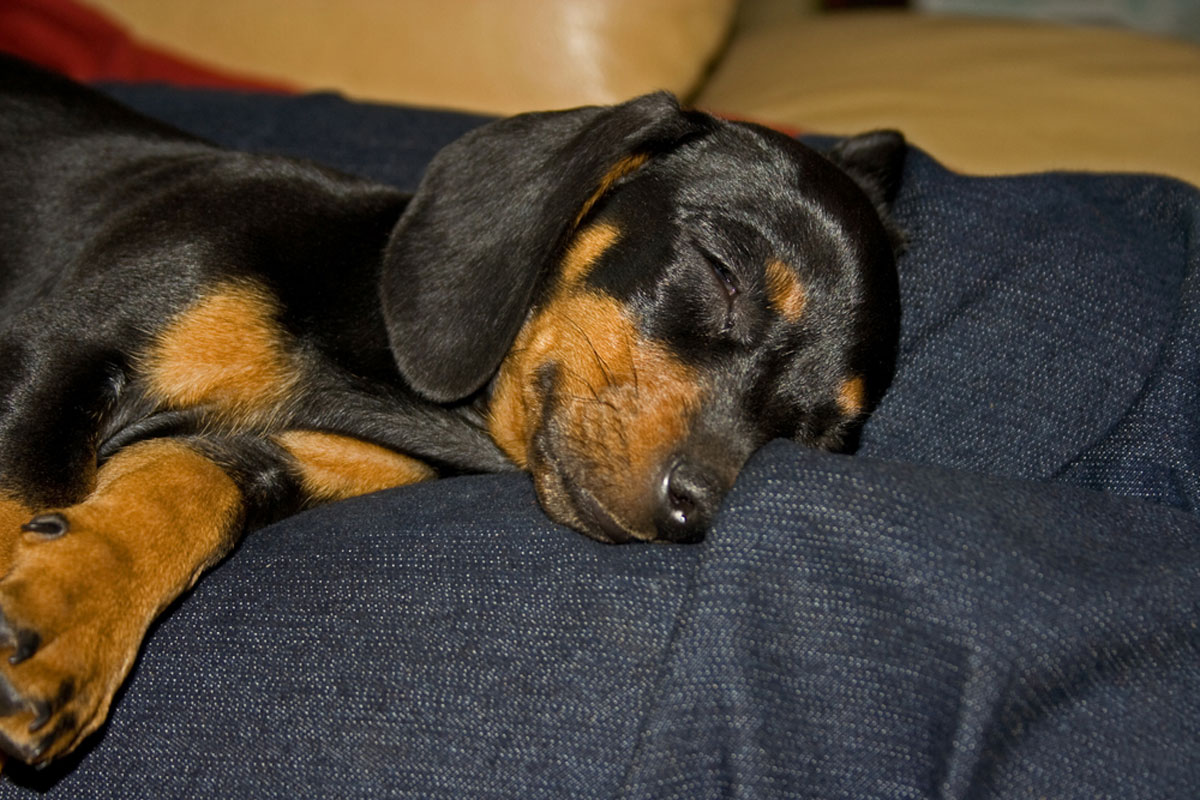
The Head-on-Paws Rest
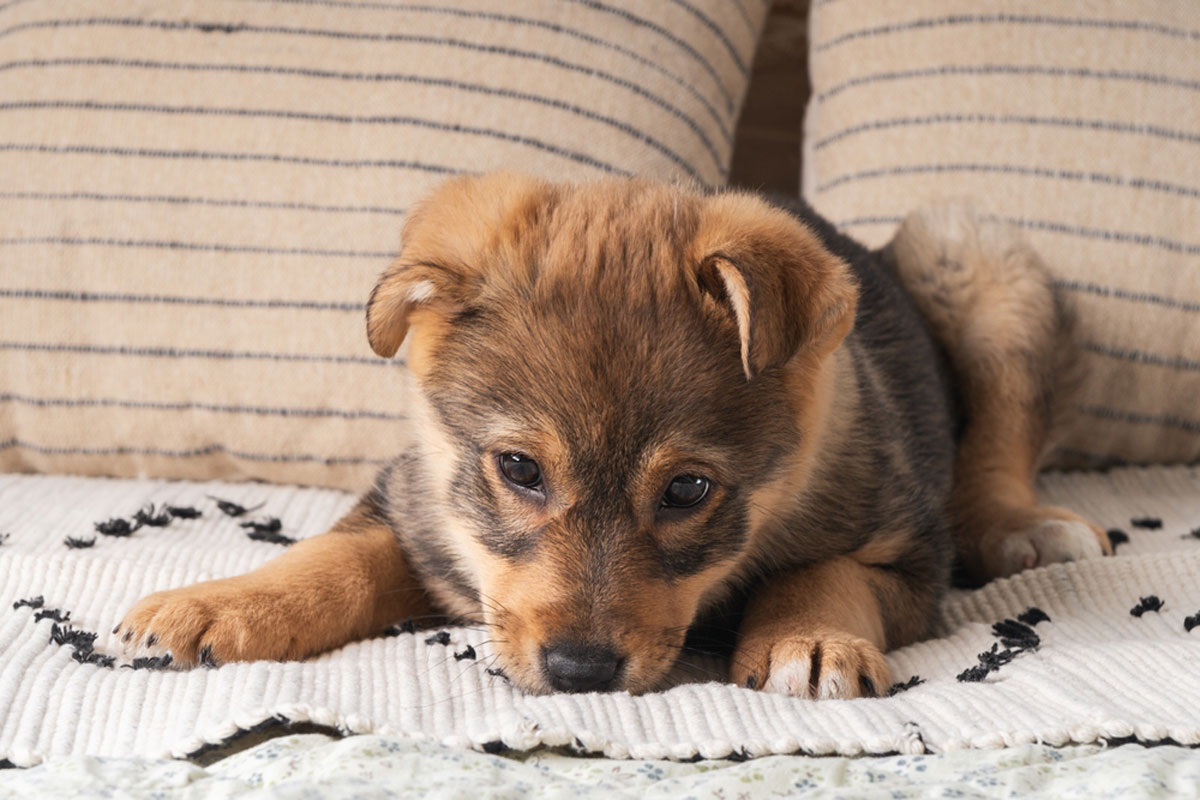
When your dog lies down with their head resting on their paws, they may be relaxing while still staying somewhat alert. This position often looks calm, but your dog may not be in deep sleep yet.
Dogs may choose this pose when they are resting in the same room as you, watching the household, or waiting to see what happens next. They may look sleepy, but one familiar sound — keys, food packaging, or the word “walk” — can bring them back to life instantly.
This is a classic “I am resting, but I am available” position.
Pro Tip: If your dog often rests like this, give them a predictable routine. Dogs feel more relaxed when they know when to expect food, walks, play, and quiet time.
Changing Positions During the Night
Some dogs stay in one favorite sleeping position. Others move constantly, switching from curled up to stretched out, from the bed to the floor, and from your side of the sofa to the coolest spot in the room.
Changing positions can be completely normal. Dogs may move because of temperature, dreams, noise, light, comfort, or the need to stretch. Just like people, they may adjust their body until they find the perfect position.
What matters most is your dog’s usual pattern. If your dog suddenly cannot get comfortable, keeps getting up, pants heavily, cries, limps, or seems restless for several nights, it may be worth speaking with a veterinarian.
Pro Tip: Pay attention to changes. A new sleeping position is usually nothing to worry about, but sudden sleep changes paired with pain, breathing problems, or unusual behavior should not be ignored.
Conclusion: Your Dog’s Sleep Tells a Small Story
Dogs are full of personality, even when they are asleep. A curled-up dog may be looking for warmth. A side sleeper may feel peaceful and safe. A dog on their back may be completely relaxed. A dog pressed against you may simply want to stay close.
Sleeping positions do not explain everything, but they can help you understand your dog a little better. When you notice how your dog rests, where they choose to sleep, and how their habits change over time, you learn more about what makes them feel secure, happy, and comfortable.
And once you start noticing those small signals, even nap time becomes part of the story your dog tells every day.
Want more expert tips on dog behavior and care?
Join thousands of satisfied pet owners who trust our expert advice and training programs. With our Premium Package, you’ll get access to:
✅ Expert video tutorials on dog behavior and communication.
✅ 24/7 support from professional trainers.
✅ Practical advice for helping your dog feel calm, active, and healthy.
✅ Exclusive discounts on dog products and accessories.
Invest in your dog’s happiness today!